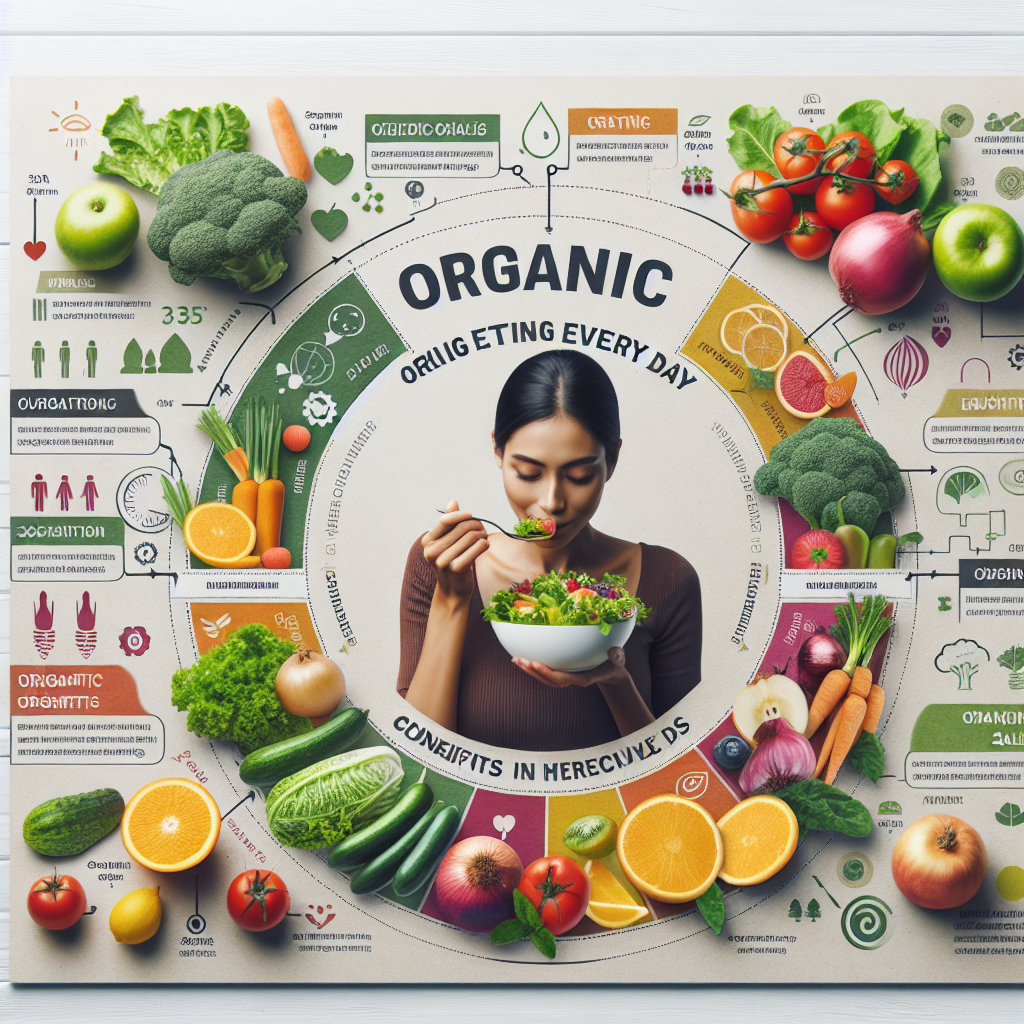
Organic eating supports balanced gut bacteria by providing high-quality nutrients and minimizing exposure to harmful pesticides and additives. Foods such as organic fruits, vegetables, and fermented products enhance gut health by promoting the growth of beneficial bacteria and improving digestion.
Prioritizing organic foods is crucial for individuals aiming to maintain gut health. Many conventional farming practices involve synthetic chemicals, which can disrupt the delicate balance of gut microbiota. By choosing organic, consumers reduce their intake of these harmful substances, which can lead to inflammation and other digestive issues. Additionally, organic foods often have a higher nutrient density, providing essential vitamins and minerals that further support gut health.
Understanding Gut Bacteria
Gut bacteria play a vital role in overall health, affecting digestion, immunity, and even mental well-being. A balanced gut microbiome consists of diverse microorganisms that work together to break down food, synthesize vitamins, and protect against pathogens. Disruption of this balance, often caused by poor diet, stress, or antibiotics, can lead to health issues such as irritable bowel syndrome (IBS), obesity, and autoimmune diseases.
==> Click Here for the best Certified Organic Product available - at a huge discount!
Maintaining a diverse microbiome requires intentional dietary choices. Organic foods, which are grown without synthetic pesticides and fertilizers, tend to offer higher levels of probiotics and prebiotics. Probiotics are beneficial bacteria found in fermented foods, while prebiotics are fibers that feed these good bacteria. Incorporating a variety of organic foods can help restore and maintain gut health, making it essential to understand the types of foods that contribute positively.
Benefits of Organic Foods for Gut Health
Organic foods provide several benefits that directly support gut health. They are free from artificial additives and preservatives, which can negatively impact gut flora. Furthermore, organic produce is often richer in antioxidants and polyphenols, compounds that promote gut health by reducing inflammation and oxidative stress.
In addition to nutritional benefits, organic farming practices promote biodiversity and soil health, which can translate into healthier food options. For example, organic fruits and vegetables often have higher levels of certain nutrients that contribute to gut health. Choosing organic can thus be a powerful step towards ensuring that your diet supports your microbiome effectively.
Key Organic Foods to Incorporate
Incorporating specific organic foods into your diet can significantly enhance gut health. Consider the following:
- Fermented Foods: Organic yogurt, kefir, sauerkraut, and kimchi are excellent sources of probiotics that help replenish beneficial gut bacteria.
- High-Fiber Fruits and Vegetables: Organic apples, bananas, and leafy greens provide prebiotics that nourish gut bacteria.
- Whole Grains: Organic oats and quinoa are beneficial for digestive health due to their high fiber content.
- Nuts and Seeds: Organic almonds and chia seeds contain healthy fats and fiber that promote gut health.
Incorporating these foods into your meals can create a balanced diet that supports your gut microbiome and overall health.
Practical Strategies for Organic Eating
Transitioning to an organic diet can be made easier with a few practical strategies. Start by gradually replacing conventional foods with organic options, focusing on those you consume most frequently. Creating a seasonal meal plan can also help you incorporate a variety of organic produce, which is often fresher and more nutrient-dense.
Additionally, consider joining a local CSA (Community Supported Agriculture) program. This allows you to receive fresh, organic produce directly from local farmers, ensuring quality and supporting the local economy. Lastly, educating yourself on the benefits of organic foods can motivate you to make healthier choices while understanding the impact of your diet on gut health.
Further Reading
Authoritative Sources
- The Role of Gut Microbiota in Health and Disease
ncbi.nlm.nih.govThis source discusses the importance of gut microbiota in various health conditions, providing insights into how diet impacts gut health
- Healthy Diet
who.intA comprehensive overview of dietary recommendations that promote health, including the benefits of organic foods
- Organic Agriculture: A Global Perspective
ers.usda.govThis publication provides insights into organic farming practices and their benefits for health and the environment
Frequently Asked Questions
What are the benefits of organic eating for gut bacteria?
Organic eating minimizes exposure to harmful chemicals and enhances nutrient intake, supporting a diverse and balanced gut microbiome.

==> Need an Energy Boost? Click Here for the best Organic Product available - at a huge discount!
How can I incorporate more organic foods into my diet?
Start by gradually replacing conventional items with organic options, focusing on high-frequency foods and seasonal produce.
Are all organic foods good for gut health?
While organic foods generally support gut health, it’s essential to choose a variety of nutrient-dense options, such as fruits, vegetables, and fermented products.
Can organic eating help with digestive issues?
Yes, organic foods can alleviate digestive issues by providing better nutrients and reducing exposure to harmful additives.
What role do fermented foods play in gut health?
Fermented foods are rich in probiotics, which help restore and maintain a healthy balance of gut bacteria.
Conclusion
Choosing organic foods is a powerful strategy for supporting balanced gut bacteria and overall health. By prioritizing nutrient-dense organic options, incorporating fermented foods, and being mindful of dietary choices, individuals can significantly improve their gut microbiome. As you transition to a more organic diet, focus on variety and quality to ensure that your gut health remains a priority.

Related Content
- 10 Effective Organic Meal Replacement Strategies for 2025
- Organic Mushrooms: Nutritional Powerhouses You Need to Try
- Using Organic Cooking Oils: Expert Tips for Maximum Benefits
- Must-Try Organic Superfoods for Your Diet
- Discover the Power of Organic Fruits and Veggies for Wellness: A Delicious Path to Vibrant Health