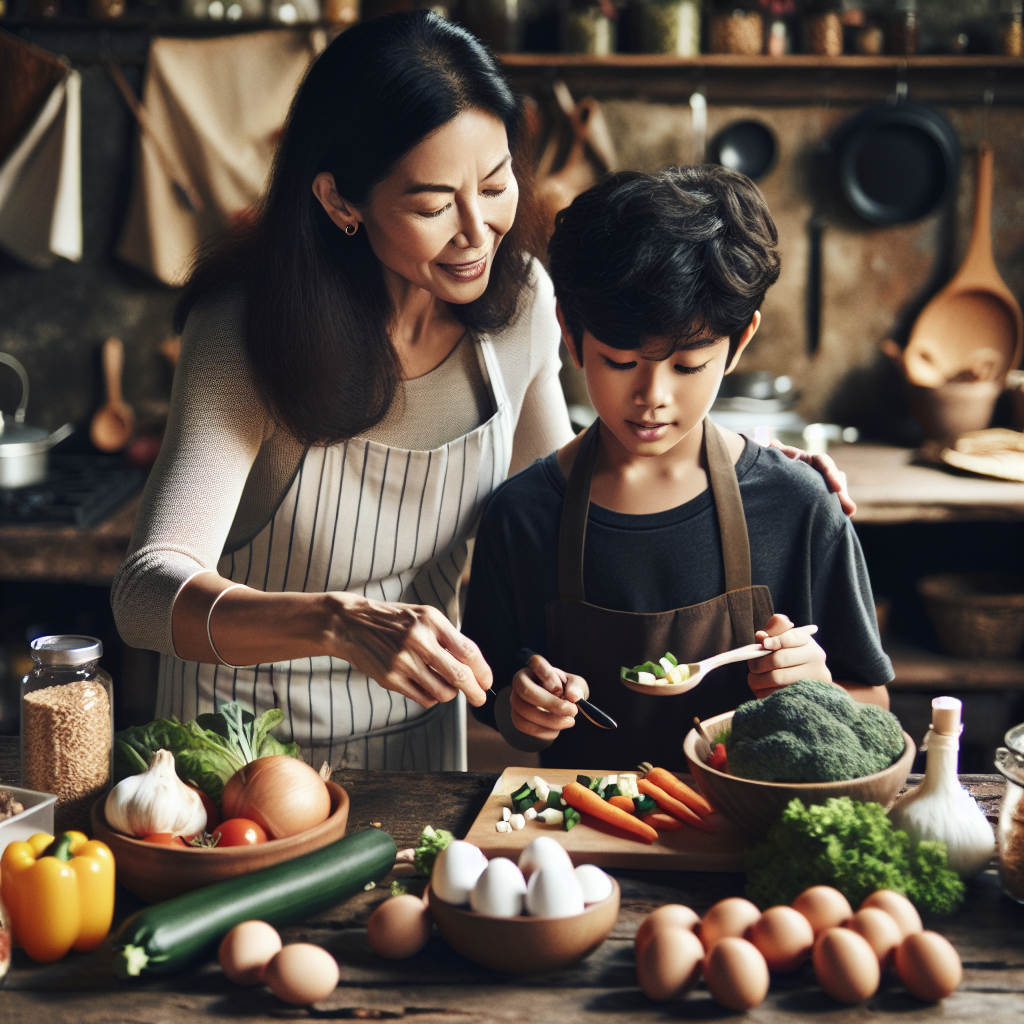
Organic eating can significantly support healthy cholesterol levels by incorporating nutrient-rich foods that lower LDL cholesterol and raise HDL cholesterol. Foods like oats, nuts, fatty fish, and a variety of fruits and vegetables contribute essential fibers, healthy fats, and antioxidants that promote heart health and improve lipid profiles.
To effectively manage cholesterol levels through organic eating, it’s crucial to prioritize whole, minimally processed foods while avoiding trans fats and excessive saturated fats often found in conventional diets. Organic foods, which are free from harmful pesticides and additives, can enhance the quality of your diet, making it easier to maintain a healthy weight and reduce cholesterol levels. Understanding the specific foods and dietary practices that contribute to heart health is essential for making informed choices.
The Role of Fiber in Cholesterol Management
Fiber plays a critical role in managing cholesterol levels, especially soluble fiber, which binds to cholesterol in the digestive system and helps eliminate it from the body. Foods rich in soluble fiber, such as oats, beans, and apples, can lower LDL cholesterol levels effectively.
==> Click Here for the best Certified Organic Product available - at a huge discount!
Incorporating fiber into your diet not only aids in cholesterol management but also promotes overall digestive health. Many people overlook the importance of fiber and may not consume enough of it daily. Aim for a variety of fiber sources, including both soluble and insoluble fibers, as they work in tandem to improve gut health and aid in weight management.
Healthy Fats: Omega-3 and Beyond
Healthy fats, particularly omega-3 fatty acids found in fatty fish like salmon and mackerel, have been shown to improve heart health and cholesterol levels. These fats help increase HDL cholesterol while lowering triglycerides, making them an essential addition to an organic diet.
When choosing fats, focus on plant-based sources such as avocados, nuts, and olive oil, which provide heart-healthy monounsaturated fats. It’s important to limit saturated fats and avoid trans fats, which can negatively impact cholesterol levels. Understanding which fats are beneficial can significantly influence your overall heart health.
Antioxidants and Their Impact on Cholesterol Levels
Antioxidants, found abundantly in organic fruits and vegetables, play a vital role in reducing oxidative stress in the body, which can contribute to cholesterol issues. Berries, leafy greens, and cruciferous vegetables are particularly rich in antioxidants.
Incorporating a colorful variety of fruits and vegetables into your meals not only enhances flavor but also provides a spectrum of nutrients that support heart health. Many individuals underestimate the power of antioxidants in their diets and may benefit from increasing their intake of these nutrient-dense foods.
Practical Tips for Incorporating Organic Foods
To effectively incorporate organic foods into your diet for better cholesterol management, start by gradually replacing processed foods with organic whole foods. Focus on meal planning to ensure you have healthy options available, making it easier to stick to your dietary goals.
Shopping at local farmers’ markets can also provide access to fresh organic produce at reasonable prices. Additionally, consider growing your own herbs and vegetables to enhance your diet while ensuring you know exactly what’s in your food. This approach not only supports your health but also supports local agriculture.
Further Reading
For those interested in deepening their understanding of how organic eating can influence cholesterol levels, consult reputable sources such as nutrition journals, government health guidelines, and books authored by registered dietitians that focus on heart health and organic nutrition.
Further Reading
Authoritative Sources
- MedlinePlus
medlineplus.govConsumer-friendly medical and health information from the U.S. National Library of Medicine.
- National Institutes of Health
nih.govResearch-based health information and links to authoritative medical resources.
- Centers for Disease Control and Prevention
cdc.govOfficial public health guidance, prevention resources, and topic-specific recommendations.
- Mayo Clinic
mayoclinic.orgTrusted clinical guidance, symptom explainers, and treatment overviews.
==> Need an Energy Boost? Click Here for the best Organic Product available - at a huge discount!
- World Health Organization
who.intGlobal health guidance, fact sheets, and evidence-based public health information.
Frequently Asked Questions
Can organic foods lower cholesterol levels?
Yes, organic foods rich in fiber, healthy fats, and antioxidants can help lower cholesterol levels and improve overall heart health.
What types of foods should I focus on for healthy cholesterol?
Focus on foods high in soluble fiber like oats and beans, healthy fats from fish and nuts, and a variety of fruits and vegetables.
Are there any specific organic foods that are best for cholesterol?
Foods such as avocados, fatty fish, nuts, and berries are particularly beneficial for managing cholesterol levels.
How much fiber should I consume to help with cholesterol?
Aim for at least 25-30 grams of fiber per day, with a focus on soluble fiber for optimal cholesterol management.
Is it necessary to avoid all fats to lower cholesterol?
No, healthy fats are essential for heart health; focus on unsaturated fats while limiting saturated and trans fats.
Conclusion
Incorporating organic foods into your diet can significantly support healthy cholesterol levels. Focus on whole foods rich in fiber, healthy fats, and antioxidants while avoiding processed options that can hinder your progress. By making informed choices and prioritizing organic ingredients, you can effectively manage your cholesterol and enhance your overall heart health. Start small by integrating more organic options into your meals and gradually shifting your dietary habits for lasting results.
Related Content
- Cooking with Confidence: Organic Ingredients
- The Ultimate Checklist for Organic Foods
- How Organic Eating Supports Healthy Aging for Seniors: Essential Foods and Nutritional Strategies
- Why Whole Food Nutrition Could Save Your Health
- The Ultimate Guide to 10 Effective healthy organic dinner ideas for 2025