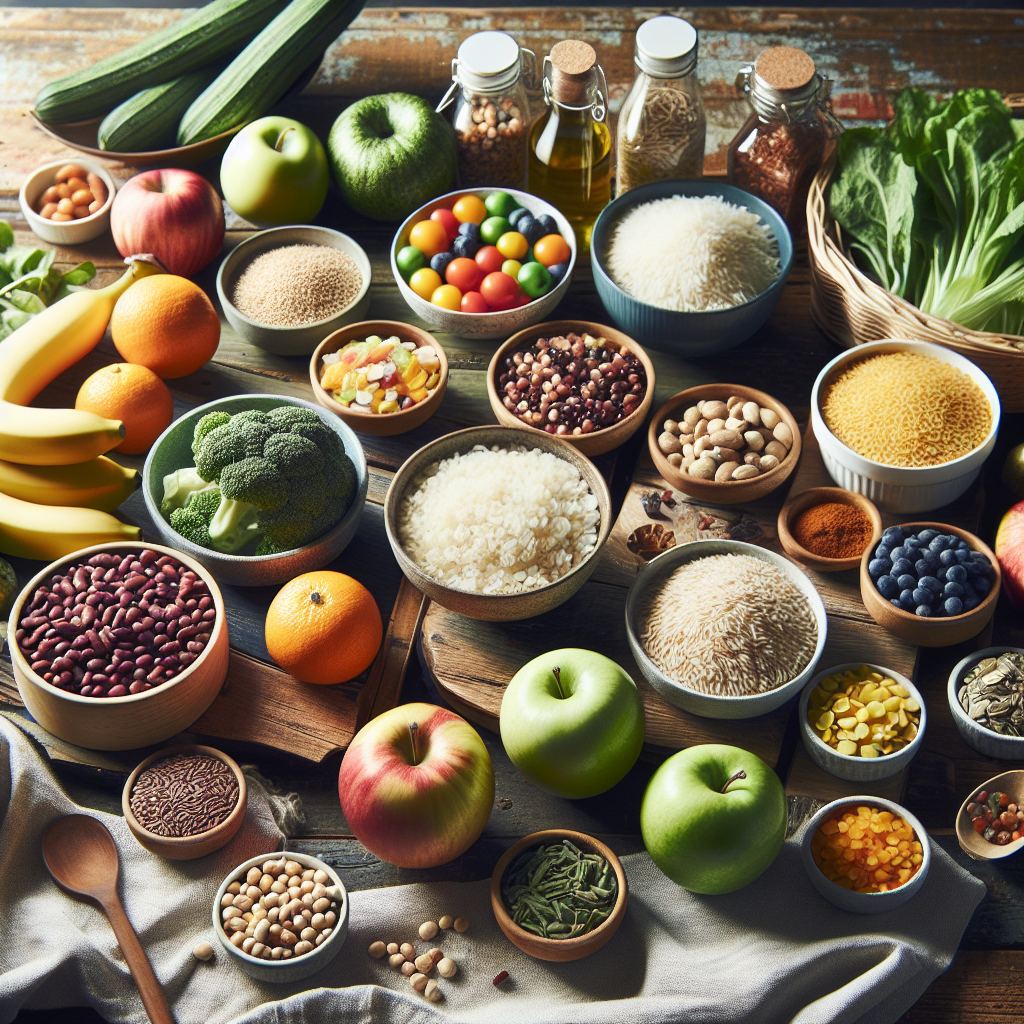
Organic eating promotes healthy digestion by providing nutrient-dense foods that support gut health, reduce inflammation, and enhance the digestive process. Key components include fiber-rich fruits and vegetables, whole grains, and fermented foods, which together foster a balanced microbiome and improve digestive efficiency.
Understanding the role of these organic foods can help individuals prioritize their dietary choices. Foods high in fiber, such as leafy greens, legumes, and whole grains, help regulate bowel movements and prevent constipation. Meanwhile, fermented foods like yogurt and kimchi introduce beneficial probiotics that support gut flora, crucial for optimal digestion. Avoiding processed food and pesticides is equally important, as these can disrupt gut health and lead to digestive issues.
The Role of Fiber in Digestion
Fiber is a critical component for healthy digestion, as it aids in regular bowel movements and prevents constipation. Organic fruits, vegetables, and whole grains are excellent sources of dietary fiber.

==> Click Here for the best Certified Organic Product available - at a huge discount!
When consumed, fiber adds bulk to the stool, making it easier to pass through the digestive tract. Additionally, soluble fiber can help regulate blood sugar levels and lower cholesterol. Aiming for a variety of fiber sources—such as oats, beans, and fresh produce—can enhance overall digestive health. However, it’s essential to gradually increase fiber intake to avoid gastrointestinal discomfort.
Benefits of Fermented Foods
Fermented foods are rich in probiotics, which are live microorganisms that can positively impact gut health. Foods like yogurt, kefir, sauerkraut, and kimchi not only provide beneficial bacteria but also enhance nutrient absorption.
Incorporating fermented foods into your diet can lead to improved digestion and a stronger immune system. They can help balance the gut microbiome, which is crucial for preventing digestive disorders. However, individuals should be mindful of added sugars and preservatives in store-bought options, opting for natural or homemade varieties when possible.
Organic vs. Conventional Foods
Choosing organic foods over conventional options has implications for digestive health. Organic produce is grown without synthetic pesticides and fertilizers, which can negatively affect gut health.
Furthermore, organic farming practices often promote healthier soil, leading to nutrient-rich crops. While organic foods may come at a higher price point, the long-term benefits for digestion and overall health can outweigh the costs. It’s crucial to weigh the benefits of organic versus conventional based on personal health goals and budget.
Challenges of Organic Eating
While organic eating has numerous benefits for digestion, there are challenges that individuals may face. Accessibility and cost can be significant barriers, as organic products are often more expensive and less available than conventional options.
Additionally, some may struggle with meal planning and preparation, especially if they are unfamiliar with organic ingredients. To overcome these challenges, consider starting with a few organic staples and gradually incorporating more as your budget allows. Meal prepping can also help streamline the process and make organic eating more manageable.
Further Reading
Authoritative Sources
- The Role of Dietary Fiber in Digestive Health
ncbi.nlm.nih.govThis article explores the impact of dietary fiber on digestive health and its mechanisms of action
- The Benefits of Fermented Foods
healthline.comAn overview of the health benefits associated with consuming fermented foods
- USDA Organic Regulations
ams.usda.govOfficial guidelines and regulations regarding organic farming practices
Frequently Asked Questions
What are the benefits of organic eating for digestion?
Organic eating supports digestion by providing nutrient-rich, fiber-dense foods and avoiding harmful pesticides that can disrupt gut health.

==> Need an Energy Boost? Click Here for the best Organic Product available - at a huge discount!
How does fiber improve digestion?
Fiber adds bulk to stools, promotes regular bowel movements, and helps prevent constipation, enhancing overall digestive health.
Are fermented foods necessary for healthy digestion?
While not strictly necessary, fermented foods provide beneficial probiotics that support gut health and improve digestion.
Can I eat conventional foods while focusing on digestion?
Yes, but prioritizing organic options can minimize exposure to pesticides and support better digestive health.
What challenges might I face when switching to organic eating?
Challenges include higher costs, limited availability, and potential difficulties in meal planning and preparation.
Conclusion
Incorporating organic eating into your lifestyle can significantly enhance digestive health through nutrient-rich foods and careful avoidance of harmful substances. Focus on integrating fiber-rich fruits, vegetables, and fermented foods into your meals while being mindful of the challenges of organic options. Start small, prioritize what works for your health and budget, and gradually increase your organic intake for the best results.