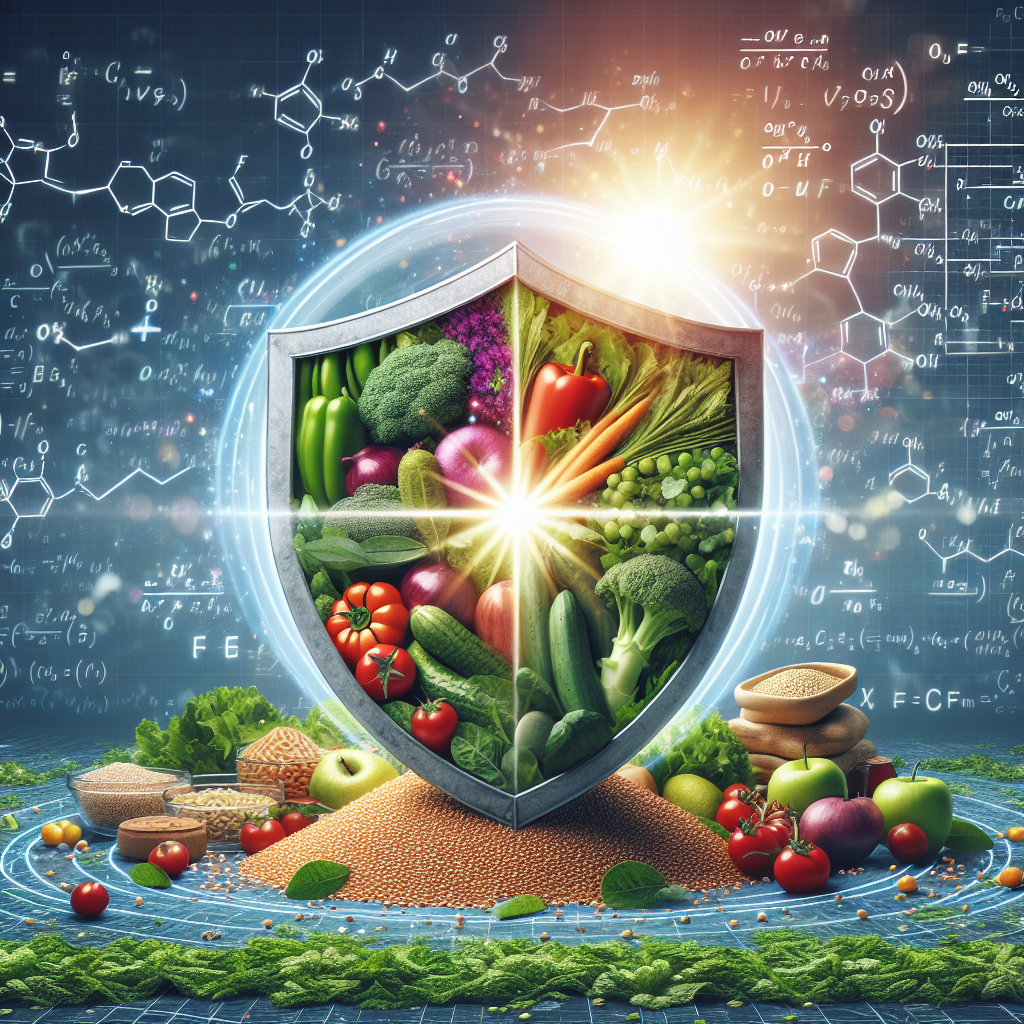
Organic foods can significantly contribute to long-term wellness goals by providing essential nutrients, antioxidants, and beneficial compounds that promote overall health. These foods are often richer in vitamins and minerals, supporting various bodily functions and reducing the risk of chronic diseases.
Choosing organic options may also help mitigate exposure to harmful pesticides and additives commonly found in conventionally grown foods. As consumers become more health-conscious, understanding the specific health benefits associated with organic foods can guide better dietary choices and enhance overall well-being.
Nutritional Benefits of Organic Foods
Organic foods are often associated with higher nutritional value compared to their conventional counterparts. Studies suggest that organic produce may contain higher levels of antioxidants, vitamins, and minerals. This enhanced nutrient profile can support immune function, improve skin health, and promote better digestion.

==> Click Here for the best Certified Organic Product available - at a huge discount!
However, the perception of organic foods being healthier can sometimes overlook the importance of overall dietary patterns. It is essential to combine organic options with a diverse range of other whole foods to maximize health benefits. Focusing solely on organic foods without considering variety and balance can lead to nutrient deficiencies.
Impact on Chronic Disease Prevention
Research indicates that consuming organic foods may be linked to a lower risk of certain chronic diseases, such as heart disease, diabetes, and certain cancers. The absence of synthetic pesticides and genetically modified organisms (GMOs) in organic foods may contribute to this protective effect.
Consumers should be mindful, however, that while organic eating can be beneficial, it is not a panacea. Other lifestyle factors, including physical activity, stress management, and overall dietary choices, significantly influence disease risk. Relying solely on organic foods without addressing these aspects can lead to missed opportunities for improving health outcomes.
Environmental Considerations and Health
Choosing organic foods not only benefits individual health but also has positive implications for environmental sustainability. Organic farming practices typically promote biodiversity, reduce pollution, and conserve water. These practices can lead to healthier ecosystems, which in turn contribute to public health.
However, consumers should consider the trade-offs associated with organic farming, such as higher costs and potential accessibility issues. Making informed choices about organic foods can help balance personal health goals with environmental responsibility.
Further Reading
Authoritative Sources
- MedlinePlus
medlineplus.govConsumer-friendly medical and health information from the U.S. National Library of Medicine.
- National Institutes of Health
nih.govResearch-based health information and links to authoritative medical resources.
- Centers for Disease Control and Prevention
cdc.govOfficial public health guidance, prevention resources, and topic-specific recommendations.
- Mayo Clinic
mayoclinic.orgTrusted clinical guidance, symptom explainers, and treatment overviews.
- World Health Organization
who.intGlobal health guidance, fact sheets, and evidence-based public health information.
Frequently Asked Questions
Are organic foods more nutritious than conventional foods?
Organic foods may have higher levels of certain nutrients and antioxidants, but the overall health benefits depend on a balanced diet.

==> Need an Energy Boost? Click Here for the best Organic Product available - at a huge discount!
Do organic foods help prevent chronic diseases?
Some studies suggest a link between organic food consumption and reduced risks of chronic diseases, but lifestyle factors also play a crucial role.
Is organic food always better for the environment?
While organic farming practices are generally more sustainable, the environmental impact can vary based on farming methods and local conditions.
How can I incorporate more organic foods into my diet?
Start by gradually replacing conventional produce and meats with organic options, focusing on seasonal and locally sourced items.
Are organic foods worth the extra cost?
The value of organic foods can vary based on individual health goals, environmental concerns, and budget, making personal assessment important.
Conclusion
Incorporating organic foods into your diet can support long-term wellness goals by enhancing nutrient intake and potentially reducing chronic disease risk. However, it is essential to maintain a balanced diet and consider environmental impacts. As you make dietary choices, prioritize a variety of whole foods alongside organic options to achieve optimal health outcomes.
Related Content
- The Ultimate Guide to Organic Daily Nutrition: 7 Effective Tips for 2025
- What You Should Know Before You Start Eating More Organic Foods
- The Impact of Organic Farming on Biodiversity
- Why Organic Leafy Greens Are Critical for Detoxification
- The Ultimate Guide to Healthy Organic Nutrition in 2025: 7 Powerful Tips