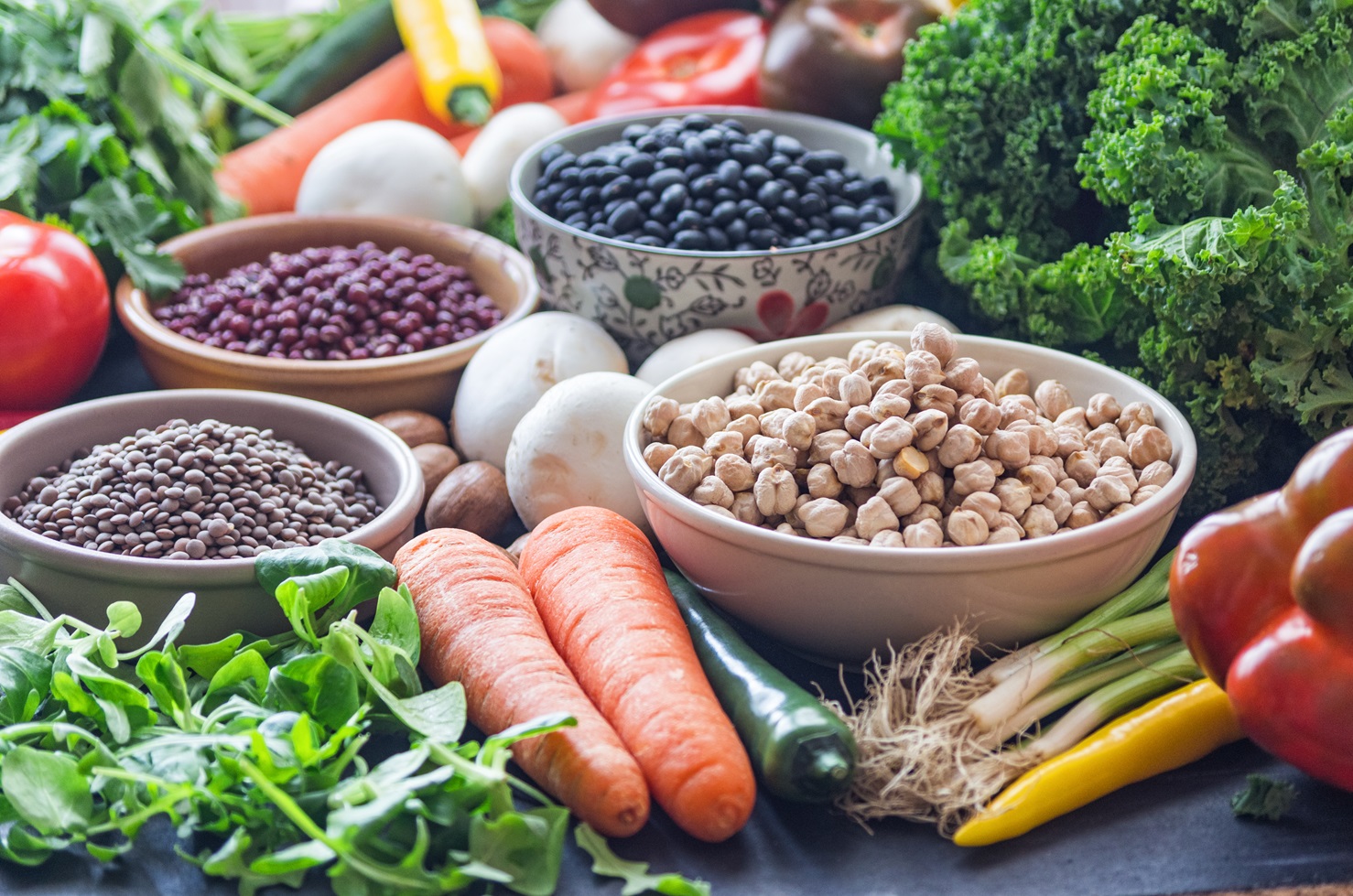
Organic nutrition plays a crucial role in maintaining healthy blood sugar levels after 40 by providing nutrient-dense foods that stabilize glucose, reduce insulin resistance, and support overall metabolic health.
As individuals age, their bodies may become less efficient at regulating blood sugar, leading to higher risks of insulin resistance and type 2 diabetes. Organic foods, which are free from pesticides and artificial additives, often contain higher levels of vitamins, minerals, and antioxidants that contribute positively to metabolic functions. Prioritizing organic options not only enhances nutritional quality but also minimizes exposure to harmful chemicals that could exacerbate blood sugar issues.
The Importance of Organic Foods for Blood Sugar Control
Organic foods are essential for blood sugar control due to their higher nutritional value and lack of harmful additives. Studies show that organic produce can contain more antioxidants and phytochemicals, which help reduce oxidative stress and inflammation, key factors in insulin resistance. Consuming organic fruits and vegetables can lead to improved metabolic health, making it easier to maintain stable blood sugar levels.

==> Click Here for the best Certified Organic Product available - at a huge discount!
Additionally, organic foods often come from sustainable farming practices that promote soil health and biodiversity, contributing to more nutrient-rich produce. This can enhance the body’s ability to process sugars effectively, making the transition to organic eating a valuable choice for those over 40. Prioritizing organic options can also reduce the intake of harmful substances that may interfere with blood sugar regulation.
Key Nutrients in Organic Nutrition
Several nutrients found in organic foods are particularly beneficial for maintaining healthy blood sugar levels. Fiber is one of the most important, as it helps slow down the absorption of sugar into the bloodstream, preventing spikes in glucose levels. Foods rich in fiber include whole grains, legumes, fruits, and vegetables, all of which are commonly available in organic forms.
Moreover, healthy fats, such as those found in avocados, nuts, and seeds, can improve insulin sensitivity. These fats help to regulate blood sugar levels and provide essential fatty acids that support overall health. Incorporating a variety of these nutrient-dense foods into daily meals can create a balanced diet that effectively manages blood sugar.
Practical Strategies for Incorporating Organic Foods
To effectively manage blood sugar levels, individuals over 40 should focus on practical strategies for including organic foods in their diets. Start by gradually replacing conventional produce with organic options, especially for fruits and vegetables that are known to have higher pesticide residues. Prioritizing organic grains such as quinoa and brown rice can also enhance nutritional intake.
Meal planning is another effective strategy. Preparing meals in advance using organic ingredients can help avoid the temptation of processed foods that may spike blood sugar. Additionally, sourcing organic foods from local farmers’ markets can provide fresher options while supporting local agriculture.
Common Pitfalls to Avoid
While adopting an organic diet can be beneficial, there are common pitfalls that individuals should avoid. One major mistake is assuming that all organic products are healthy. Many processed organic foods still contain high levels of sugars and unhealthy fats that can negatively impact blood sugar levels. Always read labels and focus on whole foods.
Another pitfall is neglecting portion control. Even healthy organic foods can contribute to weight gain if consumed in excess, which can lead to insulin resistance. It’s essential to maintain a balanced diet and consider portion sizes to ensure effective blood sugar management.
Further Reading
Authoritative Sources
- The Role of Organic Foods in Diabetes Management
ncbi.nlm.nih.govThis resource offers insights into how organic foods can aid in diabetes management and improve overall health
- Diabetes Basics
cdc.govA comprehensive overview of diabetes, including management strategies and dietary considerations
- Diabetes Fact Sheet
who.intFact sheets on diabetes, covering risk factors and prevention strategies
- Nutrition for Diabetes
eatright.orgNutrition guidelines for managing diabetes through food choices
Frequently Asked Questions
How does organic nutrition affect blood sugar levels?
Organic nutrition can stabilize blood sugar levels by providing nutrient-dense foods that reduce insulin resistance and enhance metabolic health.

==> Need an Energy Boost? Click Here for the best Organic Product available - at a huge discount!
What are the best organic foods for blood sugar control?
Foods high in fiber, such as whole grains, legumes, and vegetables, as well as healthy fats found in nuts and seeds, are excellent for blood sugar control.
Can organic foods help prevent diabetes?
Yes, incorporating organic foods into your diet can reduce the risk of developing diabetes by improving insulin sensitivity and reducing inflammation.
Are all organic foods healthy?
No, not all organic foods are healthy. Processed organic foods can still contain high levels of sugars and unhealthy fats, so it’s important to focus on whole foods.
How can I start incorporating organic foods into my diet?
Begin by gradually replacing conventional produce with organic options and planning meals using organic ingredients to avoid processed foods.
Conclusion
Incorporating organic nutrition into your diet after 40 is a strategic approach to managing blood sugar levels effectively. By focusing on nutrient-dense organic foods, you can enhance metabolic health and reduce the risk of insulin resistance and diabetes. Prioritize whole foods, remain mindful of portion sizes, and avoid processed organic options to ensure optimal health outcomes. Making these dietary adjustments today can lead to better health and well-being in the long run.