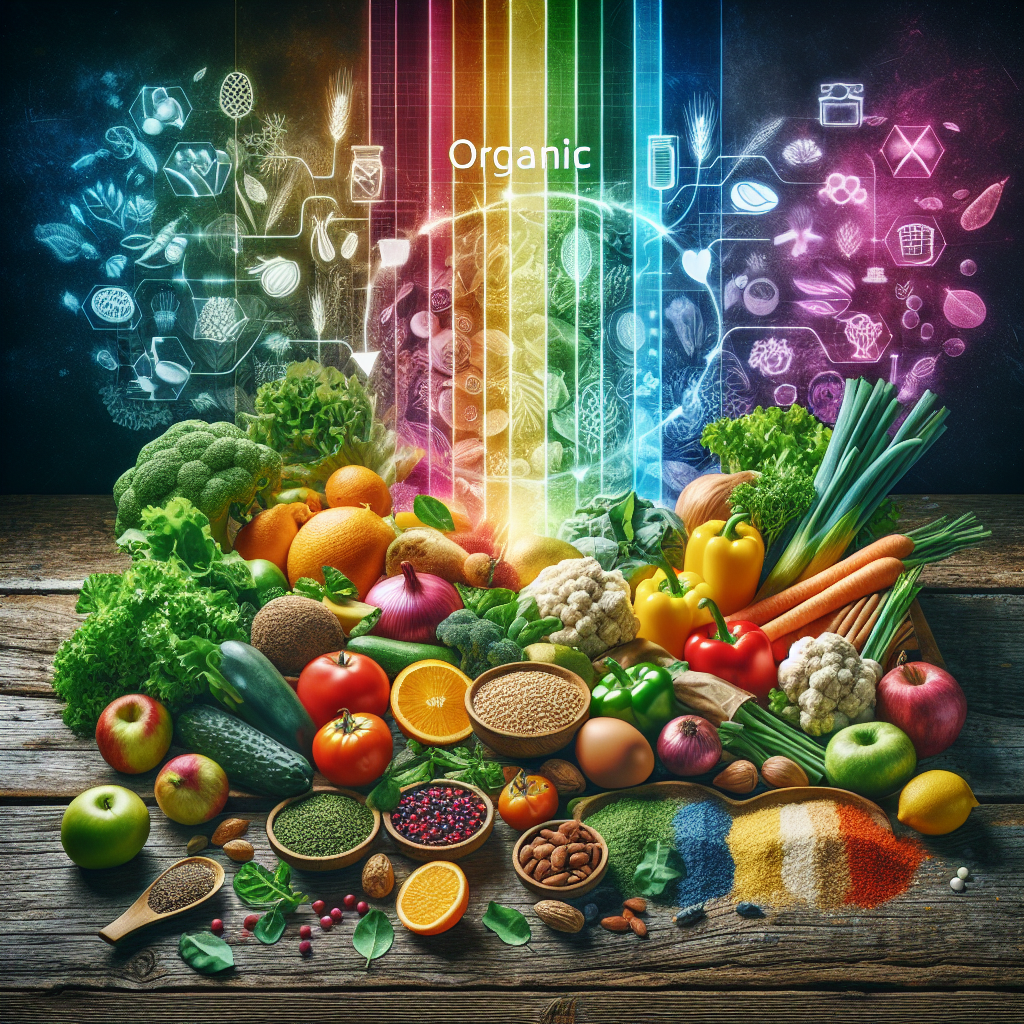
Organic nutrition plays a crucial role in supporting healthy metabolism after 50 by providing essential nutrients that enhance metabolic functions. This includes a focus on whole foods rich in fiber, antioxidants, and healthy fats, which collectively help maintain energy levels, support weight management, and promote overall health.
As metabolism naturally slows with age, particularly after 50, it becomes increasingly important to prioritize nutrient-dense foods. Organic options often contain fewer harmful chemicals and higher nutrient levels, which can positively impact metabolic rates. Incorporating a variety of organic fruits, vegetables, whole grains, and lean proteins can help balance blood sugar levels, reduce inflammation, and support hormonal health, all vital for maintaining a healthy metabolism.
The Role of Organic Foods in Metabolism
Organic foods are essential for a healthy metabolism as they typically have higher nutrient density and lower levels of harmful chemicals. This nutrient density contributes to better metabolic function, particularly in older adults. Organic produce, for instance, often contains more antioxidants and vitamins, which can help counteract oxidative stress that slows metabolism.

==> Click Here for the best Certified Organic Product available - at a huge discount!
Moreover, organic foods are less likely to contain preservatives and artificial additives that can disrupt metabolic processes. By choosing organic, individuals not only prioritize their health but also support sustainable farming practices. This choice can lead to better long-term health outcomes, especially when combined with a balanced diet and regular physical activity.
Key Nutrients for Metabolic Health
Several key nutrients are crucial for maintaining a healthy metabolism, especially for those over 50. These include protein, healthy fats, fiber, and various vitamins and minerals. Protein, found abundantly in organic meats, legumes, and dairy, is essential for muscle maintenance and growth, which in turn supports metabolic rates.
Healthy fats, such as those from avocados, nuts, and olive oil, play a significant role in hormone regulation, which is critical as hormonal changes occur with age. Fiber, found in fruits, vegetables, and whole grains, aids in digestion and helps regulate blood sugar levels, preventing spikes that can hinder metabolic health.
Examples of Beneficial Organic Foods
Incorporating specific organic foods can greatly enhance metabolic health. For instance, leafy greens like kale and spinach are rich in vitamins and minerals that support metabolic functions. Berries, such as blueberries and strawberries, are high in antioxidants that help reduce inflammation.
Other beneficial options include quinoa and brown rice for complex carbohydrates, organic chicken or fish for lean protein, and nuts for healthy fats. These foods not only provide essential nutrients but also keep you satiated longer, helping to manage weight effectively.
- Leafy greens: High in vitamins and low in calories.
- Berries: Rich in antioxidants and fiber.
- Whole grains: Provide sustained energy and fiber.
- Lean proteins: Essential for muscle maintenance.
- Nuts and seeds: Healthy fats that support overall health.
Daily Habits to Enhance Metabolism
In addition to a nutrient-rich diet, certain daily habits can significantly enhance metabolism. Regular physical activity, particularly strength training, helps build muscle mass, which is essential for a higher resting metabolic rate. Aim for at least 150 minutes of moderate aerobic activity combined with muscle-strengthening exercises on two or more days a week.
Staying hydrated is also vital; drinking enough water can temporarily boost metabolism. Furthermore, getting adequate sleep is crucial as poor sleep can disrupt hormonal balance and lead to metabolic issues. Prioritizing these habits alongside organic nutrition can create a robust strategy for maintaining metabolic health after 50.
Further Reading
Authoritative Sources
- Nutritional Considerations for Aging Adults
ncbi.nlm.nih.govThis source provides insights into the nutritional needs of aging adults, emphasizing the importance of diet in maintaining metabolic health
- CDC Nutrition for Older Adults
cdc.govThe CDC offers guidelines and recommendations for nutrition specifically tailored for older adults
- Nutrition for Older Adults
health.harvard.eduHarvard Health discusses the key nutritional elements that support health and metabolism in older adults
- Healthy Diet Fact Sheet
who.intThe World Health Organization outlines the components of a healthy diet, including recommendations for older populations
Frequently Asked Questions
What are the benefits of organic nutrition after 50?
Organic nutrition provides higher nutrient density, fewer chemicals, and supports overall metabolic health, which is crucial as metabolism slows with age.

==> Need an Energy Boost? Click Here for the best Organic Product available - at a huge discount!
How does metabolism change after 50?
Metabolism typically slows down due to hormonal changes and loss of muscle mass, making it essential to focus on nutrient-rich foods to support metabolic function.
Which organic foods are best for metabolism?
Leafy greens, berries, whole grains, lean proteins, and healthy fats are excellent choices that support metabolic health and provide essential nutrients.
How can I boost my metabolism naturally?
Engaging in regular physical activity, staying hydrated, and getting adequate sleep can naturally enhance metabolism alongside a healthy, organic diet.
Is organic food more nutritious?
While studies show organic foods may have higher levels of certain nutrients, the overall health benefits also stem from avoiding pesticides and additives.
Conclusion
To maintain a healthy metabolism after 50, focusing on organic nutrition and incorporating specific daily habits is essential. Prioritize nutrient-dense organic foods, engage in regular physical activity, and ensure adequate hydration and sleep. By making these choices, individuals can effectively support their metabolism and overall health in their later years. Embracing these practices can lead to better energy levels, weight management, and improved quality of life.