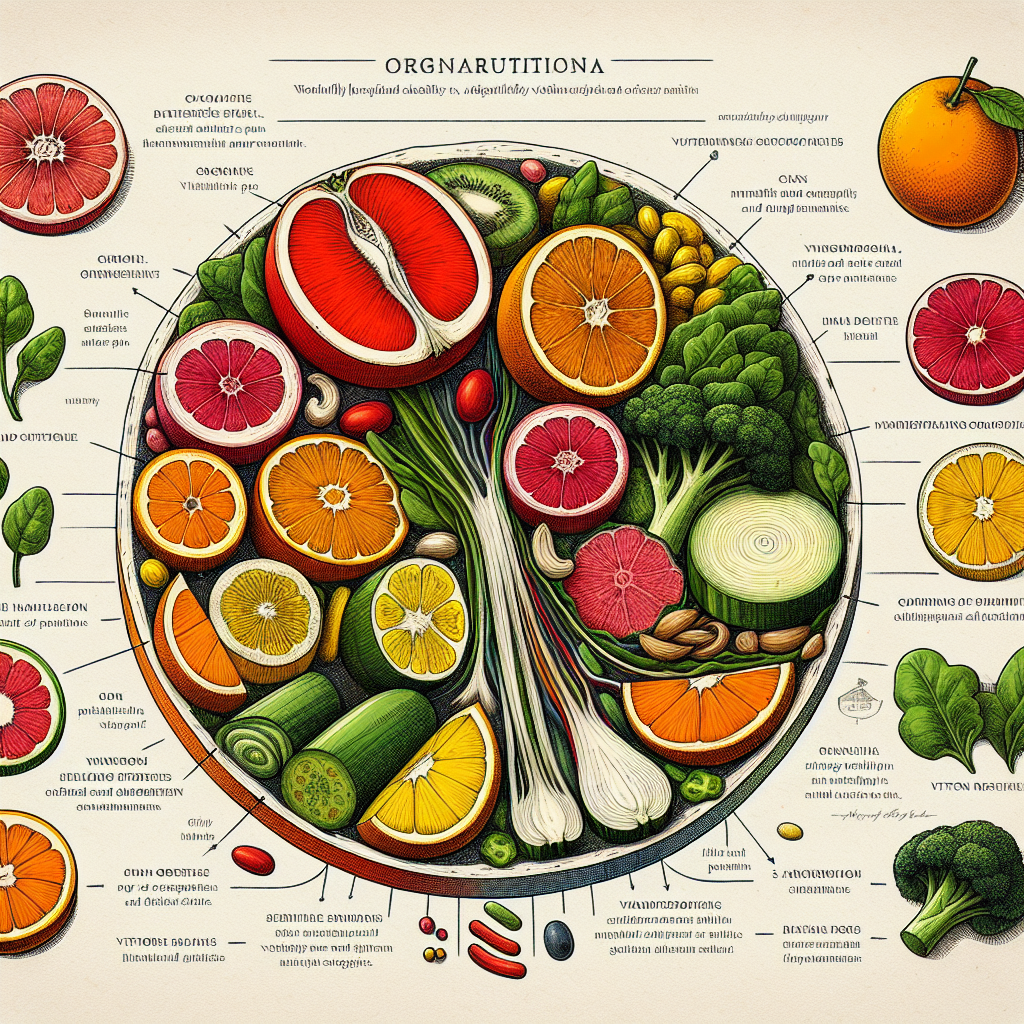
To identify truly organic foods at the store, look for produce and products labeled with the USDA Organic seal, which indicates they meet strict federal guidelines. This seal signifies that the food has been produced without synthetic fertilizers, pesticides, or genetically modified organisms.
Identifying organic foods goes beyond just reading labels. Many consumers mistakenly assume that all natural-sounding terms guarantee organic quality, such as ‘natural’ or ‘farm-fresh.’ These terms lack regulatory definitions and can often be misleading. Therefore, it’s essential to familiarize yourself with the specific labeling requirements of organic products. Prioritize shopping at reputable stores or farmers’ markets where transparency about sourcing and production practices is prioritized.
Another common mistake is overlooking the importance of local produce. While imported organic foods may meet certification standards, they often have a larger carbon footprint and can compromise freshness. Whenever possible, choose locally sourced organic options that support your community and reduce transportation-related environmental impacts.
==> Click Here for the best Certified Organic Product available - at a huge discount!
Understanding Organic Labels
Organic labels can be confusing, but they are essential for making informed choices. The USDA Organic seal is the gold standard, indicating that the product adheres to strict organic farming practices. Familiarizing yourself with different labels is crucial. For example, products labeled as ‘Made with Organic Ingredients’ contain at least 70% organic components but cannot display the USDA seal. Understanding these distinctions helps consumers avoid misleading products.
When shopping, prioritize items with the USDA Organic seal to ensure compliance with the highest standards. However, be cautious of products that claim to be ‘natural’ or ‘chemical-free,’ as these terms are not regulated and can mislead consumers. Always verify labels and seek products that provide clear information about their organic status.
Many shoppers overlook the significance of the label’s origin. Organic certification processes vary by country, and imported foods may not meet the same stringent standards as domestic products. Researching the source of your organic foods can enhance your understanding of their quality and safety.
Common Misconceptions About Organic Foods
Many consumers hold misconceptions about organic foods, often believing that any product labeled as ‘natural’ is equivalent to organic. This is a critical misunderstanding, as the term ‘natural’ is not legally defined and can appear on various products without any organic certification. Misleading marketing can lead to choices that do not align with health and environmental goals.
Additionally, some believe that organic foods are always more nutritious than conventional ones. While organic farming practices reduce exposure to harmful pesticides, nutritional content can vary based on several factors, including soil quality, crop variety, and harvest timing. It’s crucial to evaluate the overall food quality rather than base decisions solely on organic certification.
Another common pitfall is assuming that organic products are automatically safer. While organic farming reduces chemical exposure, it doesn’t guarantee freedom from all contaminants. Proper food handling and preparation remain essential regardless of the food’s organic status.
The Importance of Local Sourcing
Choosing locally sourced organic foods can significantly impact both quality and sustainability. Local organic produce tends to be fresher, often harvested at peak ripeness, which enhances flavor and nutritional value. Furthermore, supporting local farmers strengthens community ties and contributes to the local economy.
When shopping for organic foods, consider visiting farmers’ markets or local co-ops. These venues often provide direct access to fresh, seasonal organic produce and allow consumers to engage with growers about their farming practices. This transparency fosters trust and enables informed purchasing decisions.
In addition to supporting local economies, prioritizing local organic foods can reduce environmental impact. Transportation emissions are lower for locally sourced products, making them a more sustainable choice. Whenever possible, choose local options to enhance both your health and the environment.
Tips for Shopping Organic
When shopping for organic foods, start by creating a list of essential items. This helps you focus on purchasing organic versions of the most pesticide-prone foods, known as the Dirty Dozen, which include items like strawberries and spinach. Prioritizing these can maximize the benefits of organic purchases.
It’s also beneficial to familiarize yourself with seasonal produce. Buying organic fruits and vegetables that are in season not only ensures optimal freshness but can also be more cost-effective. Seasonal items often have a lower price point and taste better than out-of-season imports.
Lastly, develop relationships with store staff or local farmers. They can provide valuable insights into the best organic products available and may even offer recommendations on lesser-known organic brands. Building these connections enhances your shopping experience and ensures you make informed decisions.

==> Need an Energy Boost? Click Here for the best Organic Product available - at a huge discount!
Further Reading
Authoritative Sources
- USDA Organic Regulations
ams.usda.govThis resource outlines the standards and regulations governing organic labeling, ensuring consumers understand what organic means
- CDC Food Safety
cdc.govProvides valuable information on food safety practices, including handling and preparation of organic foods
- EWG's Dirty Dozen List
ewg.orgThis list highlights the produce items most prone to pesticide contamination, guiding consumers on when to choose organic
Frequently Asked Questions
What does the USDA Organic seal mean?
The USDA Organic seal indicates that a product meets strict federal guidelines for organic farming, including the absence of synthetic fertilizers and pesticides.
Are organic foods always healthier?
Not necessarily. While organic foods reduce exposure to harmful chemicals, nutritional content can vary based on other factors such as soil quality and crop variety.
How can I tell if a product is truly organic?
Look for the USDA Organic seal or labels indicating ‘100% Organic.’ Be cautious of terms like ‘natural,’ which are not regulated.
Why is local sourcing important?
Local sourcing ensures fresher produce, supports local economies, and reduces transportation emissions, making it a more sustainable choice.
What are the Dirty Dozen?
The Dirty Dozen is a list of produce items that have the highest pesticide residues, suggesting that consumers should prioritize purchasing these items organic.
Conclusion
Identifying truly organic foods at the store requires careful attention to labeling, an understanding of common misconceptions, and a focus on local sourcing. By prioritizing products with the USDA Organic seal and being cautious of misleading terms, consumers can make informed choices that align with their health and environmental goals. Embracing local organic options enhances not only the quality of your food but also supports community sustainability. As you shop, remember to focus on seasonal produce and build relationships with local vendors to maximize your organic shopping experience. This approach will empower you to make choices that are beneficial for both your health and the planet.
Related Content
- Why Eating Organic Foods Could Be the Answer to Better Health
- “The Pros and Cons of Organic Supplements: Is Natural Always Better?”
- The Impact of Organic Protein on Healthy Eating
- Energize Your Mind and Body: The Surprising Role of Organic Fruits for Energy and Focus
- Insights into the Organic Food Market