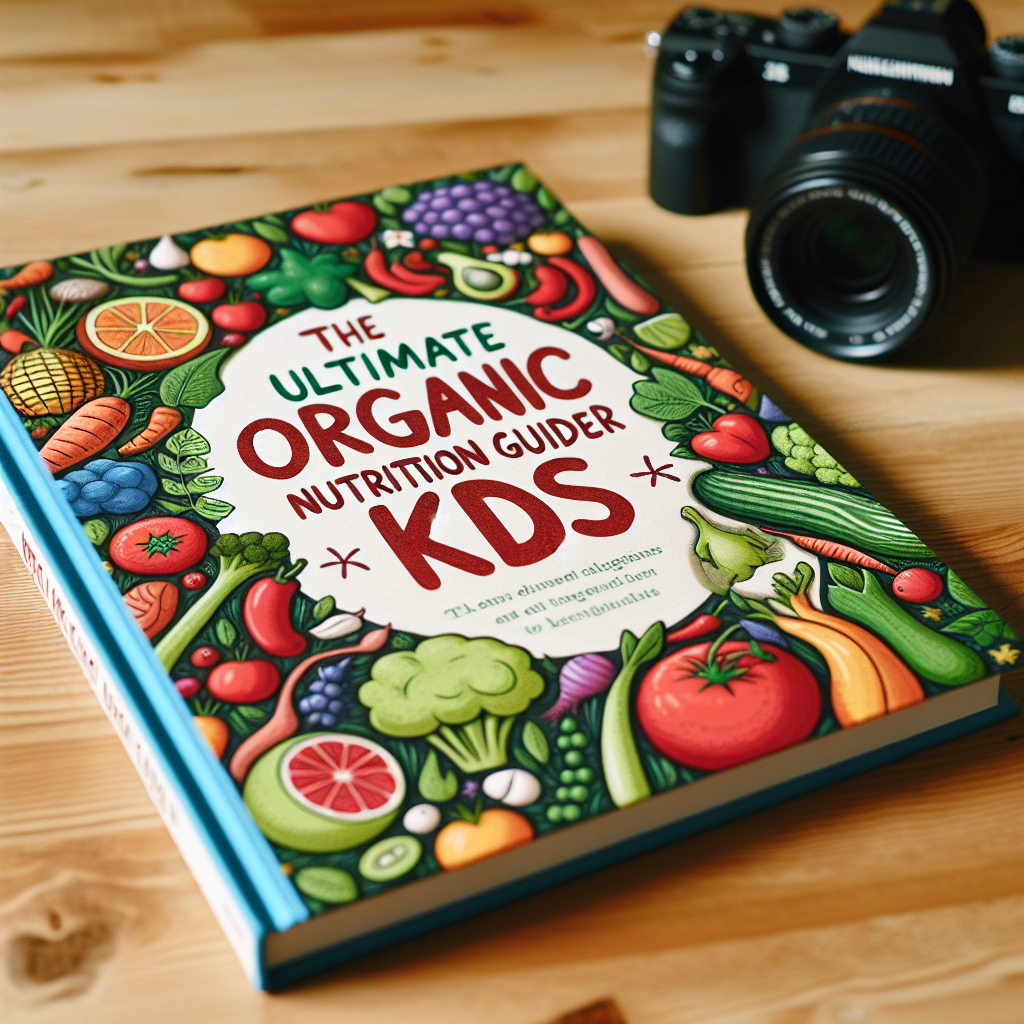
The best organic foods for clean living include a variety of fresh fruits, vegetables, whole grains, organic dairy, and lean proteins. These foods are cultivated without synthetic pesticides or fertilizers, making them healthier options for both individuals and the environment.
Choosing organic foods can significantly impact your health and the environment. Many conventional farming practices involve the use of harmful chemicals that can linger in the food supply and affect human health. By opting for organic produce, you minimize your exposure to these substances. Additionally, organic farming often emphasizes biodiversity and soil health, leading to more nutrient-dense foods. However, it’s essential to be aware of the potential higher costs and availability issues associated with organic products.
Fruits and Vegetables: The Cornerstones of Organic Eating
Fruits and vegetables are the foundation of any clean living diet, and choosing organic options enhances their benefits. Organic produce is often fresher and more flavorful, as it is usually grown without preservatives. Moreover, seasonal organic fruits and vegetables can provide essential vitamins and minerals that support overall health.
==> Click Here for the best Certified Organic Product available - at a huge discount!
When selecting organic produce, prioritize items that are known to have higher pesticide residues in their conventional forms, such as strawberries, spinach, and apples. Buying local organic produce can also reduce your carbon footprint and promote local economies. Be aware of the potential trade-offs, such as higher costs, and plan your budget accordingly.
Whole Grains: Nutritional Powerhouses
Whole grains are vital for a balanced diet, providing essential fiber, vitamins, and minerals. Organic whole grains, such as quinoa, brown rice, and oats, can be a healthier choice due to their lack of chemical additives. These grains support digestive health and can help maintain stable energy levels throughout the day.
When incorporating organic whole grains into your diet, consider their versatility in various meals. They can be used in salads, side dishes, or as a base for main courses. It’s crucial to check for certification labels to ensure you are purchasing genuinely organic products, as some brands may market themselves as “natural” without meeting organic standards.
Organic Dairy: Benefits and Choices
Organic dairy products, such as milk, cheese, and yogurt, are produced from cows that are not given antibiotics or growth hormones. These products often contain higher levels of omega-3 fatty acids and beneficial nutrients. Opting for organic dairy can lead to improved health outcomes, particularly for those with lactose intolerance or dairy sensitivities.
When selecting organic dairy, look for brands with clear labeling regarding animal welfare practices. Additionally, consider alternatives like almond or soy milk, which can also be organic. Understand the trade-offs in taste and texture that may come with these choices, and experiment to find what works best for your dietary needs.
Lean Proteins: Sourcing Sustainably
Lean proteins, such as chicken, turkey, and legumes, are essential for muscle maintenance and overall health. Organic options ensure that the animals are raised in humane conditions without harmful additives. These proteins can be part of a balanced diet, contributing to satiety and nutritional balance.
When choosing organic meats, consider sourcing from local farms that practice sustainable farming methods. This not only supports local economies but also ensures fresher options. Be mindful of the higher costs associated with organic meats and plan your meals to maximize their use without waste.
Further Reading
Authoritative Sources
- USDA Organic Regulations
ams.usda.govThis official resource provides comprehensive information on organic certification standards and practices
- What is Organic?
nal.usda.govAn informative overview of what qualifies food as organic, including benefits and regulations
- Organic Consumers Association
organicconsumers.orgThis organization focuses on promoting organic food and farming, providing resources and advocacy
- Benefits of Organic Food
eatright.orgA detailed article discussing the health benefits associated with organic foods
Frequently Asked Questions
What are the main benefits of eating organic foods?
Organic foods are generally free from synthetic pesticides and fertilizers, leading to potential health benefits and reduced environmental impact.

==> Need an Energy Boost? Click Here for the best Organic Product available - at a huge discount!
Are organic foods more nutritious than conventional foods?
Some studies suggest organic foods may have higher levels of certain nutrients, but the differences can vary based on many factors such as soil quality and farming practices.
How can I find affordable organic options?
Consider shopping at local farmers’ markets, buying in bulk, or choosing store brands that offer organic products to save money.
Is it necessary to buy organic for all food items?
No, focus on purchasing organic for items known to have higher pesticide residues, such as the Dirty Dozen list, while balancing your budget.
What should I prioritize when shopping for organic foods?
Prioritize seasonal produce, local options, and essential food groups like fruits, vegetables, and lean proteins to maximize health benefits.
Conclusion
Incorporating the best organic foods for clean living into your diet can significantly enhance your overall health and support sustainable practices. Focus on fresh fruits and vegetables, whole grains, organic dairy, and lean proteins to create a balanced diet. Remember to prioritize seasonal and local options to maximize both taste and nutritional value while being mindful of your budget. Taking these steps will not only benefit your health but also contribute positively to the environment.
Related Content
- The Ultimate Guide to 10 Effective Organic Raw Food Recipes for 2025
- Harness Organic Nutrition to Naturally Fight Inflammation and Enhance Your Wellness Journey
- The Ultimate 2025 Guide to an Organic Food Diet: 7 Powerful Tips for Better Health
- How Organic Eating Helps You Feel Better Fast: Key Foods and Practical Benefits
- The Science of Organic Antioxidants: What You Need to Know