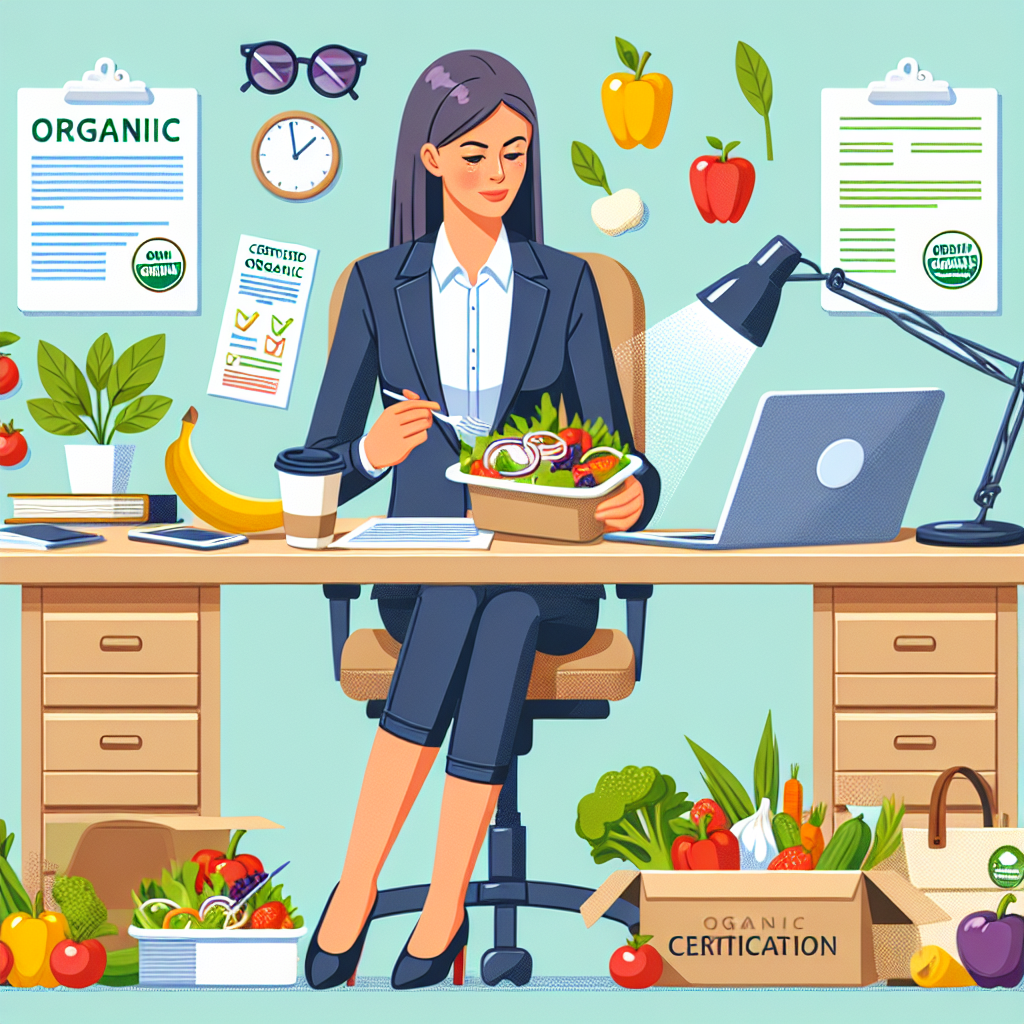
The Organic Nutrition Guide for Clean Eating focuses on selecting organic foods that minimize exposure to harmful substances while maximizing nutrient intake. Clean eating through organic nutrition supports a balanced diet, enhances energy levels, and may reduce the risk of chronic diseases.
When embarking on a clean eating journey, it is essential to recognize the distinctions between organic and conventional foods. Organic foods often contain higher levels of vitamins, minerals, and antioxidants, which contribute to better health outcomes. However, navigating the organic food landscape can be challenging due to factors like availability, cost, and misinformation about organic labeling. Making informed decisions about what to purchase and consume is crucial for achieving optimal health benefits.
Understanding Organic Labels and Certifications
Organic labels and certifications play a pivotal role in identifying authentic organic products. The USDA Organic label, for instance, ensures that the food meets stringent federal standards, which include restrictions on synthetic pesticides and genetically modified organisms (GMOs). Understanding these labels helps consumers make informed choices that align with their health goals.
==> Click Here for the best Certified Organic Product available - at a huge discount!
When shopping for organic foods, it is important to look for reputable certifications. Misleading labels, such as “natural” or “farm-fresh,” do not guarantee the same standards as certified organic products. Additionally, understanding the differences between 100% organic, organic, and made with organic ingredients can aid in making better purchasing decisions. Being diligent about reading labels can prevent common pitfalls related to misleading claims.
Key Foods for Clean Eating
Incorporating a variety of organic foods into your clean eating regimen is essential for balanced nutrition. Key food groups include fruits, vegetables, whole grains, lean proteins, and healthy fats. Prioritizing seasonal and local organic produce can enhance flavor and nutritional value while supporting local farmers.
Choosing organic fruits and vegetables helps reduce the intake of harmful pesticides and promotes better health. Similarly, opting for organic grains and legumes provides essential nutrients without the risks associated with conventional farming methods. For proteins, organic meats and dairy products ensure that animals are raised without antibiotics or growth hormones, which can impact human health. Creating a diverse shopping list of organic options can simplify meal planning and enhance dietary variety.
Practical Steps for Transitioning to Organic Nutrition
Transitioning to organic nutrition can be a gradual process that doesn’t have to be overwhelming. Start by prioritizing the purchase of organic versions of the “Dirty Dozen,” a list of produce items known to have higher pesticide residues. This approach allows for a more manageable and cost-effective transition.
In addition to focusing on high-residue fruits and vegetables, consider incorporating organic pantry staples such as grains, nuts, and seeds over time. Meal prepping with organic ingredients can also streamline the cooking process and reduce food waste. Gradually integrating organic options into your diet allows you to adapt to new flavors and cooking methods while maintaining a budget.
Common Mistakes to Avoid in Clean Eating
Clean eating is often misinterpreted, leading to several common mistakes that can hinder progress. One prevalent mistake is assuming that all organic foods are inherently healthy; processed organic snacks and beverages can still contain high levels of sugars and unhealthy fats.
Another mistake is neglecting to read ingredient labels. Many consumers may overlook the importance of understanding what goes into their food, even when it is labeled organic. Focusing solely on the organic label without assessing the overall nutritional value can lead to poor dietary choices. Staying informed and mindful about food choices is essential for truly reaping the benefits of clean eating.
Further Reading
For those seeking additional resources on organic nutrition and clean eating, consider exploring reputable sources such as the USDA’s organic certification guidelines or the Environmental Working Group’s recommendations on pesticide reduction. These resources provide valuable insights into making informed dietary choices.
Further Reading
Authoritative Sources
- Ready.gov
ready.govOfficial U.S. preparedness guidance, checklists, and planning resources for households and emergencies.
- FEMA
fema.govFederal emergency management resources, disaster planning information, and recovery guidance.
- American Red Cross Emergency Preparedness
redcross.orgPractical emergency preparation steps, supply lists, and safety guidance for families.
- National Weather Service
weather.govOfficial forecasts, hazard alerts, and weather safety information.

==> Need an Energy Boost? Click Here for the best Organic Product available - at a huge discount!
- CDC Emergency Preparedness and Response
cdc.govPublic health guidance for emergencies, disasters, and recovery situations.
Frequently Asked Questions
What is clean eating?
Clean eating focuses on consuming whole, minimally processed foods, emphasizing natural ingredients while avoiding additives and preservatives.
Are organic foods healthier than conventional foods?
Organic foods are often considered healthier due to lower pesticide exposure and higher nutrient content, but overall dietary choices matter more.
How can I start eating organic on a budget?
Begin by prioritizing organic items from the “Dirty Dozen” list and gradually incorporate other organic foods as your budget allows.
What are some common misconceptions about organic food?
A common misconception is that all organic foods are automatically healthy; processed organic products can still be high in sugars and unhealthy fats.
How do I read organic food labels?
Look for USDA Organic certification and familiarize yourself with terms like “100% organic” and “made with organic ingredients” for accurate choices.
Conclusion
Incorporating organic nutrition into your clean eating lifestyle can lead to significant health benefits and improved well-being. By understanding organic labels, choosing key foods wisely, and avoiding common pitfalls, you can make informed decisions that align with your health goals. Start with small changes, prioritize organic options where it matters most, and gradually build a diet that supports both your health and the environment.
Related Content
- How Whole Food Nutrition Can Transform Your Workout Results
- Elevate Your Plate with Certified Nutrient-Packed Produce for Maximum Health Benefits
- The Best Organic Herbs for Boosting Immunity
- How Organic Eating Helps Reduce Sugar Cravings: Unlock Natural Strategies for a Healthier You
- Unlocking the Secret to Faster Digestive Repair: How Organic Nutrition Transforms Gut Health Naturally