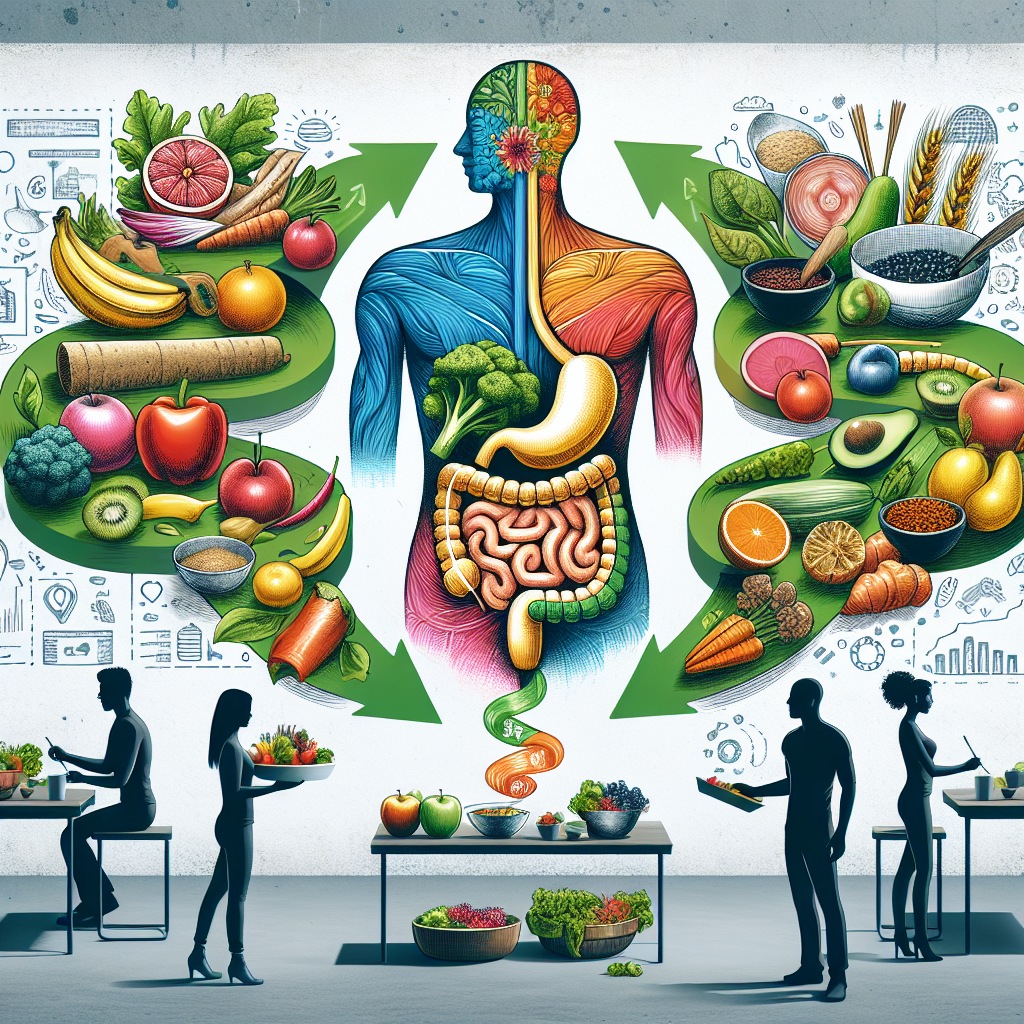
The best organic diet for clean eating beginners emphasizes whole, minimally processed foods, including fruits, vegetables, whole grains, lean proteins, and healthy fats. This approach not only supports optimal health but also reduces exposure to harmful pesticides and additives found in conventional foods.
When starting an organic diet, it’s crucial to plan meals effectively. Beginners often underestimate the importance of meal planning, which can lead to impulsive choices and reliance on processed foods. By preparing meals in advance, individuals can ensure they have access to nutritious options that align with their dietary goals. This strategy also helps in managing food costs and reducing waste.
Common mistakes include assuming that all organic foods are healthy or focusing solely on fruits and vegetables while neglecting other food groups. A balanced organic diet should include whole grains like quinoa and brown rice, proteins such as beans, nuts, and organic meats, and healthy fats from sources like avocados and olive oil. Prioritizing variety ensures that all nutrient needs are met.

==> Click Here for the best Certified Organic Product available - at a huge discount!
Understanding Organic Foods
Organic foods are produced without synthetic fertilizers, pesticides, or genetically modified organisms (GMOs). This production method aims to promote ecological balance and biodiversity. For beginners, understanding the labeling on organic products is essential. Look for the USDA Organic seal, which ensures that the product meets specific federal standards.
One common misconception is that organic foods are always more nutritious than conventional ones. While organic methods may lead to greater soil health and reduced chemical exposure, the nutritional differences can be minimal. Therefore, focusing on a diverse diet that includes both organic and conventional foods can be a practical approach.
Additionally, beginners should consider the environmental impact of their food choices. Supporting local organic farmers can reduce carbon footprints associated with transportation, making it a more sustainable option. Establishing a relationship with local producers can also foster a sense of community and connection to food sources.
Meal Planning for Beginners
Effective meal planning is a cornerstone of a successful organic diet. It involves selecting recipes, creating shopping lists, and preparing meals in advance. This strategy not only saves time but also minimizes the temptation to opt for unhealthy convenience foods.
To start meal planning, beginners should choose a selection of recipes that incorporate a variety of food groups. It’s beneficial to focus on seasonal produce to ensure freshness and affordability. Many find it helpful to set aside time each week to map out meals and snacks, ensuring they have the necessary ingredients on hand.
Another practical tip is to batch cook meals, which can simplify the week ahead. For instance, preparing a large pot of soup or a grain salad can provide multiple meals. This approach reduces cooking time on busy days and helps maintain a healthy diet.
Common Pitfalls in Clean Eating
Many beginners encounter pitfalls when transitioning to an organic diet. One major issue is the belief that organic foods are inherently healthy. For example, organic cookies or chips still contain sugars and unhealthy fats. It’s crucial to read labels and understand that organic does not equate to automatically nutritious.
Additionally, some may fall into the trap of overspending on organic products without a clear understanding of their dietary needs. Setting a budget and prioritizing essential items can help manage costs while still focusing on healthy choices. Beginners should also consider the value of frozen organic fruits and vegetables, which can be more economical and have a longer shelf life.
Another common mistake is neglecting meal diversity. A varied diet not only prevents boredom but also ensures a wide range of nutrients. Beginners should aim to try new recipes and incorporate different foods regularly to maintain interest and health.
Essential Foods for an Organic Diet
Building a foundation for an organic diet involves selecting key food groups. Essential items include a variety of organic fruits and vegetables, whole grains like quinoa and brown rice, and sources of lean protein such as legumes, nuts, and organic poultry or fish.
Healthy fats are also vital; consider incorporating avocados, olive oil, and nuts into meals. These fats contribute to overall health and can enhance the absorption of fat-soluble vitamins. Including a broad array of colors in fruits and vegetables can help ensure a wide range of antioxidants and phytonutrients.
For beginners, creating a well-stocked pantry is beneficial. Items like canned beans, lentils, whole grain pasta, and frozen vegetables can provide versatile options for quick meals. Regularly reviewing pantry supplies can help avoid waste and ensure that healthy options are always available.

==> Need an Energy Boost? Click Here for the best Organic Product available - at a huge discount!
Further Reading
Authoritative Sources
- USDA Organic Regulations
ams.usda.govThis source provides comprehensive information about organic certification and standards, making it a valuable resource for understanding organic foods
- Meal Planning Tips from the Academy of Nutrition and Dietetics
eatright.orgOffers practical strategies for effective meal planning, helping beginners create balanced and nutritious meals
Frequently Asked Questions
What are the main principles of clean eating?
Clean eating focuses on consuming whole, minimally processed foods while avoiding refined sugars, unhealthy fats, and artificial ingredients.
How can I start an organic diet on a budget?
Start by prioritizing seasonal produce, buying in bulk, and opting for frozen organic options to manage costs effectively.
Are organic foods really healthier than conventional foods?
While organic foods may have lower pesticide residues, the nutritional differences compared to conventional foods are often minimal.
What should I avoid when transitioning to an organic diet?
Avoid relying solely on organic processed foods, as they can still contain unhealthy ingredients. Focus on whole foods instead.
How often should I meal prep for an organic diet?
Meal prepping once a week is recommended, allowing you to prepare multiple meals and snacks to support your dietary goals.