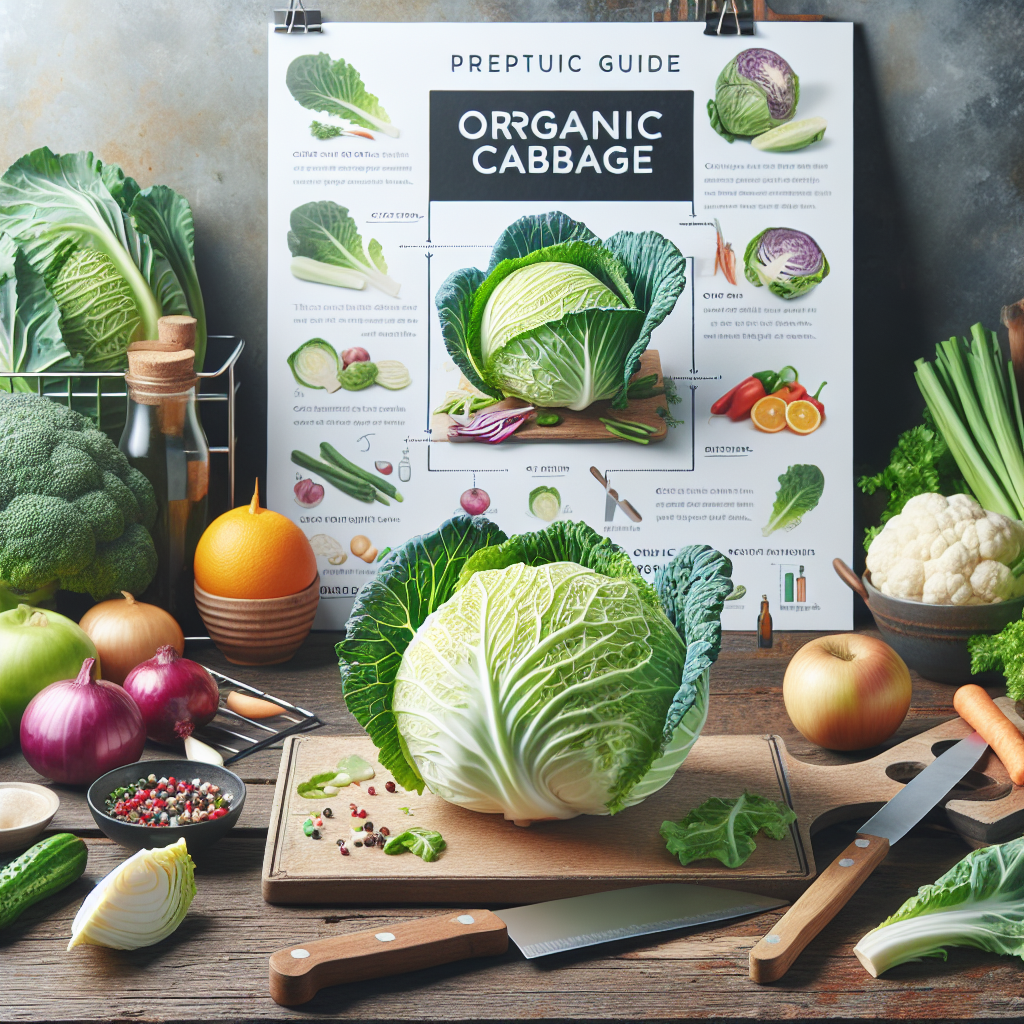
The best organic diet for inflammation reduction focuses on whole, nutrient-dense foods rich in antioxidants and anti-inflammatory compounds. Key components include fruits, vegetables, whole grains, healthy fats, and lean proteins.
Choosing an organic diet can reduce exposure to harmful pesticides and additives that may contribute to inflammation. Prioritizing fresh, seasonal produce and minimizing processed foods is essential. Organic foods often retain more nutrients, which can enhance their anti-inflammatory properties. Additionally, understanding the role of specific food groups allows individuals to make informed choices that support their health.
Common mistakes include assuming that all organic foods are automatically healthy or forgetting to balance macronutrients. It’s crucial to incorporate a variety of food sources to ensure a comprehensive intake of essential nutrients that play a role in reducing inflammation. Prioritizing high-quality, organic options while remaining mindful of overall dietary patterns is vital for achieving lasting benefits.
==> Click Here for the best Certified Organic Product available - at a huge discount!
Understanding Inflammation and Its Causes
Inflammation is the body’s natural response to injury or infection, but chronic inflammation can lead to various health issues, including heart disease, diabetes, and autoimmune disorders. Recognizing the triggers of inflammation—such as processed foods, sugar, and unhealthy fats—can help in managing and reducing its effects. An organic diet can mitigate these triggers by providing cleaner food options.
Common causes of chronic inflammation include poor diet, lack of exercise, stress, and environmental toxins. By addressing dietary choices, individuals can significantly reduce the inflammatory response. Foods high in sugar, refined carbohydrates, and trans fats should be minimized, while organic options that are rich in nutrients can help combat inflammation effectively.
Many people overlook the importance of maintaining a balanced diet that includes a variety of food groups. Focusing solely on one type of food can lead to nutrient deficiencies and exacerbate inflammation. A holistic approach to diet, encompassing diverse organic foods, can provide the necessary nutrients to support the body in fighting inflammation.
Key Organic Foods for Reducing Inflammation
Several organic foods are particularly effective in reducing inflammation. Fruits and vegetables are rich in antioxidants and phytochemicals that combat oxidative stress. Berries, such as blueberries and strawberries, are especially potent due to their high levels of flavonoids. Leafy greens like spinach and kale are also excellent choices, providing essential vitamins and minerals.
Healthy fats, particularly omega-3 fatty acids found in fatty fish like salmon and trout, contribute significantly to lowering inflammation levels. Nuts, such as walnuts and almonds, also offer healthy fats and protein that can help maintain a balanced diet. Additionally, olive oil, particularly extra virgin, is known for its anti-inflammatory properties and should be a staple in any organic diet.
It’s essential to understand how these foods interact with one another. Combining various fruits and vegetables can enhance the absorption of nutrients, maximizing their anti-inflammatory effects. For instance, pairing spinach with avocado can increase the absorption of fat-soluble vitamins. Prioritizing these combinations can make a significant difference in the overall effectiveness of an organic diet.
Practical Tips for Implementing an Organic Diet
To successfully adopt an organic diet for inflammation reduction, start by gradually incorporating more organic fruits and vegetables into your meals. Shopping at local farmers’ markets can provide access to fresh, seasonal produce that is often more affordable and flavorful than supermarket options. Planning meals ahead of time can also help ensure that you make healthy choices throughout the week.
Another practical tip is to read labels carefully. Not all organic foods are created equal; some may still contain added sugars and unhealthy fats. Focus on whole, minimally processed foods to maximize health benefits. Additionally, consider meal prepping to save time and ensure that healthy options are readily available.
Many people underestimate the importance of hydration in reducing inflammation. Drinking plenty of water and incorporating herbal teas can help flush toxins from the body and support overall health. Prioritizing hydration alongside a balanced organic diet can further enhance anti-inflammatory efforts.
Common Mistakes to Avoid
One common mistake when adopting an organic diet is assuming that organic labels guarantee healthiness. While organic foods are often less processed, they can still contain high levels of sugar and unhealthy fats. Always evaluate the nutritional content rather than relying solely on the organic label.
Another pitfall is focusing too heavily on specific superfoods while neglecting a balanced diet. While foods like turmeric and ginger have well-documented anti-inflammatory benefits, they should be part of a broader dietary strategy that includes various food groups for optimal health.
Finally, it’s easy to overlook the importance of lifestyle factors, such as stress management and physical activity, in conjunction with dietary changes. A holistic approach that includes exercise, adequate sleep, and stress reduction techniques is essential for effectively managing inflammation.

==> Need an Energy Boost? Click Here for the best Organic Product available - at a huge discount!
Further Reading
Authoritative Sources
- Dietary Approaches to Reduce Inflammation
ncbi.nlm.nih.govThis source provides detailed insights from research on dietary strategies that can effectively reduce inflammation
- The Inflammation Diet
health.harvard.eduHarvard Health discusses the relationship between diet and inflammation, offering practical dietary recommendations
- Understanding Inflammation
mayoclinic.orgThis resource explains inflammation's role in various health conditions and dietary strategies for management
- Inflammation and Your Diet
eatright.orgExplore how diet impacts inflammation levels and get tips for creating an anti-inflammatory eating plan
Frequently Asked Questions
What are the best organic foods for inflammation?
Berries, leafy greens, fatty fish, nuts, and olive oil are among the best organic foods for reducing inflammation.
Can an organic diet completely eliminate inflammation?
While an organic diet can significantly reduce inflammation, it may not completely eliminate it, especially if other lifestyle factors are involved.
How long does it take to see results from an organic diet?
Results can vary, but many individuals may start noticing improvements in inflammation levels within a few weeks of adopting an organic diet.
Is all organic food healthy?
No, not all organic foods are healthy; many can still be high in sugars and unhealthy fats. Always check nutritional labels.
What lifestyle changes should accompany an organic diet?
Incorporating regular exercise, stress management, and adequate sleep are important lifestyle changes to enhance the benefits of an organic diet.
Conclusion
Adopting the best organic diet for inflammation reduction involves focusing on whole, nutrient-rich foods while being mindful of overall dietary patterns. Prioritizing a variety of fruits, vegetables, healthy fats, and lean proteins can significantly impact inflammation levels. Avoiding common pitfalls, such as assuming organic equals healthy, is crucial. Ultimately, a holistic approach that combines dietary changes with lifestyle improvements will yield the best results in managing inflammation effectively.
Related Content
- Elevate Your Daily Routine with Daily Green Food from Organic Farms for Lasting Vitality
- Why Organic Vegetables and Fruits Are Essential for Lasting Health
- How to Get More Omega-3s with Organic Nutrition
- The Ultimate Guide to 10 Effective Organic Raw Food Recipes for 2025
- 10 Effective Tips for the Best Organic Nutrition Program in 2025