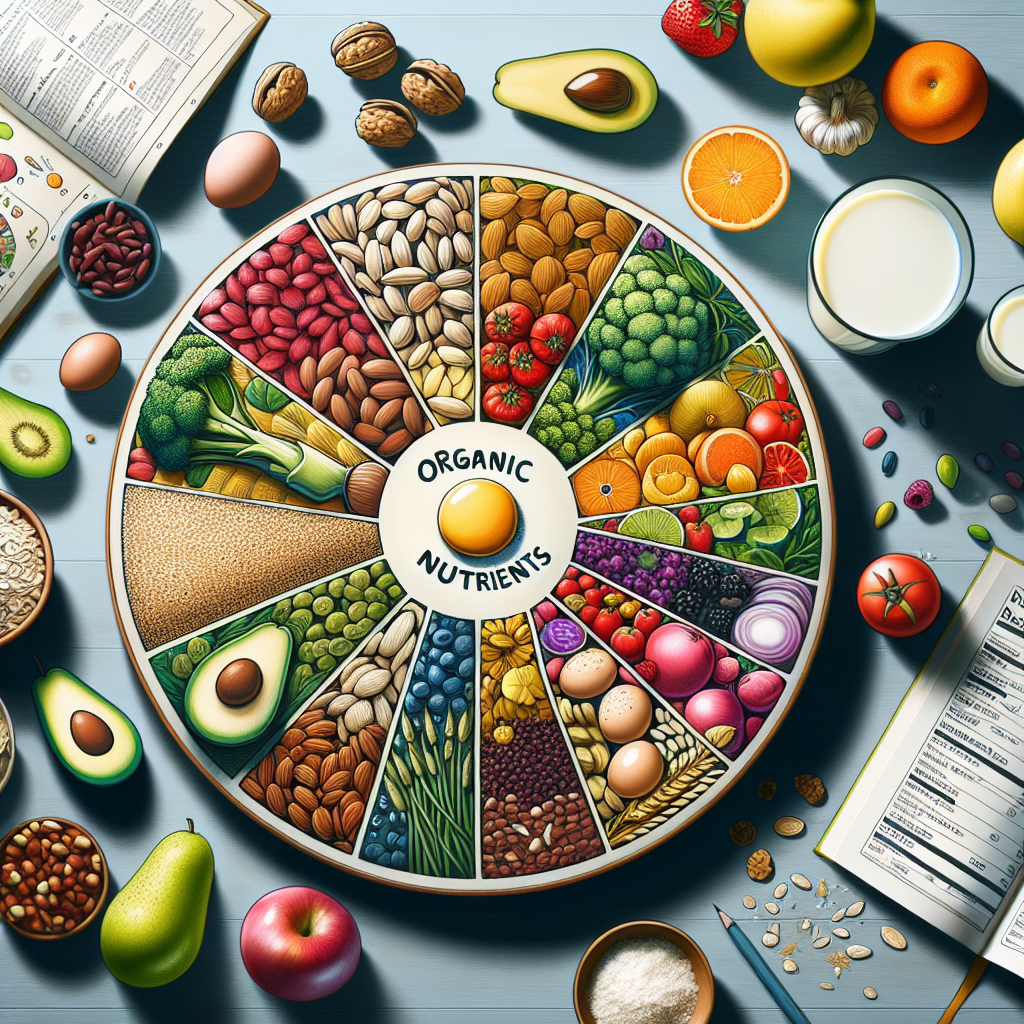
The difference between superfoods and regular foods primarily lies in their nutrient density and health benefits. Superfoods are nutrient-rich foods that offer significant health advantages, often containing high levels of vitamins, minerals, and antioxidants.
Understanding the implications of these differences is crucial for making informed dietary choices. Superfoods, such as quinoa, blueberries, and kale, are often touted for their ability to combat inflammation, improve immunity, and support heart health. Regular foods, while still valuable, may lack the same intensity of health-promoting properties. This distinction is particularly important for individuals seeking to optimize their health and well-being through diet.
Moreover, many people mistakenly believe that all foods marketed as healthy are indeed superfoods. It’s essential to critically evaluate food labels and nutritional information to avoid falling into this trap. While regular foods can be part of a balanced diet, incorporating a variety of superfoods can elevate your nutritional intake and enhance overall health outcomes.

==> Click Here for the best Certified Organic Product available - at a huge discount!
Nutritional Profiles: Superfoods vs. Regular Foods
Superfoods are defined by their high nutrient density, often containing significant amounts of vitamins, minerals, and antioxidants per serving. Foods like spinach, chia seeds, and acai berries exemplify this category, providing health benefits that far exceed their caloric content. In contrast, regular foods may offer essential nutrients but typically do not pack the same punch in terms of health benefits.
This distinction matters because nutrient density can influence health outcomes. For instance, a serving of kale may provide more vitamin K than a typical serving of lettuce, impacting bone health and blood clotting. Recognizing these differences can help individuals prioritize their dietary choices more effectively.
It’s also important to note that not all foods labeled as superfoods are created equal. Some may be heavily processed or contain added sugars, which can negate their health benefits. Thus, choosing whole, minimally processed superfoods is essential for reaping their maximum benefits.
Health Benefits of Superfoods
The health benefits associated with superfoods are well-documented and often supported by research. Many superfoods are rich in antioxidants, which help combat oxidative stress and reduce the risk of chronic diseases such as heart disease, diabetes, and cancer. Foods such as berries, nuts, and fatty fish are often highlighted for their ability to enhance brain function and support cardiovascular health.
Incorporating superfoods into your diet can lead to improved energy levels, enhanced mood, and better overall health. For example, omega-3 fatty acids found in fish can reduce inflammation, while the fiber in beans can support digestive health. Understanding these benefits enables consumers to make proactive choices about their diets.
However, it’s crucial to balance superfoods with a variety of other foods to ensure a well-rounded diet. Relying solely on superfoods may lead to nutrient imbalances or deficiencies. For optimal health, focus on incorporating a diverse range of whole foods, including fruits, vegetables, grains, and proteins.
Common Mistakes in Food Choices
Many individuals fall into the trap of assuming that all healthy-sounding foods are superfoods, which can lead to poor dietary choices. For example, foods marketed as “low-fat” or “sugar-free” may still contain additives or unhealthy ingredients that diminish their nutritional value. Understanding the difference between marketing and actual health benefits is key.
Another common mistake is neglecting the importance of preparation methods. Cooking methods can significantly impact the nutrient content of foods. For instance, boiling vegetables can lead to nutrient loss, while steaming or sautéing can help retain their health benefits. Being mindful of how foods are prepared is essential for maximizing their nutritional potential.
Furthermore, many people overlook the importance of portion sizes. Even superfoods can contribute to weight gain if consumed in excess. Balancing portion sizes with overall caloric intake is vital for maintaining a healthy weight and optimizing health.
Incorporating Superfoods into Your Diet
Incorporating superfoods into your diet can be a straightforward process with a few practical strategies. Start by identifying your favorite superfoods and seeking ways to include them in your meals. For example, adding chia seeds to smoothies or sprinkling flaxseeds on yogurt can enhance nutrient intake without significant changes to your diet.
Meal planning is another effective way to ensure you incorporate superfoods regularly. Designate specific days for superfood-rich dishes, such as quinoa salads or berry smoothies, to make healthy eating easier. This proactive approach can also help prevent impulse purchases of less nutritious foods.
Lastly, consider exploring local markets for fresh, seasonal superfoods. Fresh produce often contains higher nutrient levels compared to processed or packaged options. Engaging with local food sources can also enhance your dietary enjoyment and connection to the community.

==> Need an Energy Boost? Click Here for the best Organic Product available - at a huge discount!
Further Reading
Authoritative Sources
Authoritative Sources
- Superfoods: A Comprehensive Review
ncbi.nlm.nih.govThis article reviews various superfoods and their health benefits, providing a scientific basis for their classification
- Healthline's Guide to Superfoods
healthline.comAn informative resource detailing popular superfoods and their nutritional profiles
- World Health Organization: Healthy Diet
who.intAn authoritative guide on dietary recommendations, including the importance of nutrient-rich foods
- Academy of Nutrition and Dietetics: Benefits of Superfoods
eatright.orgInsightful information on how to incorporate superfoods into a balanced diet
Frequently Asked Questions
What exactly qualifies a food as a superfood?
A superfood is typically defined as a nutrient-rich food that offers health benefits, often containing high levels of antioxidants, vitamins, and minerals.
Are superfoods necessary for a healthy diet?
While superfoods can enhance health, they are not strictly necessary. A balanced diet with a variety of foods can also support good health.
Can I find superfoods in regular grocery stores?
Yes, many superfoods like berries, leafy greens, and nuts are commonly available in regular grocery stores.
How can I incorporate more superfoods without changing my diet drastically?
Start by adding small amounts of superfoods to meals you already enjoy, such as smoothies, salads, or yogurt.
Are there any risks associated with consuming superfoods?
While superfoods are generally safe, overconsumption can lead to imbalances. It’s essential to maintain a well-rounded diet.
Conclusion
In conclusion, understanding the difference between superfoods and regular foods is crucial for optimizing health through diet. Superfoods offer concentrated nutritional benefits that can enhance overall well-being, while regular foods still play a vital role in a balanced diet. To make the most of your dietary choices, prioritize incorporating a variety of nutrient-dense foods while remaining mindful of preparation methods and portion sizes. By doing so, you can effectively navigate the complexities of modern nutrition and make informed decisions that support your health goals.