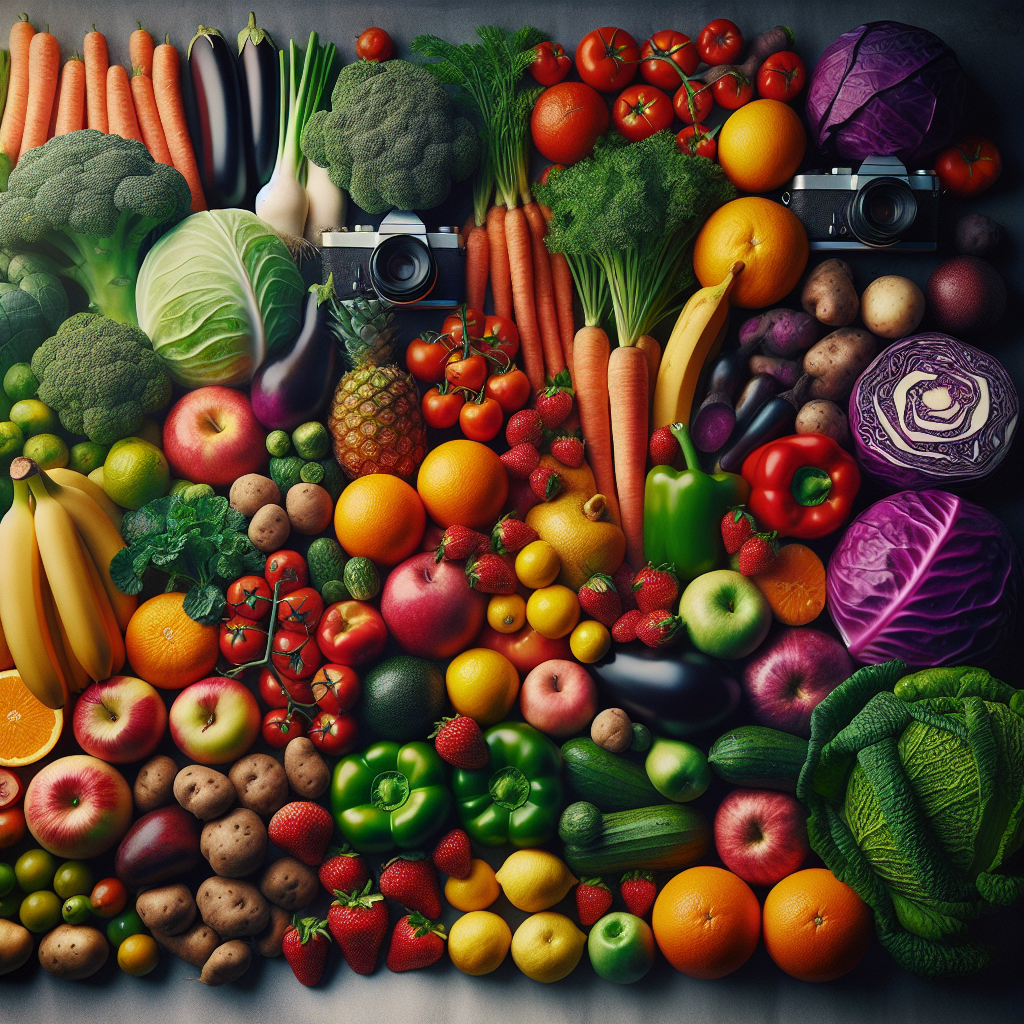
Organic nutrition reduces exposure to toxins by avoiding synthetic pesticides, herbicides, and fertilizers commonly used in conventional farming. By choosing organic produce, you are less likely to consume these harmful chemicals, which can accumulate in the body and lead to various health issues.
When considering the impact of organic nutrition on toxin exposure, it is essential to recognize the benefits of organic farming methods. These methods often include crop rotation, cover cropping, and natural pest control, which not only improve soil conditions but also enhance plant resilience against pests and diseases. By avoiding harmful chemicals, organic farming can lead to a reduced risk of chronic illnesses associated with toxin exposure, making it a wise choice for health-conscious consumers.
Many consumers often overlook the importance of understanding food sourcing and farming practices. It is not just about choosing organic labels; being informed about local farms and their practices can significantly influence toxin levels in your diet. Additionally, consumers should be aware that some organic products may still carry trace levels of pesticides, albeit much lower than conventional counterparts. This highlights the necessity of washing produce thoroughly and considering the source of your food.

==> Click Here for the best Certified Organic Product available - at a huge discount!
The Role of Pesticides in Toxin Exposure
Pesticides are designed to kill pests, but they can also pose health risks to humans. Conventional farming often relies heavily on these chemicals, which can leave residues on fruits and vegetables. In contrast, organic farming restricts the use of synthetic pesticides, significantly reducing the likelihood that consumers will be exposed to these toxins.
Understanding how different pesticides work can help consumers make informed choices. Some pesticides are known to disrupt endocrine function, while others may be carcinogenic. By choosing organic, you minimize your exposure to these harmful substances. Furthermore, the cumulative effects of pesticide exposure over time can lead to serious health issues, making organic options a safer choice for long-term health.
Consumers should also be aware of the Environmental Working Group’s (EWG) annual lists, which highlight produce items with the highest pesticide residues. This information can guide shopping habits, encouraging the purchase of organic options for the most contaminated items, thereby reducing overall toxin intake.
Understanding Organic Farming Practices
Organic farming emphasizes sustainable practices that enhance soil health and biodiversity. Techniques such as crop rotation, composting, and natural pest control methods are utilized to create a balanced ecosystem. These practices not only improve crop yields but also reduce the need for chemical interventions, thereby minimizing toxin exposure.
Farmers who practice organic methods often focus on building healthy soil, which leads to more nutritious crops. Healthier plants are better equipped to withstand pests and diseases, reducing the reliance on harmful chemicals. This holistic approach not only benefits the environment but also results in cleaner, more nutritious food for consumers.
It’s important to recognize that not all organic farms are created equal. Some may still use certain natural pesticides or fertilizers, which, while less harmful, can still introduce toxins. Therefore, knowing the specific practices of local organic farms can provide additional peace of mind regarding food safety.
Nutritional Benefits of Organic Foods
Research indicates that organic foods may contain higher levels of certain nutrients compared to their conventional counterparts. This is partly due to the healthier soil conditions fostered by organic farming practices, which can lead to increased nutrient density in crops.
Choosing organic can also mean consuming fewer artificial additives and preservatives, which are often found in processed foods. These additives can contribute to toxin accumulation in the body. By focusing on whole, organic foods, consumers can enjoy meals that are not only healthier but also cleaner.
Moreover, organic foods can support better digestion and overall wellness. Many people report improved gut health when switching to organic diets, likely due to the absence of synthetic chemicals and additives. Prioritizing organic options can lead to a more balanced diet that supports long-term health.
Making Informed Choices
To maximize the benefits of organic nutrition, consumers should prioritize purchasing from reputable sources. Understanding labels and certifications is crucial; look for USDA Organic certification to ensure that products meet established organic standards.
Additionally, local farmers’ markets can be excellent venues for finding organic produce. Not only can consumers speak directly with farmers about their practices, but they can also support local agriculture. This connection can enhance trust and provide insight into the food’s journey from farm to table.
Finally, while organic options are generally safer, it’s essential to wash all produce thoroughly. This practice helps remove any potential residues, whether from organic or conventional sources. Staying informed about food sourcing and preparation can significantly reduce toxin exposure in your diet.

==> Need an Energy Boost? Click Here for the best Organic Product available - at a huge discount!
Further Reading
Authoritative Sources
- EWG’s Shopper’s Guide to Pesticides
ewg.orgThis guide provides insights into pesticide residues on produce, helping consumers make informed choices about organic versus conventional options
Frequently Asked Questions
What are the main toxins found in conventional foods?
Common toxins include synthetic pesticides, herbicides, and chemical fertilizers, which can leave harmful residues on produce.
How can I ensure I’m buying truly organic products?
Look for USDA Organic certification and consider purchasing from local farmers’ markets where you can verify farming practices directly.
Are organic foods more nutritious than conventional foods?
Studies suggest that organic foods may contain higher levels of certain nutrients due to healthier soil conditions and farming practices.
What should I do if I can’t afford organic food?
Prioritize buying organic for the most contaminated produce, as highlighted by the EWG’s lists, and focus on washing all fruits and vegetables thoroughly.
Does washing produce remove all pesticides?
Washing can significantly reduce pesticide residues but may not eliminate them completely. It’s best to combine washing with choosing organic options.

Related Content
- Boost Brain Power Naturally: How Organic Nutrition Enhances Cognitive Function and Mental Clarity
- Top 10 Organic Fruit and Veggie Combinations for 2025 Bliss
- Top 7 Organic Produce for Immune Support in 2025 You Need!
- Unlocking the Secrets: How Organic Eating Supports Balanced Blood Sugar for Better Health
- Organic Nutrition: Tips for Every Meal