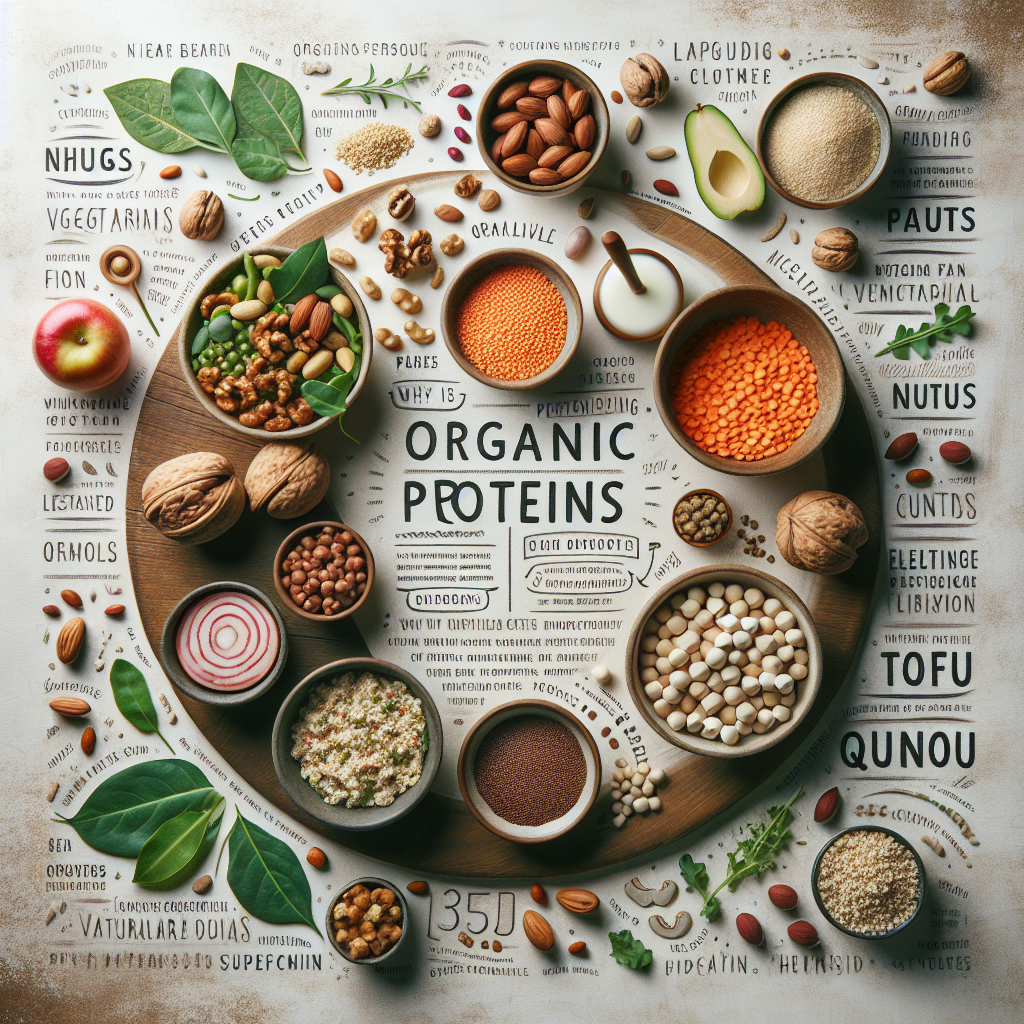
Organic nutrition plays a significant role in supporting immune resilience by providing nutrient-rich foods that help bolster the body's defenses against infections and diseases. Foods that are organically grown tend to be free from synthetic pesticides and fertilizers, which not only preserves their nutritional content but also minimizes exposure to harmful chemicals.
Moreover, organic foods often contain higher levels of beneficial compounds such as flavonoids and polyphenols, which are known for their anti-inflammatory and antioxidant properties. These compounds not only combat oxidative stress but also support the gut microbiome, which plays a crucial role in immune function. A healthy gut microbiome can enhance nutrient absorption, modulate inflammation, and even produce immune-regulating compounds, making it essential for maintaining overall health.
It’s also important to recognize that simply choosing organic isn’t a panacea. Many factors influence immune resilience, including lifestyle choices, stress levels, and sleep quality. Therefore, while incorporating organic foods into your diet is beneficial, it should be part of a comprehensive approach to health that includes regular physical activity, adequate hydration, and stress management.

==> Click Here for the best Certified Organic Product available - at a huge discount!
The Nutritional Benefits of Organic Foods
Organic foods are often touted for their superior nutritional profiles compared to conventionally grown counterparts. Research indicates that organic fruits and vegetables can contain higher levels of vitamins C and E, beta-carotene, and other antioxidants. These nutrients play a vital role in immune resilience by neutralizing free radicals and reducing inflammation.
When selecting organic produce, consumers should also consider seasonal and local options, as these tend to be fresher and more nutrient-dense. Additionally, organic meats and dairy products are generally derived from animals that are raised without antibiotics or growth hormones, further contributing to a healthier diet.
It’s crucial to prioritize organic foods that are most affected by pesticide residues, such as strawberries, spinach, and apples. By making informed choices, you can maximize the health benefits of organic nutrition and support your immune system effectively.
How Organic Nutrition Affects Gut Health
The gut microbiome is intricately linked to immune function, and organic nutrition can positively influence its health. Organic foods are typically richer in prebiotics and probiotics, which are essential for maintaining a balanced gut microbiome. A diverse microbiome supports immune resilience by training the immune system to differentiate between harmful pathogens and benign substances.
Incorporating fermented organic foods like yogurt, sauerkraut, and kimchi can provide beneficial bacteria that enhance gut health. Additionally, fiber-rich organic fruits and vegetables help feed these beneficial bacteria, promoting a thriving gut environment.
Readers should be mindful of the importance of variety in their diets. Consuming a wide range of organic foods can support a diverse microbiome, which is essential for optimal immune function. Avoiding overly processed organic foods is also crucial, as these may lack the nutrients necessary for gut health.
Common Mistakes in Choosing Organic Foods
While the benefits of organic nutrition are clear, many consumers make common mistakes that can undermine their efforts. One prevalent issue is the assumption that all organic foods are equally nutritious. In reality, the nutritional quality can vary greatly depending on factors like soil health and farming practices.
Another mistake is neglecting to wash organic produce. While organic foods are less likely to contain synthetic residues, they can still harbor dirt and bacteria. Proper washing is essential to ensure food safety and health.
Additionally, it’s important to remain aware of marketing tactics. Some products labeled as “organic” may still contain added sugars or unhealthy fats. Always read labels carefully to make informed choices that genuinely support your health.
Practical Steps to Incorporate Organic Foods
Integrating organic foods into your diet can be straightforward with a few practical steps. Start by prioritizing organic versions of the “Dirty Dozen,” a list of produce items with the highest pesticide residues. This strategy can maximize the health benefits while minimizing exposure to harmful chemicals.
Consider joining a local CSA (community-supported agriculture) program, which provides access to fresh, seasonal organic produce directly from farmers. This not only supports local agriculture but also encourages a diverse diet rich in nutrients.
Finally, meal planning can greatly assist in incorporating organic foods. By preparing meals in advance, you can ensure that you have nutritious organic options readily available, which can help prevent the temptation of processed foods.

==> Need an Energy Boost? Click Here for the best Organic Product available - at a huge discount!
Further Reading
Authoritative Sources
- Organic Food and Farming Research
organic.gov.auThis resource provides comprehensive research on the benefits of organic food and its impact on health
- The Role of Gut Microbiota in Immune Resilience
ncbi.nlm.nih.govThis article discusses the relationship between gut health and immune function, highlighting the importance of a balanced microbiome
- Healthy Diet
who.intThe World Health Organization outlines the principles of a healthy diet, which include the benefits of consuming organic foods
Frequently Asked Questions
What are the main benefits of organic nutrition for immune health?
Organic nutrition provides higher levels of vitamins, minerals, and antioxidants, which enhance immune function and reduce inflammation.
How does organic food affect gut health?
Organic foods often contain more prebiotics and probiotics, which help maintain a balanced gut microbiome crucial for immune resilience.
Are all organic foods equally nutritious?
No, the nutritional quality of organic foods can vary based on farming practices, soil health, and specific food types.
What are common mistakes when choosing organic foods?
Common mistakes include assuming all organic foods are nutritious, neglecting to wash them, and not reading labels for added sugars or fats.
How can I effectively incorporate organic foods into my diet?
Prioritize the Dirty Dozen, join a local CSA, and plan meals in advance to ensure a steady supply of organic options.
Conclusion
In conclusion, organic nutrition plays a vital role in supporting immune resilience by providing nutrient-rich foods that enhance overall health. By prioritizing organic options, particularly those with high pesticide residues, and ensuring a diverse diet, individuals can significantly improve their immune function. Furthermore, it is crucial to combine organic nutrition with other healthy lifestyle choices, such as regular exercise and stress management, to achieve optimal health outcomes. As you incorporate organic foods into your diet, remember to stay informed and make conscious choices that align with your health goals.