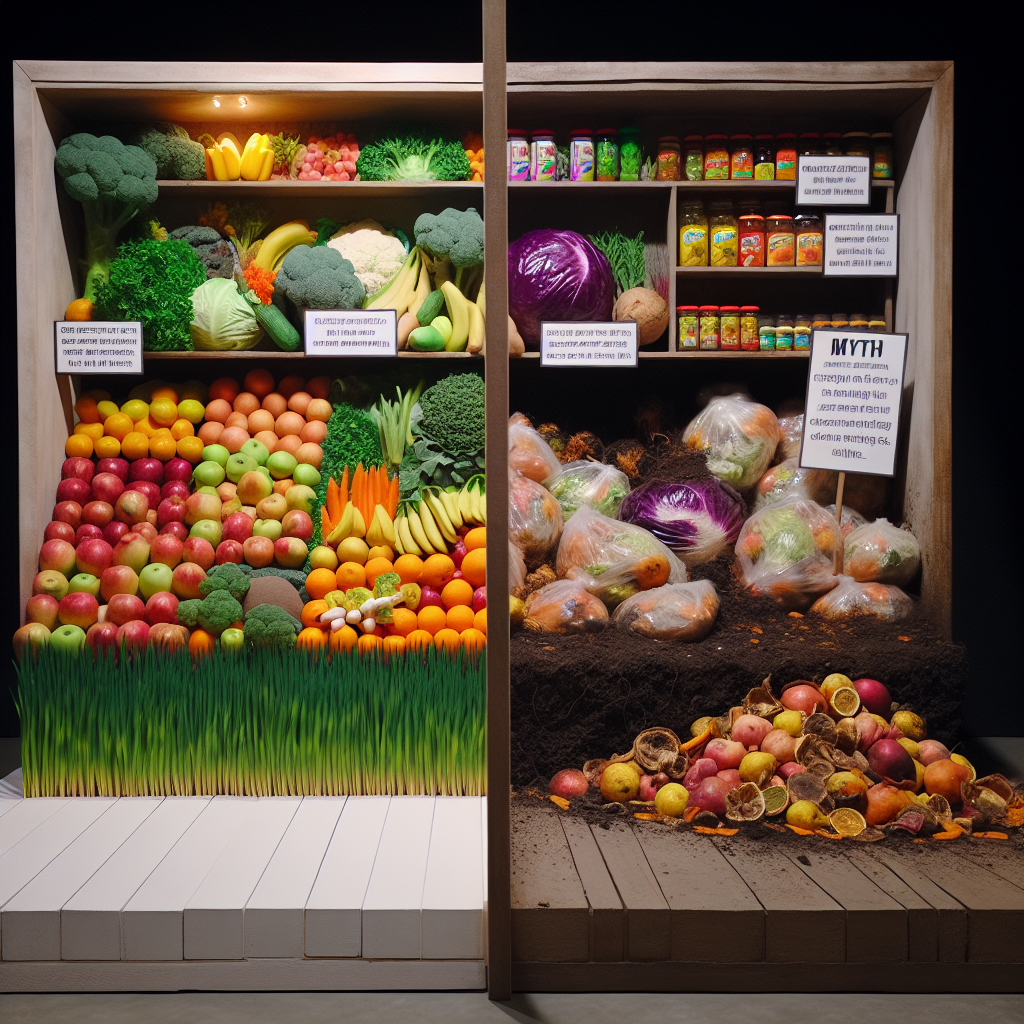
Organic nutrition is superior for reducing toxic load due to its emphasis on pesticide-free and chemical-free foods. Organic farming practices minimize exposure to harmful substances, ensuring that the food consumed is cleaner and healthier.
Choosing organic foods means opting for produce grown without synthetic fertilizers and pesticides. This choice is critical because conventional farming methods often leave chemical residues on food, which can contribute to a higher toxic load in the body. Moreover, organic foods are often fresher, as they are typically grown closer to consumption, further reducing the potential for chemical exposure.
A common misconception is that organic foods are not significantly different from their conventional counterparts. However, research indicates that organic foods contain higher levels of certain nutrients and antioxidants, which can help the body detoxify and manage oxidative stress more effectively. Therefore, prioritizing organic options can be a strategic move for individuals looking to lower their toxic load.
==> Click Here for the best Certified Organic Product available - at a huge discount!
Understanding Toxic Load and Its Sources
Toxic load refers to the accumulation of harmful substances in the body, which can come from various sources including environmental pollutants, processed foods, and chemical additives. Understanding these sources is crucial for making informed dietary choices. Organic nutrition plays a pivotal role in reducing this load, as it prioritizes natural farming methods that avoid synthetic chemicals.
Many people underestimate how much toxins can accumulate through their diet. Processed foods, which often contain artificial preservatives, flavorings, and colorings, can significantly contribute to overall toxic load. By choosing organic, individuals can mitigate this risk, as organic regulations limit harmful substances in food production.
It is important to recognize that the body’s ability to detoxify is influenced by the quality of the food consumed. Foods rich in nutrients and antioxidants support the liver and other organs involved in detoxification. Therefore, selecting organic options can enhance the body’s natural detox processes.
The Benefits of Organic Foods
Organic foods offer a variety of benefits that contribute to reduced toxic load. These foods are grown without synthetic fertilizers and pesticides, leading to lower chemical residues. Additionally, organic farming practices promote healthier soil and biodiversity, which can further enhance food quality.
Research has shown that organic produce often contains higher levels of vitamins, minerals, and antioxidants compared to conventionally grown foods. These nutrients play a critical role in supporting the body’s detoxification pathways and combating oxidative stress, which can otherwise lead to chronic diseases.
Furthermore, organic foods are less likely to contain genetically modified organisms (GMOs), which some studies suggest may have unknown long-term health effects. By choosing organic, consumers can avoid these potential risks and support sustainable agricultural practices that benefit the environment.
Key Organic Foods to Include
Incorporating a variety of organic foods into your diet is essential for reducing toxic load. Key categories to focus on include organic fruits and vegetables, whole grains, and organic dairy or plant-based alternatives. Foods such as leafy greens, berries, and root vegetables are particularly beneficial due to their high antioxidant content.
Additionally, organic meats and dairy products are important as they are often free from added hormones and antibiotics, which can contribute to toxic load. When selecting organic options, prioritize seasonal and locally sourced products to maximize freshness and nutrient content.
It is also advisable to pay attention to the Dirty Dozen list published by the EWG (Environmental Working Group), which highlights produce items with the highest pesticide residues. Prioritizing organic versions of these foods can significantly lower your exposure to harmful chemicals.
Practical Steps to Transition to Organic Nutrition
Transitioning to organic nutrition can be a gradual process. Start by replacing the most heavily contaminated foods with organic alternatives. Focus on items you consume frequently, such as fruits, vegetables, and grains.
Budgeting for organic products can be a concern for many. However, buying in bulk, shopping at local farmers’ markets, and participating in community-supported agriculture (CSA) can help reduce costs. Additionally, consider growing your own organic herbs and vegetables at home, which can be both economical and rewarding.
Remember to read labels carefully and choose certified organic products whenever possible. This certification ensures that the food meets strict organic standards, providing peace of mind regarding its safety and quality.

==> Need an Energy Boost? Click Here for the best Organic Product available - at a huge discount!
Further Reading
Authoritative Sources
- EWG's Dirty Dozen List
ewg.orgThis resource helps consumers identify which fruits and vegetables are most contaminated with pesticides, guiding smart organic choices
- Health Benefits of Organic Foods
ncbi.nlm.nih.govA comprehensive study detailing the health advantages of consuming organic versus conventional foods
- Food and Agriculture Organization on Organic Agriculture
fao.orgAn overview of organic agriculture practices and their benefits for health and the environment
Frequently Asked Questions
How does organic nutrition reduce toxic load?
Organic nutrition reduces toxic load by minimizing exposure to synthetic pesticides, fertilizers, and additives, promoting cleaner food sources.
Are organic foods more nutritious?
Many studies suggest organic foods contain higher levels of certain nutrients and antioxidants, enhancing their health benefits.
What are the best organic foods to buy?
Focus on organic fruits, vegetables, grains, and meats, especially those on the Dirty Dozen list for maximum reduction of pesticide exposure.
Is organic food worth the cost?
While often more expensive, organic food can lead to better health outcomes and reduced long-term health costs due to lower toxin exposure.
How can I transition to organic eating?
Start by replacing the most contaminated items with organic versions, consider bulk buying, and explore local farmers’ markets for better prices.