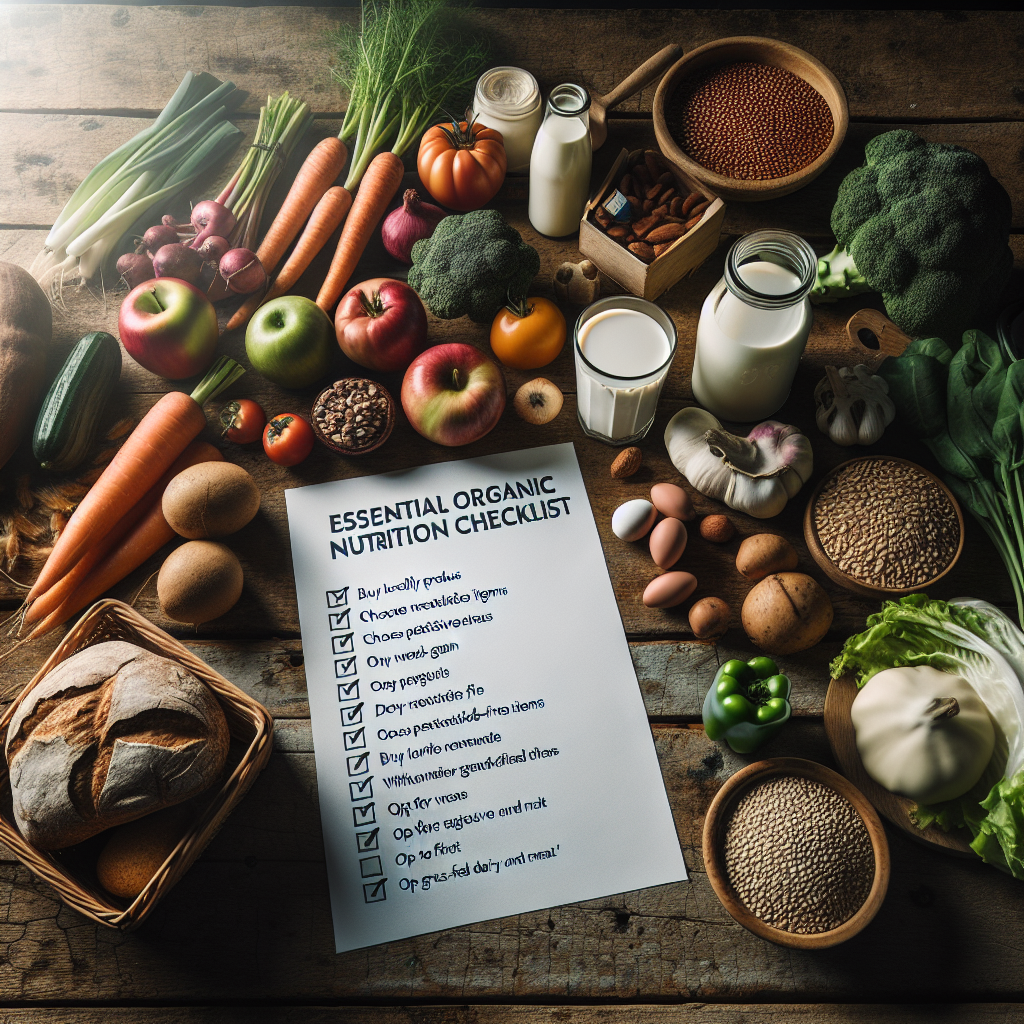
Organic nutrition plays a crucial role in supporting detox pathways by providing nutrient-dense foods free from harmful pesticides and additives. These foods enhance liver function, promote gut health, and assist in the elimination of toxins, making them essential for maintaining overall health and well-being.
Prioritizing organic foods helps mitigate exposure to synthetic chemicals that can disrupt detoxification processes. Many conventional agricultural practices involve the use of pesticides, herbicides, and fertilizers that can accumulate in the body over time, leading to potential health risks. By choosing organic options, individuals can reduce their toxic load and support their body’s natural detoxification mechanisms more effectively.
A common mistake is assuming that all organic foods are created equal. While organic certification ensures that products are grown without synthetic pesticides, not all organic foods are nutrient-dense. It’s essential to focus on whole, unprocessed organic foods, such as fruits, vegetables, whole grains, and legumes, which provide the vitamins, minerals, and antioxidants necessary for optimal detoxification.
==> Click Here for the best Certified Organic Product available - at a huge discount!
Understanding Detox Pathways
Detox pathways refer to the complex systems in the body that process and eliminate toxins. These pathways primarily involve the liver, kidneys, gastrointestinal tract, and skin. Organic nutrition supports these systems by supplying essential nutrients that enhance their function.
For instance, the liver is responsible for metabolizing and excreting harmful substances. Nutrient-dense organic foods, rich in antioxidants and phytochemicals, can help optimize liver function, making it more efficient at detoxifying the body. Foods such as beets, cruciferous vegetables, and garlic are particularly beneficial for liver health.
Moreover, the kidneys filter blood and excrete waste products. A diet high in organic fruits and vegetables can support kidney function by providing hydration and essential nutrients, which help maintain electrolyte balance and proper filtration processes. Staying aware of the interplay between diet and detoxification can significantly enhance health outcomes.
Key Organic Foods for Detox
Incorporating specific organic foods into your diet can amplify your detox pathways. Leafy greens, such as kale and spinach, are excellent choices as they are rich in chlorophyll, which helps eliminate toxins from the bloodstream.
Other notable foods include berries, which are high in antioxidants that combat oxidative stress, and cruciferous vegetables like broccoli and Brussels sprouts, known for their detox-supportive compounds. Additionally, organic legumes provide fiber, which aids in digestion and toxin elimination.
When focusing on organic foods, prioritize seasonal and local produce whenever possible. These options are often fresher, more nutrient-dense, and have a smaller environmental footprint. Engaging with local farmers’ markets can also foster a deeper connection to the food you consume.
The Role of Nutrients in Detoxification
Nutrients play a critical role in supporting detoxification processes in the body. Vitamins such as B6, B12, C, and minerals like magnesium and zinc are essential for the enzymatic reactions involved in detoxification.
For example, vitamin C is crucial for synthesizing glutathione, a powerful antioxidant that protects cells from damage and aids in detoxification. Organic nutrition ensures a steady supply of these essential nutrients, enabling the body to effectively neutralize and excrete toxins.
Moreover, healthy fats found in organic avocados, nuts, and seeds can support cell membrane integrity, facilitating better nutrient absorption and toxin elimination. Balancing these nutrients through an organic diet can lead to more efficient detox pathways.
Common Mistakes to Avoid
One prevalent mistake is assuming that all organic products are inherently healthy. Many processed organic foods can still be high in sugars, unhealthy fats, and additives that do not support detoxification. Always read labels and opt for whole, minimally processed organic foods.
Another mistake is neglecting hydration. Water is vital for the detoxification process, as it helps the kidneys flush out waste. Pairing organic nutrition with adequate hydration is crucial for optimal detox pathways.
Lastly, some individuals may overlook the importance of variety in their diet. Consuming a wide range of organic foods ensures a diverse nutrient intake, which is essential for comprehensive detoxification support. Aim to include various colors and types of organic produce in your meals.

==> Need an Energy Boost? Click Here for the best Organic Product available - at a huge discount!
Further Reading
Authoritative Sources
- EWG's Guide to Pesticides in Produce
ewg.orgThis guide provides insights on pesticide residues in fruits and vegetables, helping consumers make informed choices about organic produce
- NIH Office of Dietary Supplements
ods.od.nih.govA reliable resource for information on vitamins and minerals, including their role in detoxification and overall health
- Nutrients and Detoxification
ncbi.nlm.nih.govA peer-reviewed article discussing the importance of nutrients in the detoxification process
Frequently Asked Questions
How does organic nutrition enhance detoxification?
Organic nutrition provides nutrient-dense foods free from harmful pesticides, enhancing liver function and promoting gut health, which are crucial for detoxification.
What are the best organic foods for detoxification?
Leafy greens, cruciferous vegetables, berries, and legumes are among the best organic foods to support detox pathways.
Can organic foods help reduce toxic exposure?
Yes, organic foods are grown without synthetic pesticides and fertilizers, reducing the risk of toxic exposure compared to conventionally grown foods.
Is hydration important for detoxification?
Absolutely. Adequate hydration supports kidney function and helps flush out toxins, making it an essential component of any detox strategy.
What common mistakes should I avoid when choosing organic foods?
Avoid assuming all organic products are healthy; focus on whole foods and maintain a balanced diet for effective detoxification.
Conclusion
In conclusion, organic nutrition is vital for supporting detox pathways by providing essential nutrients and minimizing exposure to harmful chemicals. By focusing on nutrient-dense organic foods, individuals can enhance their body’s natural detoxification processes. Prioritize variety, hydration, and whole foods to optimize health and well-being. Making informed choices in your diet can lead to significant improvements in detoxification and overall health.
Related Content
- Glow Naturally: How Organic Vegetable Nutrients for Skin Can Transform Your Complexion
- Revitalize Your Diet: The Ultimate Guide to Harnessing the Power of Organic Superfoods and Produce
- Boost Mental Clarity Naturally: The Impact of Organic Nutrition on Brain Function and Focus
- Pure Nutrition: Understanding Organic Foods
- Discover the Ultimate Organic Food Health Plan for 2025!