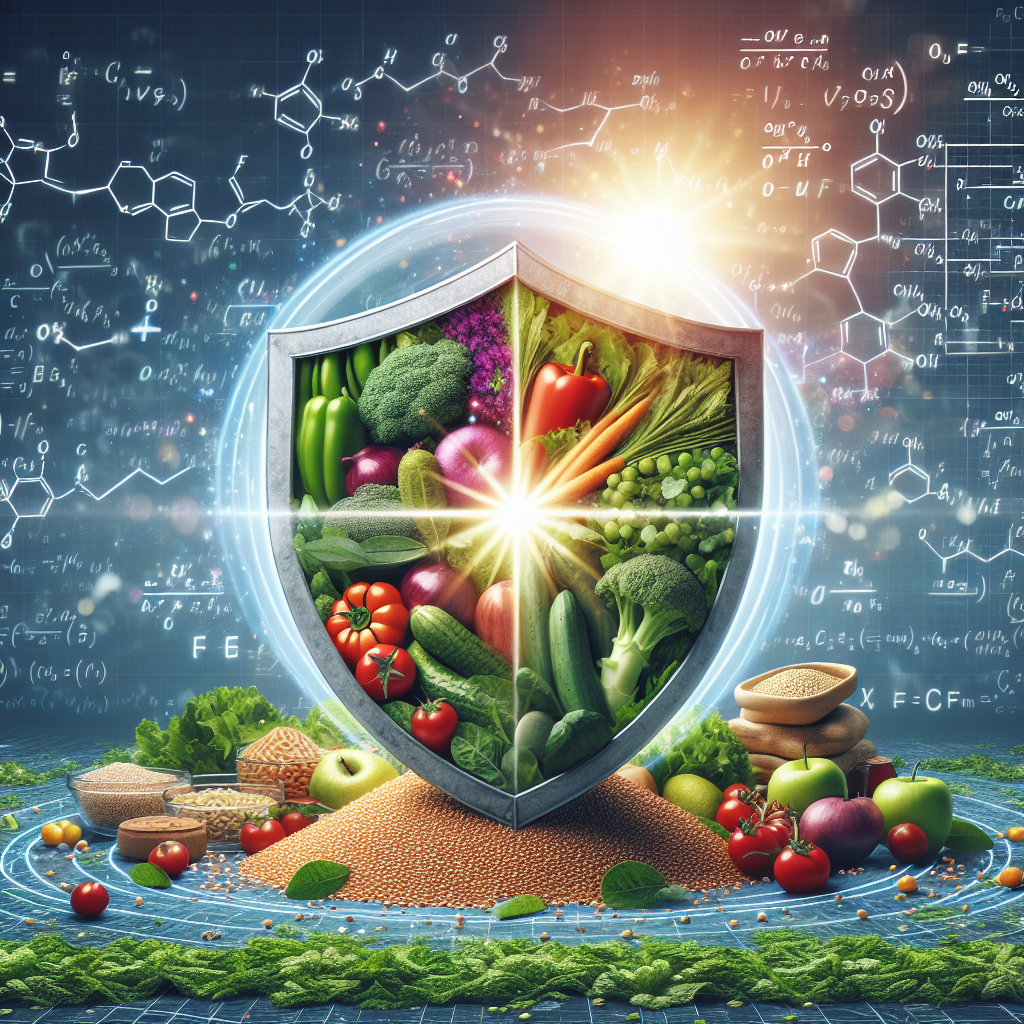
Organic nutrition significantly enhances overall wellness by providing higher nutrient levels, reducing exposure to harmful chemicals, and promoting sustainable agricultural practices. Key benefits include improved digestion, better immune function, and a lower risk of chronic diseases, making it a crucial component of a healthy lifestyle.
Understanding why organic nutrition is beneficial involves recognizing the role of chemical-free farming practices that prioritize soil health and biodiversity. Organic foods are often richer in antioxidants and essential nutrients, which can help combat inflammation and oxidative stress in the body. Moreover, choosing organic options supports agricultural systems that are better for the environment, ultimately benefiting public health.
Nutritional Advantages of Organic Foods
Organic foods typically have higher levels of vitamins and minerals compared to their conventionally grown counterparts. Research indicates that organic produce often contains more antioxidants, which play a vital role in protecting the body from cellular damage.

==> Click Here for the best Certified Organic Product available - at a huge discount!
Choosing organic means opting for products that are grown without synthetic fertilizers and pesticides, allowing plants to absorb nutrients more effectively from the soil. This leads to more nutrient-dense foods, promoting better overall health. Prioritizing organic fruits and vegetables can be particularly beneficial, as they directly contribute to a balanced diet.
Impact on Digestive Health
Organic nutrition can significantly improve digestive health due to the absence of artificial additives and preservatives in organic foods. These substances can disrupt gut flora and lead to digestive issues.
By consuming organic foods, individuals are more likely to support a healthy microbiome, which is essential for proper digestion and nutrient absorption. Foods like organic yogurt, fermented vegetables, and whole grains are excellent choices to enhance gut health. Avoiding non-organic processed foods can prevent common digestive complaints such as bloating and discomfort.
Organic Foods and Immune Function
Organic nutrition supports a robust immune system by providing key nutrients that enhance immune responses. Vitamins A, C, and E, found abundantly in organic fruits and vegetables, are essential for maintaining immune health.
Additionally, organic foods often contain higher levels of phytonutrients, which can help the body fight off infections and diseases. Incorporating a variety of organic produce into the diet can optimize immune function and reduce the risk of illness, especially during cold and flu seasons.
Reducing Chronic Disease Risk
Research suggests that organic nutrition may lower the risk of developing chronic diseases such as heart disease, diabetes, and certain cancers. The absence of harmful chemicals in organic foods contributes to this effect.
Adopting an organic diet can also facilitate healthier lifestyle choices overall, as individuals tend to gravitate towards whole foods and away from processed options. This shift can significantly reduce the intake of added sugars, unhealthy fats, and preservatives, which are linked to chronic health issues.
Further Reading
Authoritative Sources
- MedlinePlus
medlineplus.govConsumer-friendly medical and health information from the U.S. National Library of Medicine.
- National Institutes of Health
nih.govResearch-based health information and links to authoritative medical resources.
- Centers for Disease Control and Prevention
cdc.govOfficial public health guidance, prevention resources, and topic-specific recommendations.
- Mayo Clinic
mayoclinic.orgTrusted clinical guidance, symptom explainers, and treatment overviews.
- World Health Organization
who.intGlobal health guidance, fact sheets, and evidence-based public health information.

==> Need an Energy Boost? Click Here for the best Organic Product available - at a huge discount!
Frequently Asked Questions
What are the main benefits of organic nutrition?
The main benefits include higher nutrient levels, improved digestion, better immune function, and a reduced risk of chronic diseases.
How does organic nutrition affect gut health?
Organic nutrition supports gut health by avoiding artificial additives and promoting a healthy microbiome through nutrient-rich foods.
Are organic foods more nutritious than conventional foods?
Studies suggest that organic foods often have higher levels of vitamins, minerals, and antioxidants compared to conventional foods.
Can organic nutrition help prevent chronic diseases?
Yes, organic nutrition is associated with a lower risk of chronic diseases due to the absence of harmful chemicals and a focus on whole foods.
What types of foods should I prioritize in an organic diet?
Prioritize organic fruits, vegetables, whole grains, and fermented foods to maximize the health benefits of organic nutrition.
Conclusion
Incorporating organic nutrition into your diet can lead to significant improvements in overall wellness. By prioritizing organic foods, you can enhance nutrient intake, support digestive health, and reduce the risk of chronic diseases. Start by making small changes, such as choosing organic produce and eliminating processed foods, to experience the benefits of a healthier lifestyle.