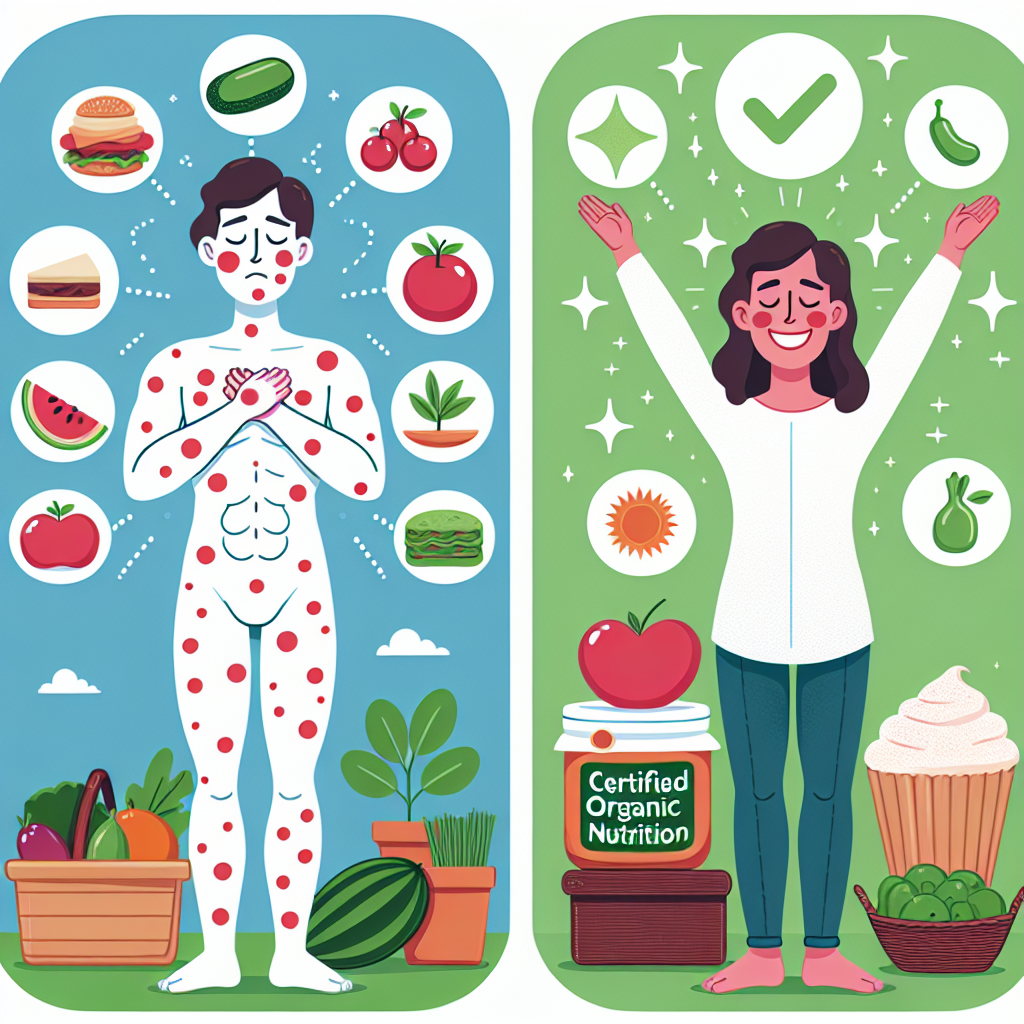
Organic nutrition is crucial for modern diets as it enhances health by reducing exposure to harmful chemicals, promoting biodiversity, and supporting sustainable farming practices. It often leads to higher nutrient content and better taste, making it a preferred choice for health-conscious consumers.
Understanding the importance of organic nutrition involves recognizing the benefits it confers not just to individual health, but also to the environment. Many conventional farming practices use pesticides and fertilizers that can harm ecosystems and human health. Transitioning to organic options can mitigate these risks and contribute to a more sustainable food system.
Nutritional Benefits of Organic Foods
Organic foods are often richer in essential nutrients compared to their conventionally grown counterparts. Studies suggest that organic produce may have higher levels of antioxidants, vitamins, and minerals due to the natural farming methods used.

==> Click Here for the best Certified Organic Product available - at a huge discount!
Choosing organic can significantly impact your health by reducing exposure to pesticide residues and antibiotic-resistant bacteria commonly found in non-organic meats. When selecting organic options, prioritize fresh fruits and vegetables, as they are often the most beneficial. Additionally, consider the sourcing of organic meats and dairy, as these can also influence overall nutritional value.
Environmental Impact of Organic Farming
Organic farming practices are designed to be more sustainable and environmentally friendly. They typically use crop rotation, cover crops, and natural pest control methods, which contribute to soil health and biodiversity.
Investing in organic agriculture supports ecosystems and reduces pollution from synthetic fertilizers and pesticides. Consumers can also play a role by supporting local organic farms, which often have a lower carbon footprint compared to large-scale industrial agriculture. This conscious choice not only enhances personal health but also contributes to global environmental sustainability.
Choosing Organic: Practical Steps
Incorporating organic foods into your diet can be straightforward. Start by identifying local farmers’ markets or grocery stores that offer organic produce and products.
Make a plan to gradually replace non-organic items with organic alternatives. Focus on the Dirty Dozen, a list of produce items most likely to contain pesticide residues, and prioritize purchasing these organic. Additionally, consider growing your own herbs or vegetables to ensure they are organic and fresh.
Common Misconceptions About Organic Nutrition
Many misconceptions surround organic nutrition, including the belief that organic foods are significantly more nutritious than conventional ones. While organic foods can be healthier, the differences may not always be as pronounced as assumed.
Another misconception is that organic foods are always more expensive. While they can be pricier, smart shopping strategies like buying in bulk or seeking out local farms can help reduce costs. It’s essential to weigh these factors against the long-term health benefits and environmental sustainability associated with organic nutrition.
Further Reading
To deepen your understanding of organic nutrition, consider exploring reputable sources that offer insights into the benefits and practices surrounding organic foods.
Authoritative Sources
- USDA Organic Regulations
ams.usda.govThis source provides comprehensive information about organic certification and standards in the United States
- Nutritional Quality of Organic Foods
ncbi.nlm.nih.govA research article discussing the nutritional benefits of organic foods compared to conventional options
- International Federation of Organic Agriculture Movements
ifoam.bioProvides global insights and resources regarding organic agriculture and its benefits
Frequently Asked Questions
What are the main benefits of organic nutrition?
The main benefits include reduced exposure to harmful chemicals, higher nutrient levels, and support for sustainable farming practices.

==> Need an Energy Boost? Click Here for the best Organic Product available - at a huge discount!
Is organic food more nutritious than conventional food?
Organic food can be more nutritious, particularly in terms of antioxidant levels, but the differences can vary by product.
How can I identify organic foods?
What should I prioritize when buying organic?
Look for labels like USDA Organic. Prioritize fruits and vegetables on the Dirty Dozen list for organic purchases.
Are organic foods always more expensive?
While often pricier, shopping at local farms or buying in bulk can help reduce costs.
Can I grow my own organic food?
Yes, growing your own herbs and vegetables is a great way to ensure they are organic and fresh.
Conclusion
Incorporating organic nutrition into modern diets is essential for enhancing health and supporting sustainable practices. Prioritize organic foods to reap their benefits while contributing to environmental well-being. Start with small changes, focusing on key items, and consider local sources for better quality and affordability. Your choices can significantly impact both personal health and the planet.
Related Content
- Maximize Your Health: Why Choosing Certified Produce for Better Nutrition is the Smartest Decision You Can Make
- How Organic Fruits Can Help Detox Your Liver
- The Impact of Organic Farming on Biodiversity
- Why Organic Foods Are the Key to Managing Autoimmune Disorders
- 10 Powerful Tips for Organic Living Nutrition in 2025: The Ultimate Guide