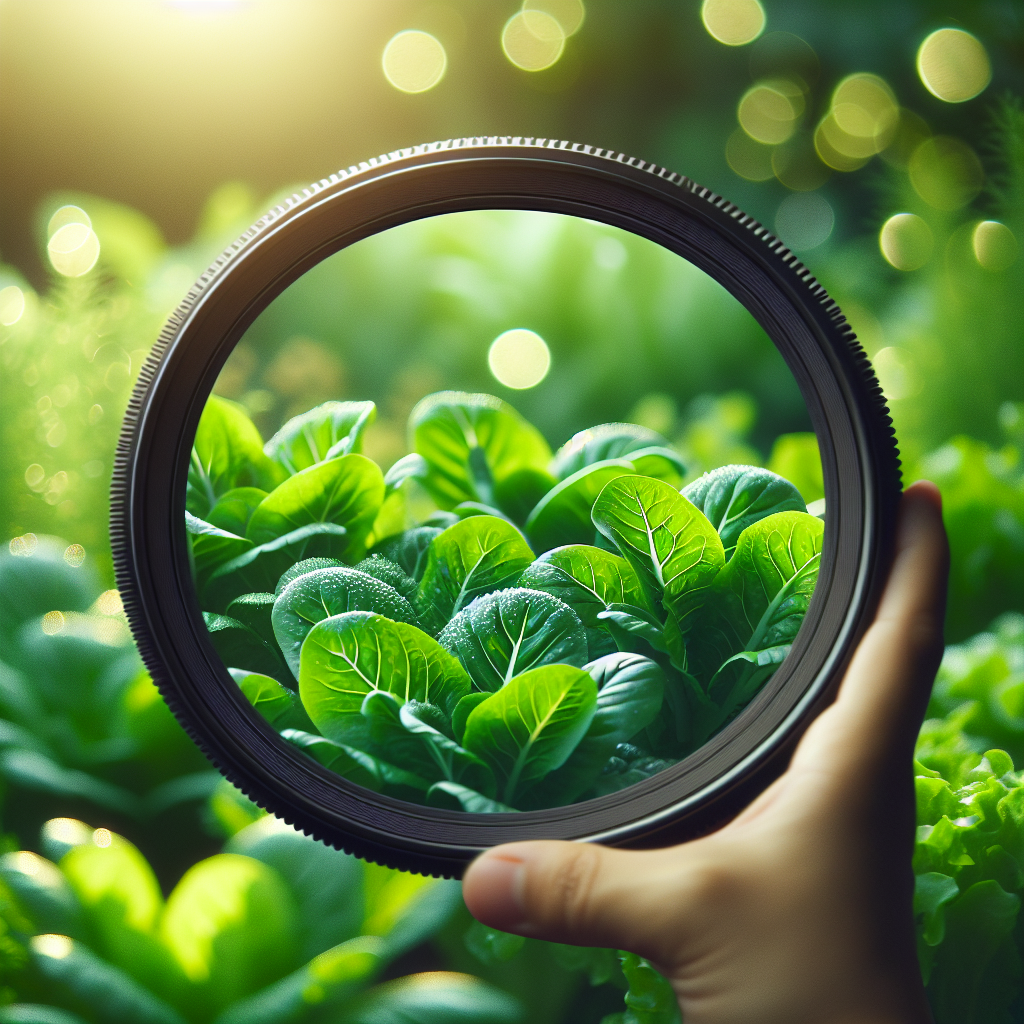
Organic nutrition supports hormonal balance naturally by providing nutrient-dense foods free from synthetic chemicals and additives. This approach enhances the body's ability to regulate hormones effectively, thanks to the presence of essential vitamins, minerals, and antioxidants found in organic produce, which contribute to overall health and hormonal stability.
Incorporating organic foods into your diet can significantly impact hormonal health. For instance, organic fruits and vegetables are rich in phytonutrients and fiber, which help regulate blood sugar levels and maintain a healthy weight. These factors are critical because hormonal balance is closely linked to metabolic health. Many individuals overlook the importance of food quality, assuming that all produce offers the same benefits. However, the nutritional value of organic foods often surpasses that of conventionally grown counterparts.
Moreover, understanding the specific nutrients that support hormonal balance is crucial. Omega-3 fatty acids, often found in organic fish and flaxseeds, are known to reduce inflammation, while magnesium, abundant in leafy greens, plays a vital role in hormone production. Many people may not realize that nutrient deficiencies can lead to hormonal imbalances, emphasizing the need for a well-rounded organic diet.
==> Click Here for the best Certified Organic Product available - at a huge discount!
The Role of Nutrients in Hormonal Balance
Nutrients play a vital role in maintaining hormonal balance within the body. Essential vitamins and minerals, such as vitamin D, zinc, and B vitamins, contribute to the production and regulation of hormones. For example, vitamin D is crucial for testosterone production in men and estrogen regulation in women. Deficiencies in these nutrients can lead to imbalances that affect mood, energy levels, and reproductive health.
When selecting organic foods, focus on those high in these essential nutrients. Leafy greens, nuts, seeds, and whole grains are excellent choices. Many individuals overlook the importance of variety in their diets, which can lead to nutrient gaps. To ensure a balanced intake, aim for a colorful plate filled with different organic foods.
Additionally, incorporating healthy fats into your diet is critical. Foods like avocados, nuts, and organic oils provide fatty acids necessary for hormone synthesis. Prioritizing these foods can help mitigate deficiencies and support overall hormonal health.
Impact of Pesticides on Hormonal Health
Pesticides used in conventional farming can disrupt hormonal balance, leading to various health issues. Many pesticides are endocrine disruptors, meaning they can interfere with hormone production and regulation. This disruption can lead to conditions such as infertility, weight gain, and mood disorders.
Choosing organic foods minimizes exposure to these harmful chemicals. Studies have shown that individuals who consume organic produce have lower levels of pesticide residues in their bodies. By prioritizing organic options, you can significantly reduce your risk of hormonal imbalances linked to chemical exposure.
It’s important to be aware that not all organic foods are created equal. While they are generally safer, some may still carry pesticide residues. Therefore, purchasing from reputable sources and understanding organic certifications can help ensure you are making the healthiest choices.
Common Mistakes in Dietary Choices
Many individuals make common mistakes that can hinder their hormonal health. One prevalent issue is relying heavily on processed organic foods, which may still contain added sugars and unhealthy fats. While these products are marketed as healthier options, they can contribute to hormonal imbalances if consumed in excess.
Another mistake is neglecting to consider the balance of macronutrients in meals. A diet high in carbohydrates without sufficient protein or healthy fats can lead to insulin resistance, a condition that significantly impacts hormonal balance. Aim for balanced meals that include a variety of macronutrients to support hormonal health.
Finally, many people underestimate the impact of hydration on hormonal balance. Dehydration can lead to fatigue and altered hormone levels. Prioritizing water intake and opting for organic herbal teas can promote hydration and support overall health.
Practical Steps to Optimize Your Diet
To optimize your diet for hormonal balance, start by incorporating a wide variety of organic foods. Focus on colorful fruits and vegetables, whole grains, and healthy fats. Planning meals that include these elements can help ensure you meet your nutritional needs.
Additionally, consider meal prepping to avoid the temptation of processed foods. Preparing meals in advance can help you stick to your dietary goals and make healthier choices throughout the week. This strategy is particularly useful for busy individuals who may find it challenging to prioritize healthy eating.
Finally, listen to your body. Pay attention to how different foods affect your mood and energy levels. Keeping a food diary can help you identify patterns and make adjustments as needed. By being mindful of your dietary choices, you can better support your hormonal health.

==> Need an Energy Boost? Click Here for the best Organic Product available - at a huge discount!
Further Reading
Authoritative Sources
- Dietary Patterns and Hormonal Health
ncbi.nlm.nih.govThis resource provides insights into how dietary patterns influence hormonal health
- Organic Consumers Association
organicconsumers.orgA comprehensive resource for understanding the benefits of organic foods on health
- World Health Organization on Pesticides
who.intAn overview of the health impacts of pesticide exposure and its relevance to hormonal health
Frequently Asked Questions
How does organic nutrition impact hormonal balance?
Organic nutrition provides nutrient-dense foods free from harmful pesticides, supporting the body’s ability to regulate hormones effectively.
What are the best organic foods for hormonal health?
Leafy greens, nuts, seeds, fatty fish, and colorful fruits are excellent choices for supporting hormonal balance.
Can pesticides affect hormone levels?
Yes, many pesticides are endocrine disruptors that can interfere with hormone production and regulation, leading to imbalances.
What common mistakes should I avoid for hormonal health?
Avoid relying on processed organic foods, neglecting macronutrient balance, and underestimating the importance of hydration.
How can I optimize my diet for hormonal balance?
Incorporate a variety of organic foods, meal prep for healthier choices, and pay attention to how foods affect your body.
Conclusion
In conclusion, organic nutrition plays a significant role in supporting hormonal balance naturally. By prioritizing nutrient-dense foods, minimizing exposure to harmful pesticides, and avoiding common dietary mistakes, individuals can enhance their hormonal health. It’s essential to remain mindful of food choices, incorporate a variety of organic options, and listen to your body. Taking these steps will not only support hormonal balance but also contribute to overall well-being.
Related Content
- How to Improve Your Health with Organic Vegetables and Fruits Without Breaking the Bank
- The Ultimate Guide to 10 Powerful Organic Whole Fruit Health Tips for 2025
- How Organic Seeds and Nuts Boost Your Energy Levels
- Is Certified Organic Nutrition Really Worth It? Here’s What You Need to Know
- “Organic Foods on a Budget: How to Shop Smart”