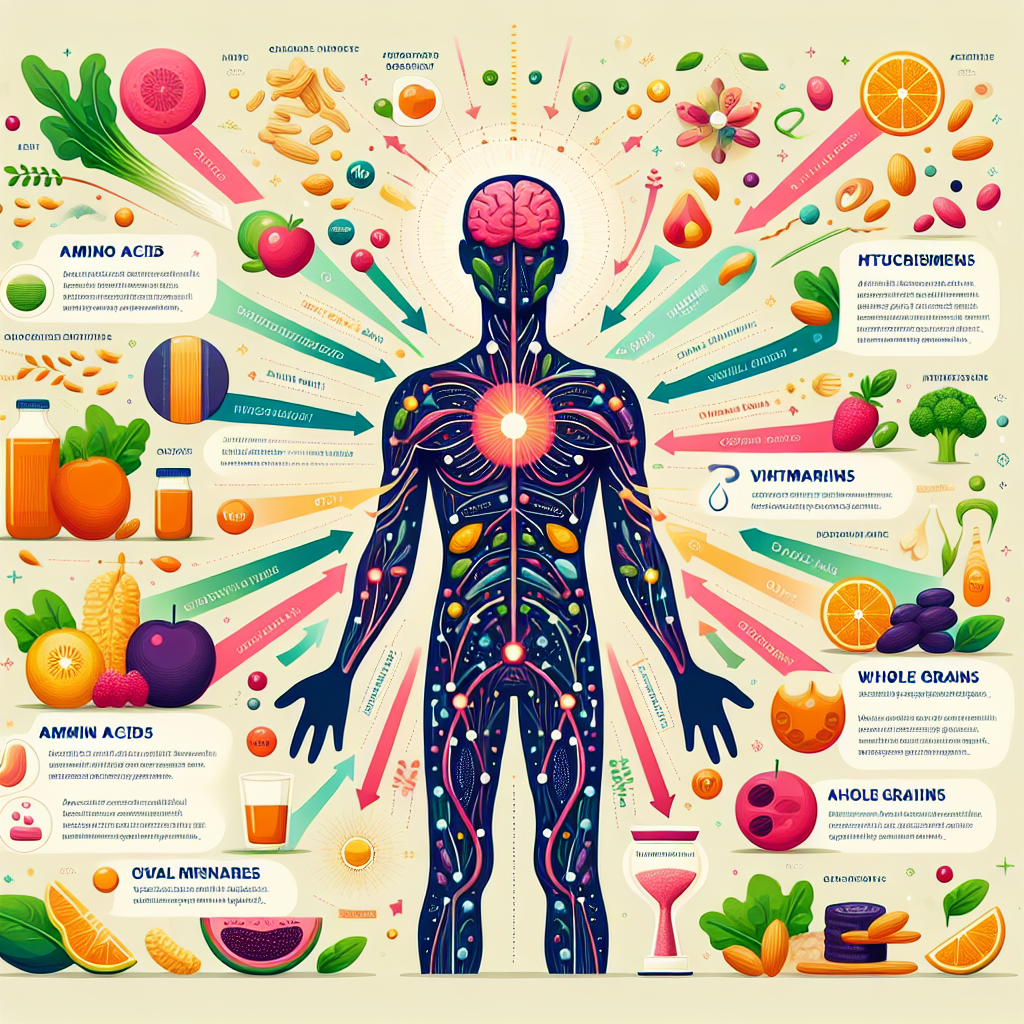
Organic eating supports cardiovascular wellness by providing nutrient-dense foods that are free from harmful pesticides and additives. This approach emphasizes fresh fruits, vegetables, whole grains, and healthy fats, which work together to reduce inflammation, lower cholesterol, and promote heart health.
Incorporating organic foods into your diet can have a significant impact on heart health. These foods are often richer in antioxidants and essential nutrients, which help combat oxidative stress and inflammation—two critical factors in cardiovascular disease. Additionally, organic farming practices tend to focus on soil health and biodiversity, which can enhance the nutritional quality of the produce harvested.
The Role of Antioxidants in Heart Health
Antioxidants play a pivotal role in supporting heart health by neutralizing free radicals that contribute to cellular damage. Organic foods, particularly fruits and vegetables, are abundant in antioxidants like vitamin C, vitamin E, and flavonoids. These compounds not only protect against oxidative damage but also enhance the body’s ability to fight inflammation.
==> Click Here for the best Certified Organic Product available - at a huge discount!
To maximize the benefits of antioxidants, aim to include a variety of colorful organic produce in your diet. For instance, berries, leafy greens, and citrus fruits are excellent choices that deliver a broad spectrum of beneficial compounds. Beware, however, that simply consuming these foods is not enough; their efficacy can be diminished by poor dietary habits or lifestyle choices.
Key Organic Foods for Cardiovascular Wellness
Several specific organic foods have been linked to improved heart health. These include leafy greens, fatty fish, nuts, and whole grains. Leafy greens are high in vitamins, minerals, and fiber, while fatty fish such as salmon and mackerel provide omega-3 fatty acids, which are known to lower triglycerides and reduce the risk of heart disease.
Moreover, nuts and seeds are rich in healthy fats and protein, making them an excellent snack option that can help regulate cholesterol levels. Whole grains, such as quinoa and brown rice, not only provide fiber but also support healthy blood pressure and cholesterol levels. Incorporating these foods into daily meals can create a heart-healthy diet that is both satisfying and nutritious.
Mistakes to Avoid When Choosing Organic Foods
Despite the benefits of organic eating, there are common mistakes that can undermine your efforts. One major pitfall is assuming that all organic foods are automatically healthy. For example, organic snacks may still be high in sugar and unhealthy fats, which can negate their benefits. Always read labels and choose whole, minimally processed options.
Another mistake is focusing solely on organic produce while neglecting other aspects of a heart-healthy diet. It’s essential to balance organic choices with overall dietary patterns and lifestyle factors, such as regular exercise and stress management. Prioritize a holistic approach to wellness rather than relying exclusively on organic labels.
Making Organic Eating Sustainable
Adopting an organic eating lifestyle can be challenging, especially regarding cost and availability. However, making sustainable choices can enhance both your health and the environment. Start by prioritizing organic purchases for the ‘Dirty Dozen’—a list of produce items that are typically high in pesticide residues.
Additionally, consider local farmers’ markets or community-supported agriculture (CSA) programs, which often provide organic produce at more reasonable prices. Meal planning and cooking at home also allow you to control ingredients while reducing food waste. By integrating these strategies, you can maintain a heart-healthy diet without compromising your budget.
Further Reading
Authoritative Sources
- American Heart Association
heart.orgA comprehensive resource for information on heart health, including dietary recommendations
- Centers for Disease Control and Prevention
cdc.govOffers guidance on nutritional health and its impact on cardiovascular disease
Frequently Asked Questions
What are the benefits of organic eating for heart health?
Organic eating promotes heart health by providing nutrient-rich foods that are free from harmful pesticides, enhancing overall nutrition.
Which organic foods are best for cardiovascular wellness?
Leafy greens, fatty fish, nuts, and whole grains are among the best organic foods for supporting cardiovascular wellness.
How does organic food differ from conventional food?
Organic food is grown without synthetic pesticides and fertilizers, focusing on sustainable farming practices that enhance nutritional quality.

==> Need an Energy Boost? Click Here for the best Organic Product available - at a huge discount!
Can organic snacks be unhealthy?
Yes, some organic snacks can be high in sugar and unhealthy fats, so it’s important to read labels and choose wisely.
Is organic eating affordable?
While organic foods can be more expensive, buying local and seasonal produce can help make it more affordable.
Related Content
- How to Shop Smart for Organic Foods
- 10 Effective Tips for Organic Food Shopping in 2025: The Ultimate Guide
- Fuel Your Life: The Essential Guide to Whole Food Daily Organic Nutrients for Optimal Performance
- Organic Soups: Comfort Food That Loves You Back
- How to Achieve Your Health Goals with Organic Nutrients Even If You’re Overwhelmed