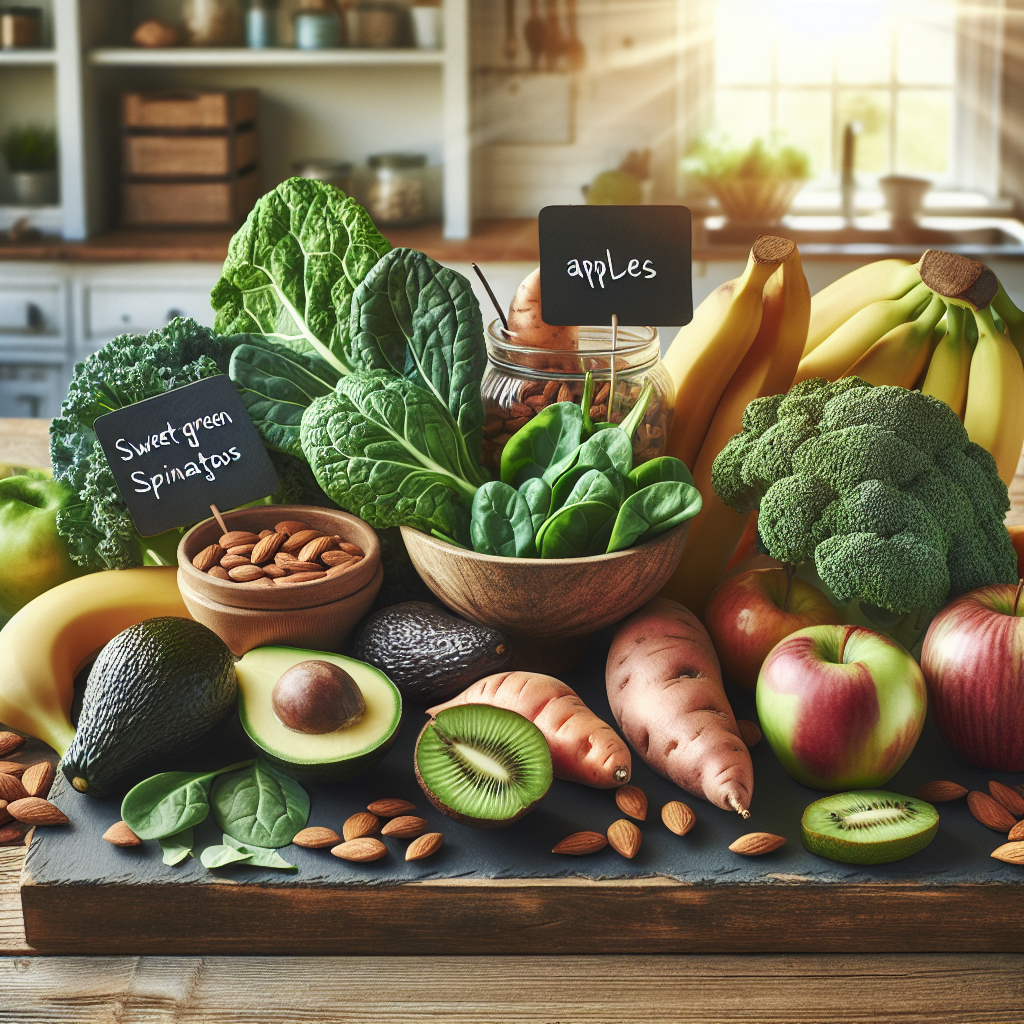
The Organic Nutrition Checklist for Beginners
Understanding the Importance of Organic Nutrition
The decision to embrace The Organic Nutrition Checklist for Beginners stems from a desire to reduce exposure to pesticides, artificial chemicals, and genetically modified organisms (GMOs). For those new to organic eating, the benefits extend beyond health—impacting the environment and supporting sustainable agriculture.
Research indicates that organic foods typically contain higher levels of antioxidants and lower pesticide residues. This makes The Organic Nutrition Checklist for Beginners an essential resource for anyone seeking to optimize their diet for long-term wellness.
The reality is, starting with organic nutrition can seem overwhelming due to confusing labels and a wide array of choices. However, a clear, focused checklist simplifies decision-making, making the transition smoother and more sustainable.
Key Elements of The Organic Nutrition Checklist for Beginners
Understanding Organic Labels
Before shopping, familiarize yourself with organic certification labels such as USDA Organic, EU Organic, or national equivalents. Look for labels that guarantee strict standards—these ensure the product is free from synthetic pesticides, fertilizers, and GMOs.
Prioritizing Organic Produce
Certain fruits and vegetables are more prone to pesticide residues, often called the “Dirty Dozen.” Incorporate these into your The Organic Nutrition Checklist for Beginners first to maximize health benefits:
- Strawberries
- Spinach
- Kale
- Apples
- Grapes
For produce less affected by pesticides, like avocados or pineapples, buying organic is optional but still recommended if budget permits.
Choosing Organic Proteins and Dairy
Opt for organic meats, eggs, and dairy—these are produced without antibiotics and synthetic hormones, aligning with the principles of The Organic Nutrition Checklist for Beginners. Look for certifications like Organic Valley or similar trusted brands.
Understanding Processed and Packaged Foods
Processed organic foods can still contain additives or preservatives. Always read labels carefully, prioritizing whole, minimally processed products to ensure purity and nutritional integrity.
Implementing the Checklist Effectively
Step-by-Step Approach
1. Start small: Focus on replacing your most-consumed produce with organic options.
2. Learn label terminology: Recognize terms like “certified organic” and “non-GMO.”
3. Plan your shopping: Make lists based on the The Organic Nutrition Checklist for Beginners to avoid impulse buys.
4. Prioritize seasonality: Organic seasonal produce tends to be fresher and more affordable.
Practical Tips for Success
– Shop at local farmers’ markets for fresh, affordable organic produce.
– Join community-supported agriculture (CSA) programs.
– Use mobile apps to verify organic labels.
– Educate yourself on local organic certification standards.
This structured approach ensures that The Organic Nutrition Checklist for Beginners becomes a sustainable part of your lifestyle.
Common Mistakes and How to Avoid Them
Overlooking Label Details
Many consumers assume “natural” or “healthy” labels are equivalent to organic. Always verify certification to avoid misleading claims.
Ignoring Budget Constraints
Organic products can be more expensive. Prioritize high-impact items like produce and dairy, and buy other items non-organic if necessary.
Buying in Bulk Without Knowledge
Bulk organic purchases can be cost-effective but risky if you lack proper storage or knowledge about shelf life. Educate yourself to prevent waste.
Neglecting Whole Foods
Processed organic snacks and beverages can detract from the benefits. Focus on whole, unprocessed foods to maximize nutrition.
References and Resources
These resources provide valuable information about The Organic Nutrition Checklist for Beginners. Check them out for additional insights:
Authoritative Sources on The Organic Nutrition Checklist for Beginners
- USDA Organic Standards
Official guidelines on organic certification and labeling.Understanding these standards helps ensure your choices align with trusted organic practices.
- EWG’s Dirty Dozen
Lists produce with high pesticide residues.Prioritize these for organic options to maximize health benefits.
- Organic Trade Association
Industry insights and certification standards.Helpful for understanding market trends and consumer rights.
- Food Safety and Inspection Service
Guidelines on organic labeling and safety standards.Ensures you’re making safe and compliant food choices.
- FAO Organic Agriculture
Global standards and practices in organic farming.Provides a broader context for organic food production worldwide.
- The American Society for Nutrition
Research on nutrition and health impacts.Supports understanding the nutritional benefits of organic choices.

- Natural Resources Defense Council
Environmental impact of agricultural practices.Highlights the ecological benefits of organic farming.
- Healthline Nutrition
Articles on organic eating and wellness.Accessible insights and practical tips for beginners.
Frequently Asked Questions
What should I prioritize in The Organic Nutrition Checklist for Beginners?
Start by focusing on organic fruits and vegetables listed in the “Dirty Dozen” to reduce pesticide exposure. Next, incorporate organic dairy and meats, and read labels carefully for processed foods. Making small, consistent changes ensures sustainable progress.
How can I afford organic foods as a beginner?
Prioritize high-impact items like produce and dairy, which benefit most from organic options. Shop at local farmers’ markets, join community-supported agriculture programs, and buy in bulk when possible. Planning and education help maximize your budget.
What mistakes should I avoid with The Organic Nutrition Checklist for Beginners?
Don’t assume “natural” labels mean organic—always verify certifications. Avoid buying organic processed snacks that contain additives. Also, don’t neglect whole foods in favor of convenience products; focus on minimally processed options for best results.
Can I buy organic on a tight schedule?
Yes. Use online resources, mobile apps, and local markets to streamline your shopping. Prepare a weekly plan based on your The Organic Nutrition Checklist for Beginners to stay organized and efficient.
Conclusion
Implementing The Organic Nutrition Checklist for Beginners empowers you to make healthier, more sustainable food choices. By understanding labels, prioritizing key produce, and avoiding common pitfalls, you set a solid foundation for long-term wellness. Remember, small consistent steps lead to meaningful change—start today and enjoy the benefits of an organic lifestyle.
As you progress, continue educating yourself and refining your approach. The journey to organic nutrition is ongoing, but with a clear, practical checklist, you’ll find it easier and more rewarding than ever.