One of the most pressing concerns about conventional agriculture is the use of chemical inputs that can leave residues on food products. These residues can accumulate in the body, leading to potential health issues such as endocrine disruption and increased cancer risk. Choosing organic foods helps mitigate these risks, as organic farming practices prioritize natural inputs and methods. Moreover, organic certification ensures that these products meet strict standards, providing consumers with greater confidence in their food choices.
A common misconception is that organic foods are merely a marketing ploy with no real benefits. However, research indicates that organic produce often contains higher levels of antioxidants and essential nutrients, which can contribute to better health outcomes. Additionally, organic farming methods promote biodiversity and soil health, further enhancing the nutritional quality of food. Understanding these factors can empower consumers to make informed decisions about their diets and prioritize organic options when possible.
Understanding Chemical Exposure in Food
Chemical exposure through food primarily occurs via pesticide residues, herbicides, and fertilizers used in conventional farming. These substances can persist on produce even after washing and cooking, posing risks to health. Studies have linked long-term exposure to these chemicals with various health issues, including neurological disorders and reproductive problems.
Consumers often underestimate the levels of chemical residues present in non-organic foods. According to research, fruits and vegetables are among the most contaminated items in grocery stores. By opting for organic produce, individuals can significantly reduce their intake of these harmful substances. It’s crucial to prioritize organic options for items known to carry higher pesticide loads, such as strawberries, spinach, and apples.
Moreover, understanding the implications of chemical exposure extends beyond immediate health effects. Chronic exposure can lead to cumulative toxicity in the body, potentially resulting in long-term health consequences. Thus, making informed choices about food sources is essential for minimizing risks.
The Role of Organic Certification
Organic certification serves as a critical indicator of food quality and safety. In many countries, organic standards prohibit the use of synthetic pesticides, herbicides, and fertilizers, ensuring that consumers purchase food free from harmful chemicals. This certification process includes rigorous inspections and adherence to strict farming practices, making organic products a safer choice.
Understanding the certification process can help consumers navigate the organic marketplace effectively. Look for seals from recognized organic certification bodies to ensure that products meet established standards. Additionally, be wary of misleading labels such as ‘natural’ or ‘made with organic ingredients,’ which may not guarantee the absence of harmful chemicals.
Prioritizing certified organic foods not only supports personal health but also contributes to environmental sustainability. Organic farming practices enhance soil health, promote biodiversity, and reduce pollution, aligning consumer choices with broader ecological benefits.
Key Foods to Consider for Organic Nutrition
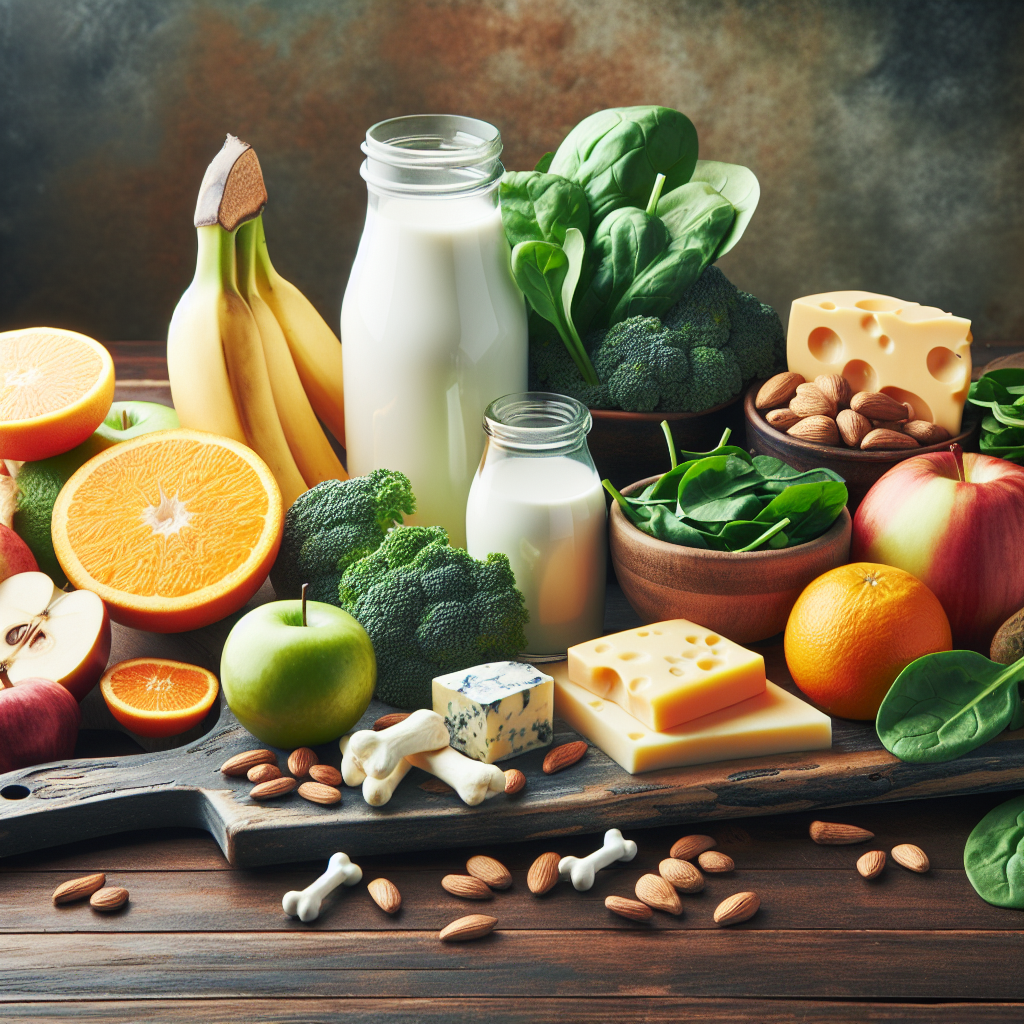
When considering organic nutrition, certain foods stand out due to their higher pesticide residues in conventional farming. Produce such as strawberries, spinach, and bell peppers should be prioritized as organic due to their susceptibility to chemical exposure. Additionally, organic dairy and meat products can significantly reduce exposure to antibiotics and growth hormones commonly used in conventional livestock farming.
Incorporating a variety of organic foods into your diet not only minimizes chemical exposure but also enhances overall nutritional quality. Organic grains, nuts, and seeds are excellent choices that provide essential nutrients without the risk of harmful additives. Furthermore, choosing seasonal and locally sourced organic options can maximize freshness and flavor.
Understanding the importance of food sourcing can empower consumers to make better dietary choices. Regularly consuming organic foods can lead to improved health outcomes and greater peace of mind regarding food safety.
Practical Tips for Transitioning to Organic
Transitioning to an organic diet doesn’t have to be overwhelming. Start by identifying specific foods that carry higher pesticide loads and prioritize purchasing those organically. Gradually incorporate more organic options into your meals, focusing on fruits, vegetables, and proteins.
Shopping at local farmers’ markets can also enhance access to organic produce while supporting local agriculture. Additionally, consider joining a community-supported agriculture (CSA) program to receive regular deliveries of fresh organic food directly from local farms.
It’s essential to remain mindful of budget constraints when transitioning. Organic foods can sometimes be more expensive, but prioritizing purchases based on the Environmental Working Group’s Dirty Dozen list can help consumers make cost-effective decisions. By focusing on the most contaminated items, individuals can reduce chemical exposure without overspending.
Further Reading
The importance of organic nutrition in reducing chemical exposure risks is well-documented. For those interested in exploring this topic further, consider reviewing resources from reputable organizations that focus on organic farming and food safety.
Authoritative Sources
- EWG's Shopper's Guide to Pesticides
ewg.orgThis resource provides a comprehensive list of produce items with the highest pesticide residues, helping consumers make informed choices about organic purchases
- USDA Organic Certification
usda.govA detailed overview of the organic certification process and standards set by the USDA, ensuring food safety and quality
- Health Benefits of Organic Foods
ncbi.nlm.nih.govAn academic article discussing the health advantages of consuming organic foods, including nutrient density and reduced chemical exposure
Frequently Asked Questions
What are the main benefits of organic nutrition?
Organic nutrition primarily reduces chemical exposure risks, supports environmental sustainability, and often provides higher nutrient levels compared to conventional foods.
Are organic foods worth the extra cost?
While organic foods may be pricier, they often contain fewer chemicals and higher nutritional value, making them a worthwhile investment for health-conscious consumers.
How can I identify organic foods when shopping?
Look for certified organic labels from recognized organizations, which ensure that the food meets strict organic standards and is free from harmful chemicals.
What are the most contaminated foods that should be bought organic?
Items like strawberries, spinach, and bell peppers are known to have high pesticide residues and should be prioritized as organic purchases.
How can I transition to an organic diet on a budget?
Start small by prioritizing the most contaminated items and consider shopping at local farmers’ markets or joining a CSA to access fresh organic produce at lower costs.
Conclusion
Choosing organic nutrition is a proactive step towards reducing chemical exposure risks and enhancing overall health. By prioritizing organic foods, consumers can significantly lower their intake of harmful pesticides and chemicals while supporting sustainable farming practices. To maximize benefits, focus on purchasing organic versions of the most contaminated foods and gradually incorporate more organic options into your diet. This approach not only promotes personal health but also contributes to a healthier planet. Consider your budget and seek out local organic sources to make this transition both feasible and rewarding.