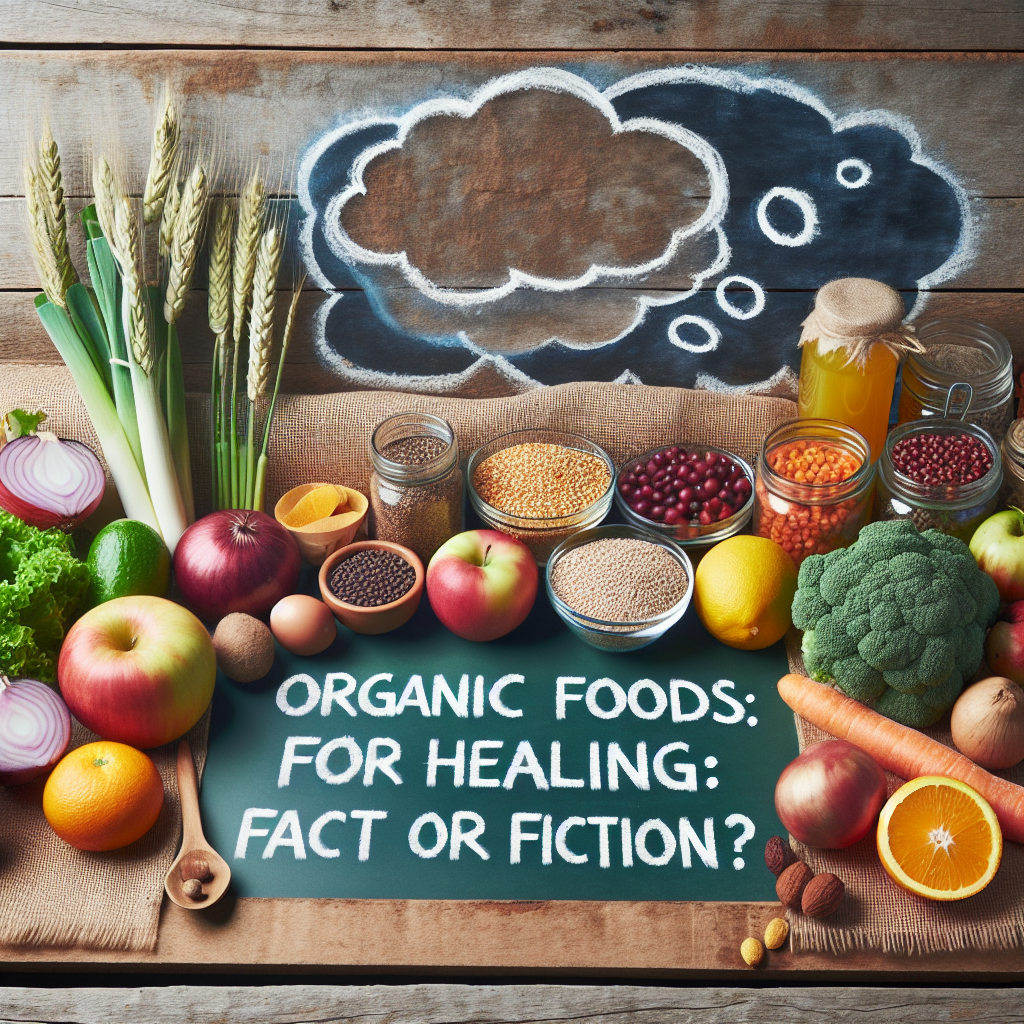
The quality of organic farming methods plays a crucial role in nutrient content. Organic practices prioritize crop rotation, composting, and natural pest control, which enrich the soil and lead to healthier plants. As a result, these plants are more nutrient-dense, offering better health benefits when consumed. Furthermore, organic foods typically contain fewer harmful residues from pesticides and fertilizers, which can interfere with nutrient absorption.
One common misconception is that all organic foods are automatically superior in nutrient content. While organic farming generally leads to better nutrient profiles, factors such as crop variety, harvest timing, and storage conditions also significantly influence nutrient levels. Therefore, consumers should prioritize both organic certification and the overall quality of the food they choose.
The Role of Soil Health in Nutrient Availability
Soil health is a foundational aspect of organic farming that directly impacts nutrient bioavailability. Healthy soils are rich in organic matter, which improves nutrient retention and enhances the microbial ecosystem. This biodiversity is essential for breaking down organic matter and making nutrients accessible to plants.
When soil is nurtured through organic methods, it fosters a robust microbiome that aids in nutrient cycling. For instance, beneficial microbes help in the breakdown of complex organic compounds into simpler, absorbable forms. This process not only increases the availability of nutrients but also enhances plant resilience to diseases and pests.
Consumers should look for organic certifications that prioritize sustainable soil management, as these practices are key indicators of nutrient-rich produce. Furthermore, understanding the link between soil health and food quality can help consumers make informed choices about their nutrition.
Impact of Organic Farming Practices
Organic farming practices significantly contribute to improved nutrient bioavailability. Techniques such as crop rotation, cover cropping, and the use of compost enrich the soil and enhance the nutrient profile of crops. These practices also promote biodiversity, which is critical for maintaining a balanced ecosystem.
By avoiding synthetic fertilizers and pesticides, organic farmers minimize chemical residues that can negatively affect nutrient absorption in humans. Additionally, organic farming often results in higher levels of antioxidants and vitamins in produce, which are vital for health.
When choosing organic foods, consumers should prioritize those that are locally sourced and in season, as these factors often correlate with higher nutrient content. This approach not only supports local economies but also ensures fresher produce with better flavor and nutritional value.
Comparing Organic and Conventional Nutrition
Research indicates that organic foods often contain higher levels of certain nutrients compared to their conventional counterparts. For instance, studies have shown that organic produce can have elevated levels of vitamin C, iron, and magnesium. These nutrients are essential for various bodily functions, including immune support and energy production.
However, it is essential to recognize that not all organic foods guarantee superior nutrition. Factors such as the specific crop variety, growing conditions, and post-harvest handling can influence nutrient levels. Thus, consumers should be discerning and consider the overall quality of the food they purchase.
In practical terms, prioritizing organic foods can lead to better health outcomes, especially when combined with a diverse diet rich in whole foods. This diversity ensures that individuals receive a broad spectrum of nutrients necessary for optimal health.
Common Misconceptions About Organic Foods
There are several misconceptions surrounding organic foods that can mislead consumers. One of the most prevalent is the belief that organic foods are always healthier or more nutritious than conventional options. While organic farming practices generally enhance nutrient profiles, individual food items may vary widely in quality.
Another misconception is that organic foods are free from all pesticides. While organic farming restricts synthetic pesticide use, organic farmers may still use natural pesticides. Understanding this distinction is crucial for consumers who are concerned about chemical exposure.
To make informed choices, consumers should educate themselves about organic labels and what they signify. This knowledge can empower individuals to select foods that align with their health goals and nutritional needs.
Further Reading
Authoritative Sources
- USDA Organic Regulations
ams.usda.govThis resource provides comprehensive information on organic certification standards and practices
- Nutritional Quality of Organic Foods
ncbi.nlm.nih.govA detailed study comparing the nutritional content of organic and conventional foods
- FAO on Organic Agriculture
fao.orgThis page discusses the benefits of organic agriculture and its impact on food quality
Frequently Asked Questions
How does organic farming affect nutrient absorption?
Organic farming enhances nutrient absorption by improving soil health and reducing chemical residues that can hinder nutrient uptake in plants.
Are organic foods always more nutritious?
Not necessarily; while organic foods often have higher nutrient levels, individual food items can vary based on factors like variety and growing conditions.
What are the environmental benefits of organic farming?
Organic farming promotes biodiversity, improves soil health, and reduces chemical runoff, benefiting the overall ecosystem.
How can I ensure I’m buying quality organic produce?
Look for reputable organic certifications and prioritize locally sourced, seasonal produce for better freshness and nutrient density.
Do organic foods contain pesticides?
While organic foods use fewer synthetic pesticides, they may still contain natural pesticides. It’s essential to understand the types used.