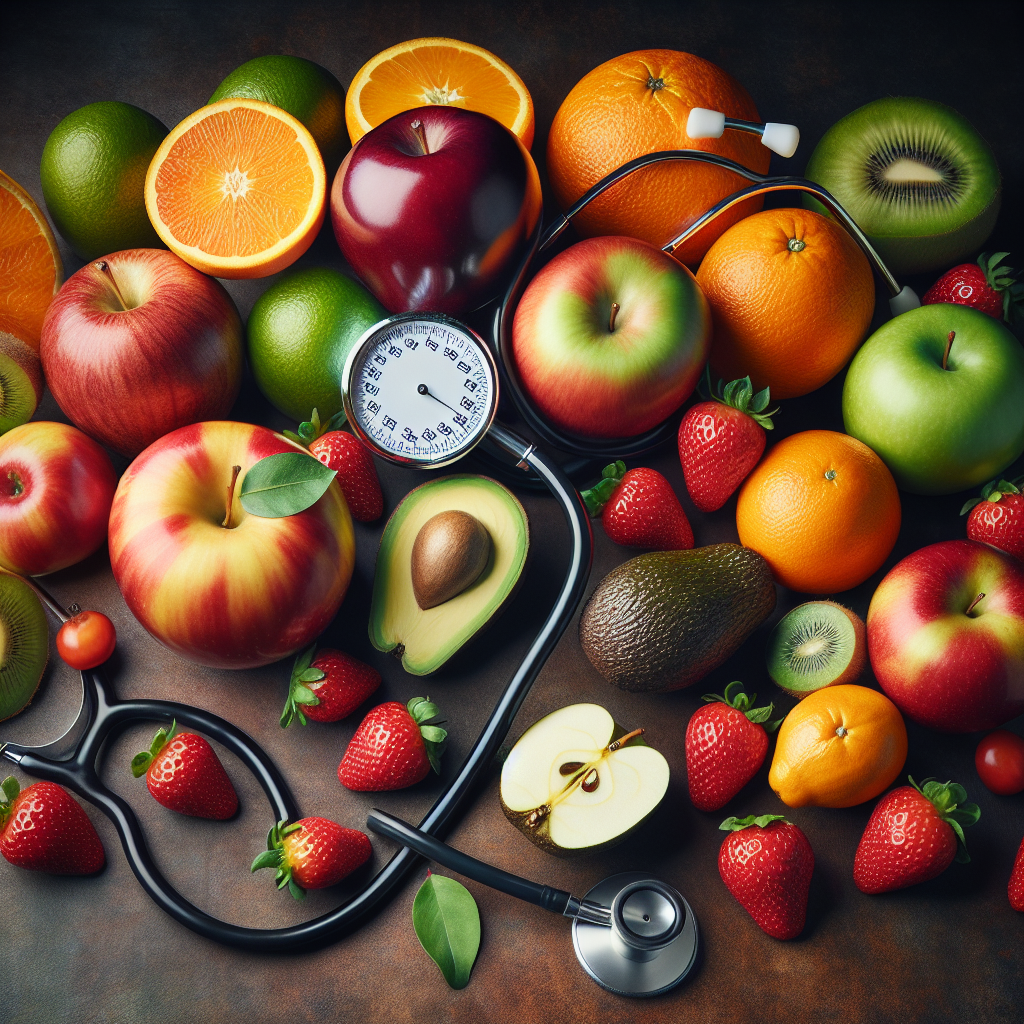
Transitioning to an organic whole food diet can significantly impact heart health. It encourages the consumption of foods that are less processed and free from harmful additives. This dietary approach is not only beneficial for the heart but also contributes to overall well-being by reducing the risk of chronic diseases. However, it’s important to recognize that not all organic foods are created equal, and understanding which varieties best support heart health is crucial.
Many individuals mistakenly believe that any organic food is automatically healthy. The reality is that some organic products can still be high in sugars or unhealthy fats. Prioritizing whole foods—those that are minimally processed and rich in nutrients—is key. Moreover, incorporating a variety of these foods ensures a balanced intake of essential vitamins and minerals necessary for optimal heart function.
Key Components of an Organic Whole Food Diet
The foundation of an organic whole food diet consists of fresh fruits, vegetables, whole grains, nuts, seeds, and legumes. These foods are naturally rich in nutrients that are vital for heart health, including potassium, magnesium, fiber, and antioxidants. For example, leafy greens like spinach and kale provide essential vitamins and minerals while being low in calories.
Incorporating a variety of these foods helps ensure a comprehensive intake of nutrients. For instance, berries are high in antioxidants that can help combat oxidative stress, while nuts and seeds provide healthy fats that can lower bad cholesterol levels. It’s also important to choose seasonal and local organic produce whenever possible, as it tends to be fresher and more flavorful.
Many people overlook the importance of whole grains in their diets. Whole grains like brown rice, quinoa, and oats are excellent sources of fiber, which aids in digestion and helps maintain healthy cholesterol levels. Prioritizing these foods can significantly enhance heart health by promoting better blood circulation and reducing inflammation.
Practical Steps to Incorporate Whole Foods
To effectively transition to an organic whole food diet, start by gradually replacing processed foods with whole food alternatives. This can be as simple as swapping out white rice for brown rice or choosing whole grain bread instead of white bread. Meal planning can also be a powerful tool, allowing you to organize your meals around whole foods and avoid last-minute unhealthy choices.
Shopping at local farmers’ markets or joining a community-supported agriculture (CSA) program can increase your access to organic whole foods. These options often provide fresher produce at competitive prices. Additionally, consider growing your own herbs and vegetables at home to enhance your diet with fresh ingredients while enjoying the benefits of gardening.
Many individuals find it helpful to experiment with new recipes that highlight whole foods. Focusing on dishes that incorporate a variety of colors and textures can make meals more enjoyable and nutritionally balanced. Remember, the goal is to make gradual changes that become sustainable long-term.
Common Pitfalls to Avoid
One common mistake when adopting an organic whole food diet is assuming that all organic choices are healthy. For instance, organic snacks can still contain high levels of sugar or unhealthy fats. It’s essential to read labels carefully and choose items that are truly beneficial for heart health.
Another pitfall is neglecting meal variety. Eating a limited range of foods can lead to nutrient deficiencies. To avoid this, aim to include a diverse selection of fruits, vegetables, and whole grains in your meals. Incorporating different cooking methods, such as steaming, roasting, or grilling, can also keep your meals interesting.
Many people also underestimate the importance of portion control. Even healthy foods can contribute to weight gain if consumed in excess. Being mindful of portion sizes can help maintain a healthy weight, which is crucial for heart health.
Long-Term Benefits for Heart Health
Research consistently shows that adopting an organic whole food diet can lead to significant improvements in heart health over time. This approach can help lower blood pressure, reduce cholesterol levels, and decrease the risk of heart disease. The anti-inflammatory properties of whole foods also contribute to overall cardiovascular wellness.
Moreover, many individuals experience increased energy levels and improved mood when consuming a diet rich in whole foods. This holistic approach not only benefits physical health but also enhances mental well-being. It’s important to view dietary changes as a lifestyle choice rather than a temporary fix.
As you embrace this diet, consider tracking your health markers, such as cholesterol levels and blood pressure, to monitor your progress. This can provide motivation and reinforce the positive impact of your dietary choices on your heart health.
Further Reading
Authoritative Sources
- American Heart Association
heart.orgThis resource offers comprehensive information on heart health and dietary recommendations to support cardiovascular wellness
- Choose My Plate
choosemyplate.govProvides guidance on balanced eating, including the importance of whole foods in a healthy diet
- Nutrition.gov
nutrition.govA reliable source for nutrition information, including tips for incorporating whole foods into your diet
- Academy of Nutrition and Dietetics
eatright.orgFeatures articles on heart health and dietary strategies to improve overall wellness
Frequently Asked Questions
What are the best foods for heart health in an organic whole food diet?
Best foods include leafy greens, berries, whole grains, nuts, and seeds, which are rich in nutrients and antioxidants beneficial for heart health.
How can I transition to an organic whole food diet?
Start by gradually replacing processed foods with whole food options, meal planning, and shopping at local farmers’ markets for fresh organic produce.
Are organic foods always healthier?
No, not all organic foods are healthy. It’s essential to read labels and choose whole food options that are low in added sugars and unhealthy fats.
What are the common mistakes to avoid when adopting this diet?
Common mistakes include assuming all organic foods are healthy, neglecting meal variety, and overlooking portion control.
How does this diet impact long-term heart health?
An organic whole food diet can lower blood pressure, reduce cholesterol levels, and decrease the risk of heart disease, contributing to better cardiovascular health over time.
Conclusion
Adopting an organic whole food diet is a powerful approach to supporting heart health. By prioritizing nutrient-dense foods and avoiding processed options, individuals can significantly improve their cardiovascular wellness. Remember to focus on meal variety, read labels carefully, and practice portion control to maximize the benefits of your dietary changes. As you make these adjustments, tracking your health markers can provide motivation and insight into your progress. Ultimately, this diet is not just a temporary fix but a sustainable lifestyle choice that can lead to long-term health improvements.