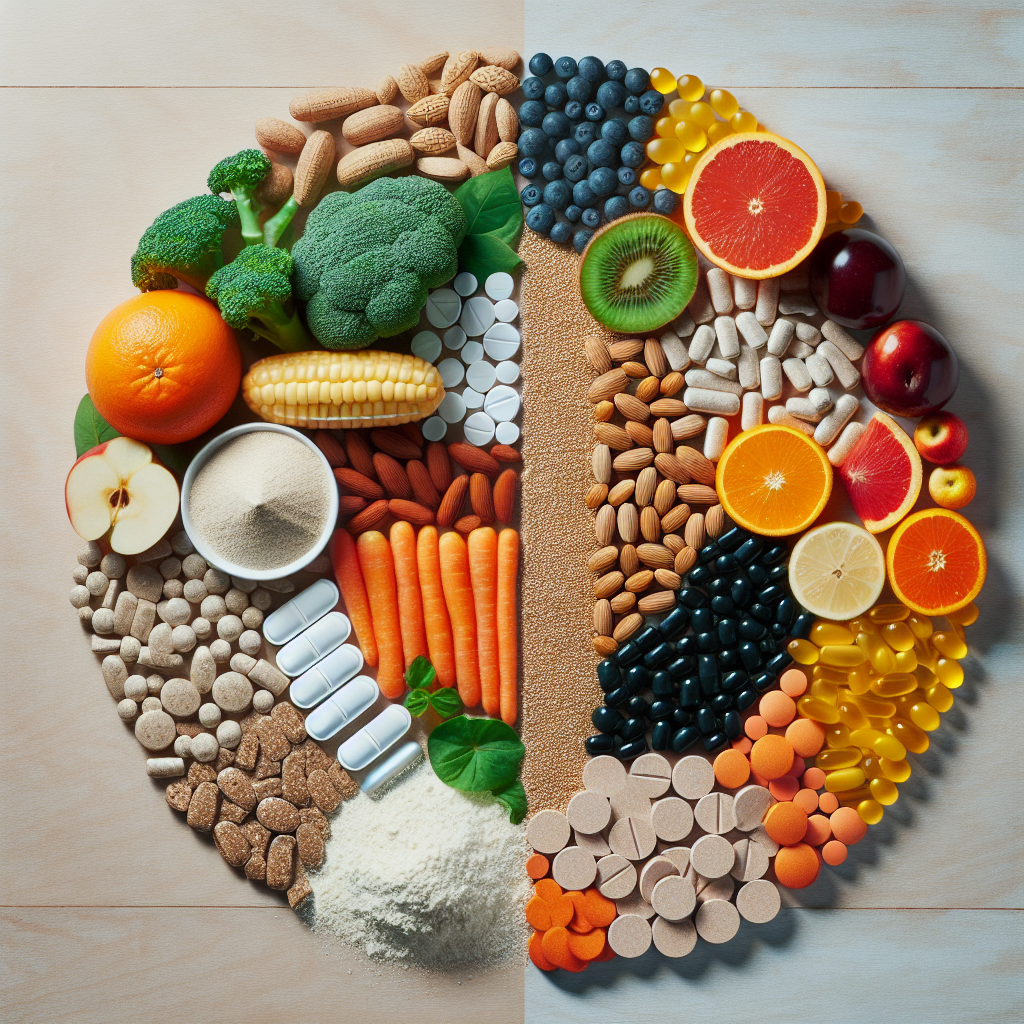
Understanding what constitutes an organic eating pattern is crucial. This approach typically includes fresh fruits, vegetables, whole grains, lean proteins, and fermented foods while avoiding additives, preservatives, and artificial ingredients. The focus on organic produce also means fewer pesticides and chemicals, which can exacerbate digestive issues for sensitive individuals. Prioritizing these foods can lead to improved gut flora, better nutrient absorption, and a reduction in symptoms associated with digestive disorders.
One common mistake many make is not recognizing that not all organic foods are equally beneficial. For instance, some organic processed foods can still contain high levels of sugar, salt, or unhealthy fats. Therefore, it is essential to focus on whole foods and pay attention to ingredient labels. Additionally, individuals should consider their unique digestive needs, as some may react differently to certain organic foods.
Understanding Organic Eating Patterns
Organic eating patterns focus on consuming foods that are grown and processed without synthetic fertilizers, pesticides, or genetically modified organisms (GMOs). This method emphasizes the importance of nutrient-dense foods that promote overall health. For individuals managing digestive disorders, the benefits of organic eating are particularly pronounced, as these foods often contain higher levels of vitamins and minerals essential for gut health.
Moreover, organic foods tend to be fresher and more flavorful, which can enhance the overall eating experience. Incorporating a variety of organic fruits and vegetables can help ensure a diverse intake of nutrients, facilitating better digestion and absorption. However, it’s vital to recognize that organic does not automatically mean healthy; the overall composition of the diet still matters significantly.
When transitioning to an organic eating pattern, individuals should start by identifying which foods they consume most frequently. Gradually replacing conventional items with organic alternatives can make the transition smoother and more sustainable. Additionally, considering seasonal and local organic produce can enhance the quality and freshness of the foods consumed.
Key Foods for Digestive Health
Incorporating specific organic foods can significantly enhance digestive health. Foods high in fiber, such as whole grains, legumes, fruits, and vegetables, are particularly beneficial as they promote regular bowel movements and prevent constipation. Fermented foods like yogurt, kefir, sauerkraut, and kimchi are rich in probiotics, which help maintain a healthy gut microbiome.
Additionally, healthy fats from sources like avocados, nuts, and seeds can aid in nutrient absorption and provide anti-inflammatory benefits. When selecting these foods, it’s crucial to choose organic options to minimize exposure to harmful chemicals and enhance nutritional value. Moreover, drinking plenty of water is essential when increasing fiber intake, as it helps prevent digestive discomfort.
It’s also important to note individual sensitivities. While many find relief from digestive issues by consuming high-fiber foods, others may need to gradually introduce these items to avoid exacerbating symptoms. Keeping a food diary can help track which foods contribute positively or negatively to digestive health.
Common Pitfalls in Organic Eating
While organic eating patterns offer numerous benefits, there are common pitfalls that can undermine their effectiveness, particularly for those with digestive disorders. One major issue is the misconception that all organic foods are healthy. Many organic snacks and processed items can contain high levels of sugars, unhealthy fats, or sodium, which can aggravate digestive issues.
Another pitfall is the potential for nutrient imbalance. Focusing too heavily on one food group or type of organic food may lead to deficiencies in essential nutrients. For instance, an over-reliance on organic grains without adequate fruits and vegetables can result in insufficient fiber and micronutrients.
Lastly, individuals might overlook the importance of preparation methods. Cooking organic foods improperly can diminish their nutritional value or exacerbate digestive discomfort. For example, overcooking vegetables can lead to nutrient loss and increased fiber breakdown, making them less beneficial for gut health.
Practical Tips for Implementing Organic Eating
Implementing organic eating patterns requires planning and commitment. Start by creating a shopping list focused on whole, organic foods. Prioritize purchasing fresh produce, whole grains, lean proteins, and healthy fats. Shopping at local farmers’ markets can also be a great way to access organic products while supporting local agriculture.
Meal prepping can help ensure that healthy organic meals are readily available, reducing the temptation to opt for processed or unhealthy options. Consider batch cooking soups, stews, or stir-fries that incorporate a variety of organic ingredients to maximize nutrient intake.
Lastly, educating oneself about the benefits of organic eating and staying informed about new research can help maintain motivation and commitment to this lifestyle. Joining online forums or local groups focused on organic eating can provide support and encouragement, making the transition easier and more enjoyable.
Further Reading
For those interested in exploring more about organic eating patterns and their impact on digestive health, consider checking out resources from reputable organizations focusing on nutrition and health.
Authoritative Sources
- Academy of Nutrition and Dietetics
eatright.orgThis site offers credible information on nutrition and dietary practices, including organic eating
- National Institutes of Health
ncbi.nlm.nih.govProvides access to research studies related to nutrition and health, including the benefits of organic foods
- USDA Organic Regulations
ams.usda.govDetails the standards and regulations governing organic food production
Frequently Asked Questions
What are the benefits of organic eating for digestive disorders?
Organic eating emphasizes whole foods that are rich in nutrients and probiotics, which can enhance gut health and reduce inflammation.
Are all organic foods good for digestive health?
No, not all organic foods are healthy. Processed organic foods can still contain high sugars and unhealthy fats.
How can I start an organic eating pattern?
Begin by incorporating more whole organic foods into your diet, such as fruits, vegetables, whole grains, and lean proteins.
Can organic foods help with IBS symptoms?
Many people with IBS find relief by consuming organic, high-fiber foods and probiotics, which can promote gut health.
What should I avoid when eating organic?
Avoid processed organic foods high in sugar, salt, and unhealthy fats, as they can still trigger digestive issues.
Conclusion
Incorporating organic eating patterns into your lifestyle can significantly benefit those managing digestive disorders. By focusing on whole, nutrient-rich foods and being mindful of food choices, individuals can improve their gut health and reduce symptoms. Prioritizing fresh fruits, vegetables, and fermented foods while avoiding processed options is key. As you navigate this journey, remember to listen to your body and adjust your diet based on what works best for you. Embrace the journey towards better health through informed and mindful eating practices.