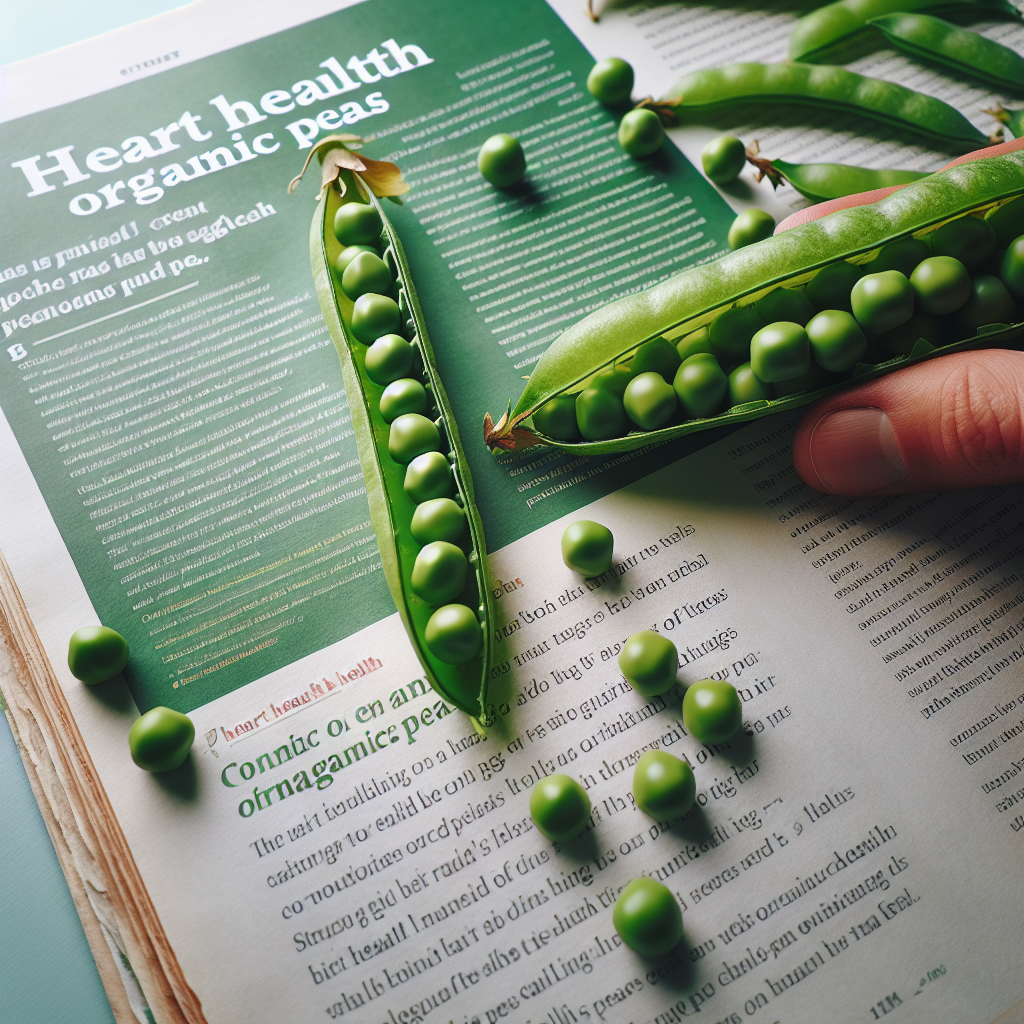
Starting a clean eating journey as a beginner can be overwhelming, especially when it comes to creating an organic vegetarian grocery list. The key is to focus on whole, unprocessed foods that are nutrient-dense and beneficial for your overall health. Essential items include a variety of fresh vegetables, fruits, whole grains, legumes, nuts, and healthy fats. By prioritizing these foods, you can ensure a balanced diet that supports your clean eating goals.
One common mistake beginners make is relying too heavily on pre-packaged vegetarian products, which can be high in sodium and preservatives. Instead, aim to fill your cart with a colorful selection of seasonal vegetables like spinach, carrots, and bell peppers, along with fruits such as apples, bananas, and berries. Whole grains like quinoa and brown rice are excellent staples that provide energy and fiber. Additionally, incorporating legumes like lentils and chickpeas will offer protein and essential nutrients.
Understanding the importance of variety is crucial. Not only does it enhance the nutritional profile of your meals, but it also keeps your diet exciting and satisfying. When creating your grocery list, consider planning meals around these core ingredients, allowing for creativity in how you prepare them. For instance, you can make hearty lentil soups, quinoa salads, or stir-fried vegetables, all of which are simple yet delicious ways to enjoy clean eating.
Building Your Organic Grocery List
Creating a grocery list tailored to clean eating involves selecting foods that are both organic and vegetarian. Start with a foundation of fresh produce, which should take up a significant portion of your list. Think leafy greens, cruciferous vegetables, and colorful fruits. These foods are packed with vitamins, minerals, and antioxidants that are crucial for health.
When shopping, prioritize seasonal and local produce to maximize freshness and taste. Organic options are best, as they are grown without synthetic pesticides and fertilizers. Additionally, consider including a variety of whole grains such as oats, barley, and millet, which provide essential carbohydrates and fiber.
As you build your list, remember to include items that you enjoy eating. This will help you stay committed to your clean eating journey. A diverse selection will not only enhance your meals but also encourage you to try new recipes. Remember to check for any allergens or dietary restrictions you may have while selecting your foods.
Key Food Groups for Clean Eating
Understanding the key food groups that support a clean eating lifestyle is essential. Focus on whole, minimally processed foods that provide the nutrients your body needs. This includes a variety of fruits and vegetables, whole grains, legumes, nuts, and seeds.
Fruits and vegetables should make up the bulk of your diet. Aim for a rainbow of colors to ensure a diverse nutrient intake. Whole grains like quinoa, brown rice, and whole wheat products are excellent sources of energy and fiber. Legumes such as beans, lentils, and peas are not only rich in protein but also provide essential vitamins and minerals.
Incorporating healthy fats is also crucial. Avocados, nuts, and seeds offer omega-3 fatty acids that are beneficial for heart health. These fats can also help you feel fuller longer, which is vital for maintaining a balanced diet. Remember, the goal is to create meals that are satisfying and nourishing.
Common Mistakes to Avoid
Many beginners fall into the trap of assuming that all vegetarian foods are healthy. However, not all plant-based products are created equal. It’s important to avoid highly processed vegetarian options that can be laden with additives and unhealthy fats.
Another mistake is neglecting meal planning. Without a plan, it’s easy to reach for convenience foods that may not align with clean eating principles. Take the time to plan your meals for the week, ensuring you have a balanced approach to nutrition. This will help you avoid last-minute unhealthy choices.
Additionally, be cautious of relying too heavily on grains and starchy vegetables. While they are healthy, overconsumption can lead to an unbalanced diet. Focus on incorporating a variety of food groups to meet your nutritional needs. Prioritize fresh produce and protein sources to maintain a well-rounded diet.
Meal Planning and Preparation Tips
Meal planning is a key strategy for maintaining a clean eating lifestyle. Start by dedicating a specific day each week to plan your meals. This will help you stay organized and ensure you have all the necessary ingredients on hand.
Consider batch cooking some staples, such as grains and legumes, to save time during the week. This allows you to quickly assemble meals without feeling rushed. Additionally, prepping vegetables in advance can make it easier to incorporate them into your daily meals.
Use your grocery list as a guide to create diverse and exciting meals. Try to incorporate different cooking methods, such as roasting, steaming, or stir-frying, to keep your meals interesting. Remember to listen to your body and adjust portion sizes based on your hunger levels and activity needs.
Further Reading
To deepen your understanding of organic vegetarian nutrition, consider exploring resources from reputable organizations and publications that focus on clean eating and plant-based diets.
Authoritative Sources
- Academy of Nutrition and Dietetics
eatright.orgThis resource provides evidence-based information on nutrition and healthy eating habits
- Choose My Plate
choosemyplate.govOffers guidance on building healthy meals and understanding food groups
- Vegetarian Society
vegetarian.comA comprehensive resource for vegetarian recipes and nutrition information
Frequently Asked Questions
What should I include in my organic vegetarian grocery list?
Your list should include a variety of fresh vegetables, fruits, whole grains, legumes, nuts, and healthy fats.
How can I avoid processed vegetarian foods?
Focus on whole, unprocessed ingredients and prepare meals from scratch using fresh produce and grains.
Why is meal planning important for clean eating?
Meal planning helps you stay organized, ensures you have healthy options available, and prevents last-minute unhealthy choices.
What are some common mistakes beginners make?
Beginners often rely too heavily on processed vegetarian products and neglect meal planning, leading to unhealthy eating habits.
How can I ensure a balanced diet?
Incorporate a variety of food groups, prioritize fresh produce, and pay attention to portion sizes based on your needs.
Conclusion
Creating an organic vegetarian grocery list for clean eating beginners involves selecting a variety of whole foods that provide essential nutrients. Focus on including fresh produce, whole grains, legumes, nuts, and healthy fats in your shopping. By avoiding processed vegetarian options and planning your meals, you can establish a balanced diet that supports your health goals. Remember, the journey to clean eating is about making informed choices and enjoying the process of discovering new, wholesome foods.