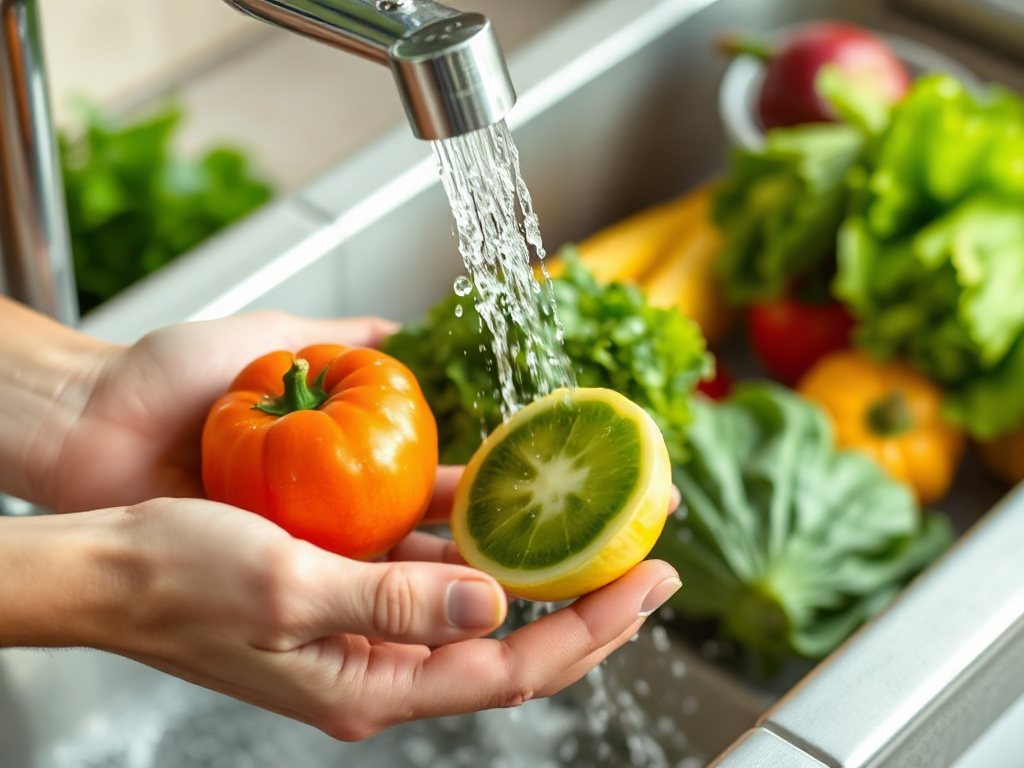
Washing organic fruits and vegetables is crucial to remove pesticides, dirt, and bacteria that can pose health risks. While organic produce is grown without synthetic pesticides, it may still carry residues from natural pesticides or contaminants from handling. Proper washing methods, such as using running water and scrubbing firm produce, can greatly reduce these risks and enhance the freshness and flavor of your food. Neglecting this step could lead to foodborne illnesses and diminish the nutritional benefits of your organic choices.
Why Washing Organic Produce Matters
Washing organic fruits and vegetables is essential for ensuring safety and enhancing freshness. Despite being grown without synthetic pesticides, organic produce can still harbor natural pesticide residues, dirt, and harmful bacteria. These contaminants can be introduced during various stages of the supply chain, from farming to transportation and handling. For instance, pathogens such as E. coli or Salmonella can thrive on fresh produce, leading to foodborne illnesses. Thus, washing helps mitigate these risks, making your meals safer and more enjoyable.
Moreover, washing can improve the sensory qualities of fruits and vegetables. Residues from soil or organic fertilizers can affect taste and texture. By thoroughly washing your produce, you not only make it safer to eat but also enhance its flavor and crispness, contributing to a more satisfying culinary experience.
Why Washing Organic Produce Matters matters because it turns the importance of washing organic fruits and vegetables from a broad idea into a decision the reader can actually apply. The practical difference usually shows up in the details: how much is needed, when the choice is made, what tradeoff is acceptable, and what sign shows the approach is working. For nutrition topics, the strongest advice connects portion size, food quality, timing, and recovery instead of treating every meal as a fixed serving.
A useful way to handle this section is to compare the normal baseline with the situation that creates extra demand. If washing is the baseline concern, then organic becomes the adjustment point and fruits becomes the outcome to watch. That keeps the advice specific without forcing the reader into a rigid formula that may not fit their routine, budget, tolerance, schedule, or current level of experience.
The most common mistake is changing too many variables at once. A better approach is to choose one measurable adjustment, use it consistently long enough to see a pattern, and then refine the next step based on energy, comfort, performance, safety, or reliability. This makes the guidance easier to trust because the reader can connect the recommendation to what they observe rather than guessing from a generic checklist.
The practical takeaway is to make the section actionable: identify the main constraint, choose the smallest useful change, and compare the result against the goal. When the outcome improves, the reader can keep the approach. When it does not, the next change should target the most likely bottleneck rather than repeating the same step with more effort.
Effective Washing Techniques
To maximize the benefits of washing, employing effective techniques is vital. Start by rinsing fruits and vegetables under cool, running water. This method is effective in removing dirt and microorganisms without the need for soaps or detergents, which can leave harmful residues. For firmer produce like potatoes or carrots, using a vegetable brush can help scrub away stubborn dirt and contaminants.
For leafy greens, such as lettuce or spinach, separating the leaves and rinsing them individually can ensure thorough cleaning. Soaking them in a bowl of water can also help dislodge hidden dirt, followed by a rinse under running water. Avoid using antibacterial soaps or commercial produce washes, as these are not recommended for food safety and may introduce harmful chemicals.
Effective Washing Techniques matters because it turns the importance of washing organic fruits and vegetables from a broad idea into a decision the reader can actually apply. The practical difference usually shows up in the details: how much is needed, when the choice is made, what tradeoff is acceptable, and what sign shows the approach is working. For nutrition topics, the strongest advice connects portion size, food quality, timing, and recovery instead of treating every meal as a fixed serving.
A useful way to handle this section is to compare the normal baseline with the situation that creates extra demand. If washing is the baseline concern, then fruits becomes the adjustment point and vegetables becomes the outcome to watch. That keeps the advice specific without forcing the reader into a rigid formula that may not fit their routine, budget, tolerance, schedule, or current level of experience.
The most common mistake is changing too many variables at once. A better approach is to choose one measurable adjustment, use it consistently long enough to see a pattern, and then refine the next step based on energy, comfort, performance, safety, or reliability. This makes the guidance easier to trust because the reader can connect the recommendation to what they observe rather than guessing from a generic checklist.
The practical takeaway is to make the section actionable: identify the main constraint, choose the smallest useful change, and compare the result against the goal. When the outcome improves, the reader can keep the approach. When it does not, the next change should target the most likely bottleneck rather than repeating the same step with more effort.
Common Misconceptions About Organic Washing
A prevalent misconception is that organic produce does not require washing due to the absence of synthetic pesticides. However, this is misleading. Organic farming uses natural pesticides that can still leave residues, and even organic produce can carry pathogens from handling or the environment. It is essential to wash all fruits and vegetables, regardless of their farming method.
Another misconception is that washing can completely eliminate all pesticide residues or pathogens. While washing significantly reduces these risks, it may not remove all contaminants. Therefore, it is crucial to combine washing with other safety practices, such as proper food handling and cooking techniques, to further minimize health risks.
Common Misconceptions About Organic Washing matters because it turns the importance of washing organic fruits and vegetables from a broad idea into a decision the reader can actually apply. The practical difference usually shows up in the details: how much is needed, when the choice is made, what tradeoff is acceptable, and what sign shows the approach is working. For nutrition topics, the strongest advice connects portion size, food quality, timing, and recovery instead of treating every meal as a fixed serving.
A useful way to handle this section is to compare the normal baseline with the situation that creates extra demand. If washing is the baseline concern, then organic becomes the adjustment point and fruits becomes the outcome to watch. That keeps the advice specific without forcing the reader into a rigid formula that may not fit their routine, budget, tolerance, schedule, or current level of experience.
The most common mistake is changing too many variables at once. A better approach is to choose one measurable adjustment, use it consistently long enough to see a pattern, and then refine the next step based on energy, comfort, performance, safety, or reliability. This makes the guidance easier to trust because the reader can connect the recommendation to what they observe rather than guessing from a generic checklist.
The Role of Water Quality in Washing
The quality of water used for washing produce plays a critical role in ensuring food safety. Using clean, potable water is essential to avoid introducing additional contaminants. If tap water quality is questionable, consider using filtered or bottled water for washing your fruits and vegetables.
Furthermore, the temperature of the water can also be important. Cold water is generally recommended for washing produce, as it is effective in rinsing away dirt and bacteria without affecting the texture or flavor of the produce. Hot water can cause damage to delicate fruits and vegetables, potentially compromising their freshness.
The Role of Water Quality in Washing matters because it turns the importance of washing organic fruits and vegetables from a broad idea into a decision the reader can actually apply. The practical difference usually shows up in the details: how much is needed, when the choice is made, what tradeoff is acceptable, and what sign shows the approach is working. For nutrition topics, the strongest advice connects portion size, food quality, timing, and recovery instead of treating every meal as a fixed serving.
A useful way to handle this section is to compare the normal baseline with the situation that creates extra demand. If water is the baseline concern, then washing becomes the adjustment point and fruits becomes the outcome to watch. That keeps the advice specific without forcing the reader into a rigid formula that may not fit their routine, budget, tolerance, schedule, or current level of experience.
The most common mistake is changing too many variables at once. A better approach is to choose one measurable adjustment, use it consistently long enough to see a pattern, and then refine the next step based on energy, comfort, performance, safety, or reliability. This makes the guidance easier to trust because the reader can connect the recommendation to what they observe rather than guessing from a generic checklist.
Frequently Asked Questions
Do I really need to wash organic produce?
Yes, washing organic produce is essential to remove dirt, bacteria, and natural pesticide residues, ensuring safety and enhancing flavor.
What is the best way to wash leafy greens?
Separate the leaves and rinse them under cool running water. Soaking in a bowl of water can help dislodge dirt before rinsing.
Can I use soap to wash my fruits and vegetables?
No, using soap is not recommended as it can leave harmful residues. Rinse with cool water instead.
Does washing eliminate all pesticide residues?
No, washing significantly reduces pesticide residues but may not remove them entirely. It’s important to combine washing with safe food handling.
Is filtered water necessary for washing produce?
Using clean, potable water is crucial. If tap water quality is questionable, consider using filtered or bottled water for washing.
Conclusion
Washing organic fruits and vegetables is a vital practice for ensuring safety and enhancing the overall quality of your food. By employing effective washing techniques and understanding the importance of this step, you can significantly reduce health risks associated with contaminants. Always remember that while washing is essential, it should be part of a broader approach to food safety that includes proper handling and cooking methods. Make washing your organic produce a routine part of your meal preparation to enjoy the full benefits of your fresh fruits and vegetables.