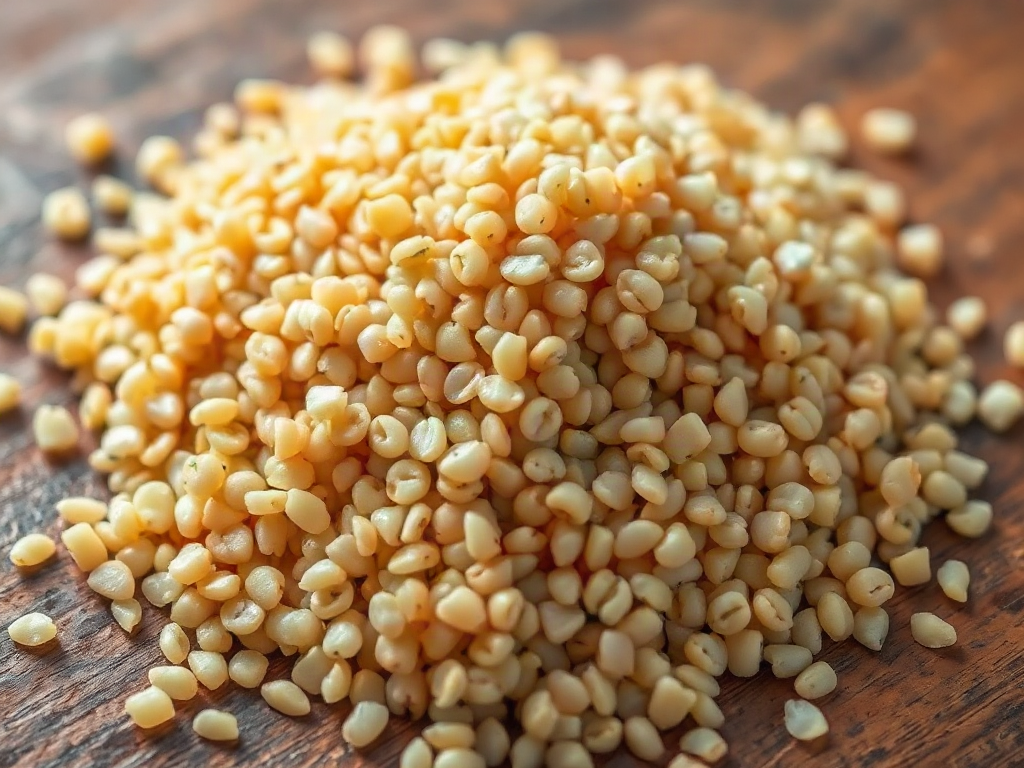
Quinoa nutrition combines carbohydrate, fiber, minerals, and all nine essential amino acids, while organic sourcing primarily addresses production standards rather than making the grain inherently more nutritious. Its protein is notable for a plant food because it contributes lysine, although serving size and total daily diet still determine whether protein needs are met. Rinsing removes residual bitter saponins, and careful cooking preserves texture without meaningfully turning quinoa into a high-protein substitute for legumes, eggs, dairy, fish, or meat. Choose certified organic quinoa when production methods matter to you, but also compare origin, processing, package integrity, price, and cross-contact labeling.
What Does Quinoa Contribute Nutritionally?
Quinoa is a seed used like a whole grain, and its nutritional role is best judged as part of a meal rather than by a single headline nutrient. Cooked quinoa supplies mostly carbohydrate, along with fiber, protein, unsaturated fat, and minerals such as magnesium, phosphorus, manganese, iron, and zinc. Exact values vary with the variety, brand, preparation method, and amount of water retained after cooking.
Its combination of starch, fiber, and protein can make quinoa more substantial than a plate built around a highly refined grain alone. For example, a bowl containing quinoa, roasted vegetables, chickpeas, and a tahini dressing has several complementary components: quinoa provides energy and texture, chickpeas increase protein and fiber, vegetables add volume and micronutrients, and tahini contributes fat. Quinoa strengthens that meal, but it is not solely responsible for its nutritional quality.
Portion interpretation matters because dry and cooked measurements are not interchangeable. Quinoa absorbs water and expands during cooking, so a cup of cooked quinoa is much less concentrated than a cup of dry seeds. Comparing a dry-label serving with a cooked bowl can therefore produce misleading conclusions about calories or protein. Use the preparation basis stated on the package or in a nutrient database, and measure consistently if intake tracking matters.
Quinoa is naturally gluten-free, but that fact does not guarantee every packaged product is appropriate for someone who must avoid gluten. Farming, transport, milling, packing, and bulk-bin handling can introduce contact with gluten-containing grains. People with celiac disease or a medically necessary gluten-free diet should look for a relevant gluten-free claim or certification and consider the manufacturer’s cross-contact information rather than relying only on the ingredient name.
A common mistake is treating quinoa as a concentrated protein food. It contains more protein than some cooked grain choices, yet cooked quinoa still delivers substantial carbohydrate and water by weight. Someone trying to increase meal protein would generally get a more meaningful result by pairing it with lentils, tofu, eggs, yogurt, fish, poultry, or another suitable protein source. The practical sign that quinoa is being used well is a balanced plate with enough food for the person’s needs, not merely replacing rice spoon for spoon and expecting a dramatic nutritional change.
Is Quinoa a Complete Protein?
Quinoa is commonly described as a complete protein because it contains all nine amino acids that adults must obtain through food. That description is useful, but it can be misunderstood. “Complete” identifies the presence of essential amino acids; it does not mean quinoa contains them in unlimited amounts, matches every animal protein gram for gram, or provides enough total protein in an ordinary serving for every person.
Lysine is particularly relevant when quinoa is compared with many cereal grains, which tend to be relatively low in this amino acid. Quinoa’s lysine contribution gives it a more balanced amino acid pattern than foods such as white rice or refined wheat when each is considered alone. Methionine and cysteine, the sulfur-containing amino acids, also need to be considered when looking at an entire diet. Protein quality reflects both amino acid proportions and digestibility, not simply whether each amino acid appears on a laboratory profile.
The body combines amino acids from foods eaten across the day. Healthy adults generally do not need to match complementary plant proteins at every mouthful. A quinoa lunch and a bean-based dinner can both contribute to the same daily amino acid pool. People with higher protein needs, restricted diets, low appetites, or medical nutrition requirements may need more deliberate planning, however, because total intake can become limiting even when individual foods have favorable amino acid profiles.
Consider two lunches. Quinoa with cucumber, herbs, and lemon has fresh flavor but may remain modest in protein. Adding edamame, lentils, chicken, tuna, or feta changes the meal’s protein quantity more than merely increasing the quinoa garnish. For a plant-based option, quinoa with black beans is practical not because the foods must be consumed together for “completion,” but because the combination increases total protein, broadens the amino acid supply, and adds fiber and meal volume.
The weak assumption to avoid is that complete protein means nutritionally complete food. Quinoa does not by itself cover all dietary needs, and its iron and zinc are present in a plant matrix that can affect how much is absorbed. Diet variety remains the more reliable priority. Use quinoa as one protein-contributing staple, then select additional foods according to appetite, dietary pattern, allergies, budget, and any advice received from a qualified clinician or dietitian.
How Do Rinsing and Cooking Change Quinoa?
Rinsing mainly improves quinoa’s flavor by removing residual saponins from the seed surface. Saponins can taste bitter or soapy, although commercially packed quinoa is often washed or polished before sale. A fine-mesh strainer is useful because the small seeds can pass through an ordinary colander. Rinse under cool water while moving the seeds with your fingers, then drain well before cooking.
Excessive rinsing is not a nutritional upgrade, and soaking is optional rather than mandatory. If a package says the quinoa is pre-rinsed, an additional brief rinse may still suit taste preferences, but prolonged washing wastes water and can make handling inconvenient. A persistent chemical, rancid, or musty smell should not be treated as a normal saponin issue; check the storage date and package condition, and discard a product that appears spoiled.
Cooking gelatinizes the starch and softens the seed, making quinoa palatable and easier to use in meals. Water ratio and time vary among white, red, black, and blended varieties, as well as between stovetop and pressure-cooking methods. Package directions are the best starting point. After the liquid is absorbed, a short covered rest lets moisture distribute more evenly; fluffing with a fork then separates the grains. Mushy quinoa usually results from excess liquid, aggressive stirring, or cooking beyond the point at which the seeds are tender.
White quinoa generally cooks to a softer texture, while red and black types often remain firmer. That difference can guide the purchase: white quinoa works well in porridge or as a soft side, whereas darker varieties may hold their shape better in chilled salads. Nutrient differences among colors should not be exaggerated without product-specific evidence. Choosing a texture that makes the food enjoyable and usable is usually more valuable than assuming one color is categorically superior.
Preparation also affects meal composition. Cooking quinoa in salty broth can raise sodium, while adding butter or oil changes energy density. Conversely, combining it with vitamin C-rich foods such as bell peppers, tomatoes, or citrus provides a more varied meal and may help the body use non-heme iron from plant foods. Signs of successful preparation are a clean, mild flavor and tender seeds with visible curled germs. Bitterness suggests more rinsing may be needed next time; a wet, porridge-like result points to adjusting liquid or cooking time rather than changing brands immediately.
What Does Organic Sourcing Mean for Quinoa?
Certified organic quinoa is produced and handled under an organic standard verified through a certification system. In the United States, an organic claim on packaged food is governed by USDA requirements covering approved production and handling practices. Certification is about how the crop is grown, processed, documented, and labeled; it should not be interpreted as proof that the finished quinoa contains more protein, a better amino acid profile, or superior mineral levels.
Organic and conventional quinoa can both be sound choices. Nutrient composition is influenced by variety, soil, climate, maturity, processing, storage, and cooking, so the farming label alone cannot predict the exact nutrient content of a bag. Organic production also does not mean no pest-management substances are used. It means operations must follow the inputs and practices allowed by the applicable organic rules. Shoppers primarily concerned with pesticide residues should avoid replacing a regulated certification concept with an absolute “pesticide-free” assumption.
Sourcing includes issues that the organic seal does not fully answer. Quinoa may pass through growers, cooperatives, processors, exporters, importers, and packers before reaching a store. Country of origin, lot traceability, cleaning practices, labor and trading claims, and environmental commitments are separate questions. Terms such as fair trade or regenerative describe different goals and require their own substantiation; they are not synonyms for organic.
A shopper comparing two bags might find one certified organic product with little origin information and one conventional product that identifies a producer group and processing location. The better choice depends on the priority. Choose the organic option when adherence to organic production rules is the deciding factor. Give more weight to traceability or a credible social certification when supply-chain transparency is the main concern. If budget is tight, conventional quinoa still offers the basic food and amino acid characteristics associated with the seed.
Package claims should be checked for the name or mark of a recognized certifier, not inferred from green packaging, the word “natural,” or farm imagery. Bulk quinoa creates another constraint: certification and allergen information may be displayed on a bin rather than carried home. Photographing the bin label can preserve cooking, origin, and certification details. Organic status is a sourcing preference with a defined production meaning, not a substitute for freshness, food-safety handling, dietary fit, or a balanced diet.
How to Choose Quinoa for Your Priorities
A useful quinoa purchase starts with the job the food needs to perform. For a quick weeknight side, pre-rinsed white quinoa may justify a slightly higher price. For meal-prep salads, a red, black, or tricolor blend may provide the firmer texture desired after refrigeration. Organic certification matters when production standards are a purchasing priority, while gluten-free certification deserves separate attention when cross-contact poses a health concern.
Use a compact label check rather than letting one front-of-package claim dominate the decision:
- Confirm the product form: Plain quinoa offers more control than seasoned pouches, which may contain added sodium, oils, sweeteners, or allergens.
- Match certification to the goal: Look for organic verification for organic production and a separate gluten-free claim when medically relevant.
- Check origin and traceability: Prefer clear country, processor, lot, or producer information when supply-chain visibility matters.
- Inspect freshness: Choose intact packaging and store the seeds sealed away from heat, moisture, and strong odors.
- Compare usable cost: Consider cooking time, expected waste, and serving yield rather than package price alone.
Plain dry quinoa is usually the most flexible format, but convenience products can be sensible when time or kitchen access is limited. Ready-to-eat pouches reduce preparation, although their ingredient lists and sodium levels may differ substantially. Quinoa flour serves a different purpose and cannot be substituted cup for cup in every baking recipe because it lacks gluten and has a distinctive flavor. Quinoa flakes cook quickly for breakfast but do not provide the same separate-grain texture.
Buying a large bag can lower unit cost, yet it is poor value if the product sits open long enough to develop stale aromas. Households trying quinoa for the first time should begin with a smaller package and test a basic preparation. If the result tastes bitter, refine the rinsing process. If the family dislikes the texture, try a different color, toast the drained seeds briefly before adding water, or use a smaller amount in a mixed grain dish.
The purchase is working when the quinoa fits meals regularly, cooks predictably, and supports the intended dietary pattern without displacing needed protein or vegetables. It is failing when certification claims are mistaken for nutrient guarantees, a bulk purchase goes unused, or quinoa is expected to serve as the only protein in meals with higher requirements. Let dietary need, certification relevance, preparation time, and actual use determine the choice—not the number of wellness claims printed on the front.
Conclusion
Quinoa earns a place in varied diets because it combines a useful amino acid pattern with carbohydrate, fiber, unsaturated fat, and several minerals. Its “complete protein” label should remain in perspective: ordinary cooked portions contribute protein but may still need support from beans, tofu, eggs, dairy, fish, meat, or other protein-rich foods.
Prioritize preparation and purchasing details that affect actual use. Rinse when needed, follow package-specific cooking directions, and choose a color suited to the desired texture. Treat organic certification as verified information about production practices, not a promise of superior nutrition. Then check ingredient lists, origin details, freshness, cross-contact statements, convenience, and cost. The best package is the one whose claims match your priorities and whose contents will become balanced meals rather than an unused pantry purchase.
Frequently Asked Questions
Does quinoa contain all essential amino acids?
Yes. Quinoa contains all nine essential amino acids, including lysine. Its total protein per cooked serving is still moderate, so it should be treated as a protein-contributing staple rather than a concentrated protein source.
Is organic quinoa more nutritious than conventional quinoa?
Organic certification does not by itself establish higher protein, mineral, or amino acid content. It verifies compliance with defined production and handling standards; variety, growing conditions, processing, and preparation also affect composition.
Does quinoa need to be rinsed before cooking?
A brief rinse in a fine-mesh strainer can remove remaining bitter saponins. Some packaged quinoa is pre-rinsed, so check the label and use taste as a practical guide.
Is quinoa safe for a gluten-free diet?
Quinoa is naturally gluten-free, but cross-contact can occur during growing, processing, packing, or bulk handling. People who require strict avoidance should seek suitable gluten-free labeling and review manufacturer information.
Which quinoa color should I buy?
White quinoa tends to become softer, while red and black quinoa often retain a firmer bite. Choose by recipe and texture preference rather than assuming that color alone guarantees a major nutritional advantage.