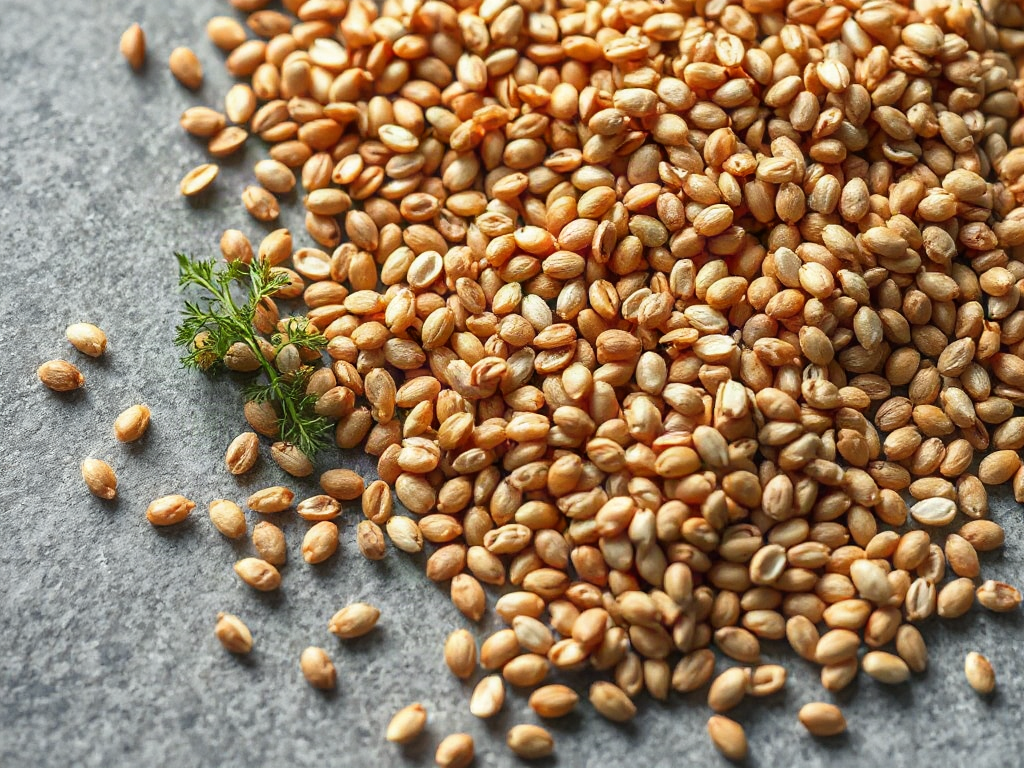
Flaxseed nutrition centers on alpha-linolenic acid (ALA), fiber, lignans, protein, and minerals, while organic sourcing mainly addresses production standards rather than proving a nutritional advantage. Ground flaxseed is generally more useful than whole seeds because grinding makes its fats and other components easier to access during digestion. ALA is a plant-based omega-3 fat, but the body converts only a limited portion into the longer-chain EPA and DHA found in marine foods. Choose freshly milled or well-sealed ground flax, check organic certification rather than relying on front-label wording, and refrigerate it after opening to slow oxidation.
What Nutrients Does Flaxseed Provide?
Flaxseed is nutritionally distinctive because it combines unsaturated fat, dietary fiber, plant protein, lignans, and several minerals in a small serving. Its best-known fat is alpha-linolenic acid, or ALA, an essential omega-3 that must come from food. The seed also contains both soluble and insoluble fiber. These fiber types behave differently in the digestive tract, but together they can contribute to stool bulk, slower digestion, and greater meal satisfaction.
Lignans are another defining component. Flax contains lignan precursors that intestinal bacteria can transform into other compounds. Research continues to examine their relationship with cardiovascular and hormone-related outcomes, but flaxseed should not be presented as a treatment for any condition. The practical advantage is simpler: ground flax adds several nutrient classes at once, unlike purified flax oil, which supplies fat but almost no fiber, protein, or lignans.
A typical food use is one or two spoonfuls of ground flax stirred into oatmeal, yogurt, soup, or a smoothie. Exact nutrient totals vary by cultivar, growing conditions, serving weight, and database entry, so a package Nutrition Facts panel is more useful than assuming every spoonful is identical. Flax should complement rather than displace foods that provide nutrients it lacks. For example, adding it to plain yogurt combines its fiber and ALA with the yogurt’s protein and calcium; mixing it into oatmeal adds texture and fat to a carbohydrate-rich breakfast.
A common mistake is treating a small sprinkle as a complete nutritional solution. Flaxseed does not supply meaningful EPA or DHA, and it is not a substitute for a varied diet. Larger amounts are not automatically better either. A rapid increase in fiber may produce bloating, gas, or changes in bowel habits, especially when fluid intake is low or the person is not accustomed to fiber-rich foods.
Practical use should begin with a modest amount incorporated into a familiar meal. Increase gradually based on comfort, drink adequate fluids, and judge the result by tolerability and consistency rather than by using the largest possible serving. Anyone with swallowing difficulty, significant gastrointestinal disease, or medication-related concerns should ask a qualified clinician whether concentrated flax products fit their circumstances.
How Does Flaxseed Omega-3 Differ From Fish Oil?
Flaxseed and oily fish provide different forms of omega-3 fat. Flax supplies ALA, while fish and many algae-derived products provide EPA, DHA, or both. The body can convert ALA into EPA and then DHA, but conversion is limited and varies among individuals. For that reason, equal weights of ALA and marine omega-3s should not be treated as nutritionally interchangeable.
ALA still has a legitimate role in the diet. It is an essential fatty acid and offers a plant-based option for people who do not eat fish. Whole ground flax also brings fiber and lignans that fish oil capsules do not contain. The tradeoff is that relying exclusively on flax may not meet a person’s reason for seeking preformed EPA or DHA. Someone choosing food for general dietary variety faces a different decision from a person whose clinician has recommended a particular omega-3 product for a defined medical reason.
The comparison becomes clearer when the intended use is specified:
| Option | Main Omega-3 Form | Other Nutritional Features | Practical Limitation |
|---|---|---|---|
| Ground flaxseed | ALA | Fiber, lignans, protein, and minerals | ALA conversion to EPA and DHA is limited |
| Flaxseed oil | ALA | Concentrated unsaturated fat | Little or no fiber and unsuitable for high-heat cooking |
| Oily fish | EPA and DHA | Protein and food-specific micronutrients | Not suitable for vegan diets; species and preparation matter |
| Algae oil | DHA and sometimes EPA | Direct plant-origin alternative to fish-derived oils | Formulation and cost vary by product |
A weak assumption is that any package displaying “omega-3” provides the same physiological compounds. The ingredient list and supplement facts or Nutrition Facts panel reveal whether the product contains ALA, EPA, DHA, or a combination. That distinction matters more than the prominence of an omega-3 claim on the front of the package.
For routine food use, flax can be one component of a broader fat pattern that includes nuts, seeds, olive oil, and, where appropriate, fish or algae-derived sources. Supplements deserve more caution because concentrated oils can interact with medications or complicate clinical decisions. People considering them for elevated triglycerides, pregnancy, cardiovascular disease, or another health concern should seek individualized advice rather than extrapolating from the nutrient profile of ground seed.
Should You Choose Whole Flaxseed, Ground Flaxseed, or Oil?
Ground flaxseed is usually the most practical form when the goal is to obtain the seed’s fat, fiber, and lignans together. Whole seeds may pass through the digestive tract without being fully broken down, particularly when they are swallowed with little chewing. Grinding disrupts the hard seed coat, but it also exposes the oils to oxygen, heat, and light, making storage more important.
Whole flax has the longest practical storage advantage and can be milled shortly before use in a clean coffee or spice grinder. Pre-ground flax is more convenient and easier to use consistently, although it should come in packaging that limits light and air exposure. Flax oil is appropriate when someone specifically wants an ALA-rich liquid fat, but it removes the feature many people seek from flax: the intact seed’s fiber-rich food matrix.
These forms also behave differently in a kitchen. Ground flax can thicken oatmeal, blend into yogurt, or help bind some baked mixtures when combined with water. It may alter texture and should not be assumed to replace eggs perfectly in every recipe. Flax oil works better in dressings or on food after cooking than in frying or other high-heat applications. Whole seeds add crunch, but their visible presence does not guarantee that the nutrients inside were fully accessed.
Use this compact buying and storage checklist:
- Match the form to the purpose: ground seed for broad nutrition, whole seed for grinding as needed, or oil for concentrated ALA.
- Inspect the package: favor intact, well-sealed packaging with a clear date and storage directions.
- Limit exposure: close the container promptly and keep ground flax or oil refrigerated after opening when directed.
- Check aroma and flavor: discard products with a distinctly stale, paint-like, bitter, or otherwise unpleasant odor or taste.
- Buy a usable quantity: a smaller package finished regularly may be better than a bulk supply stored for months.
The most frequent failure is buying a large bag of ground seed and leaving it near a warm stove in a loosely closed package. Oxidation can degrade sensory quality before the product is used up. A practical sign that the approach is working is simple: the flax remains mild-smelling, is consumed routinely, and does not cause digestive discomfort. Persistent off-flavors, clumping from moisture, or a container that sits unused indicate that a smaller package or whole-seed format would be a better fit.
How to Evaluate Organic Flaxseed and Its Sourcing
Organic certification concerns how flax is produced and handled; it does not establish that the seed contains more ALA, fiber, or lignans than a comparable conventional product. In the United States, a certified organic claim is tied to USDA organic requirements and oversight by accredited certifiers. A vague phrase such as “naturally grown” does not carry the same defined meaning.
Buyers should separate three questions that packaging often blends together: Was the crop certified organic? Can the seller identify where it was grown or processed? Is the finished product fresh and appropriately packaged? Certification can answer the first question, while country-of-origin statements, lot information, processor details, and customer service transparency help with the second. None of those details, by themselves, prove freshness; the package date, seal, storage history, and sensory condition remain relevant.
Organic production restricts certain inputs, but “organic” should not be read as “pesticide-free,” “locally grown,” “minimally processed,” or “nutritionally superior.” Organic farms may use permitted pest-management materials, and certified flax may travel a considerable distance before milling and sale. Conversely, a conventional product may offer strong traceability, recent milling, and protective packaging. The better purchase depends on which attribute matters most to the buyer.
Consider a shopper choosing between bulk-bin organic flax meal and conventionally grown ground flax in an opaque, dated, sealed pouch. The organic option satisfies a production preference, but repeated exposure to air, light, scoops, and uncertain turnover may weaken its freshness advantage. The sealed product may offer better protection even without organic certification. A third option—certified organic whole seed in a sealed package—could satisfy both priorities if the shopper is willing to grind it at home.
Price deserves similar discipline. Paying more for certification may align with a household’s farming and input preferences, but a higher price is not evidence of greater omega-3 content. Compare products by unit price, form, package size, certification mark, origin information, and expected time to finish the package. Do not pay for claims that cannot be verified from the label or seller.
A sound priority order is to choose an edible form you will use, verify certification if organic production matters, prefer protective packaging and credible traceability, and store the product correctly. A bargain that becomes rancid or remains unused offers poor value regardless of how the crop was grown.
Conclusion
Choose flax according to the nutrient form, product condition, and sourcing information that matter for your diet. Ground seed offers the broadest combination of ALA, fiber, lignans, protein, and minerals, while flax oil concentrates the fat and whole seed provides a useful grind-as-needed option. None should be assumed to deliver the EPA and DHA supplied directly by fish or certain algae oils.
When organic production is a priority, look for recognized certification rather than suggestive front-label language. Then evaluate freshness, package protection, origin details, and the quantity you can finish promptly. Store the product away from heat, light, moisture, and unnecessary air exposure. Start with a modest addition to a familiar meal, monitor digestive comfort and flavor, and adjust the form or package size if the product goes stale or remains unused.
Frequently Asked Questions
Is ground flaxseed better than whole flaxseed?
Ground flax is generally easier to digest because milling opens the seed coat. Whole seed stores well and can be ground shortly before eating, but seeds swallowed intact may pass through without releasing all their contents.
Can flaxseed replace fish as an omega-3 source?
Flax provides ALA rather than the EPA and DHA found in fish. Because conversion is limited, it should not automatically be treated as an equivalent replacement when preformed EPA or DHA is the goal.
Does organic flaxseed have more omega-3 fat?
Organic certification does not guarantee a higher ALA level. Nutrient content can vary, but certification primarily verifies production and handling practices rather than nutritional superiority.
Should ground flaxseed be refrigerated?
Refrigeration in a tightly closed container can reduce exposure to heat and slow quality loss after opening. Follow the manufacturer's storage directions and discard flax that develops a stale or sharply unpleasant smell or taste.
Can flaxseed be eaten every day?
Many people use a modest amount regularly, but tolerance and dietary needs differ. Increase it gradually, consume adequate fluid, and seek professional advice if you have swallowing problems, gastrointestinal disease, or medication concerns.