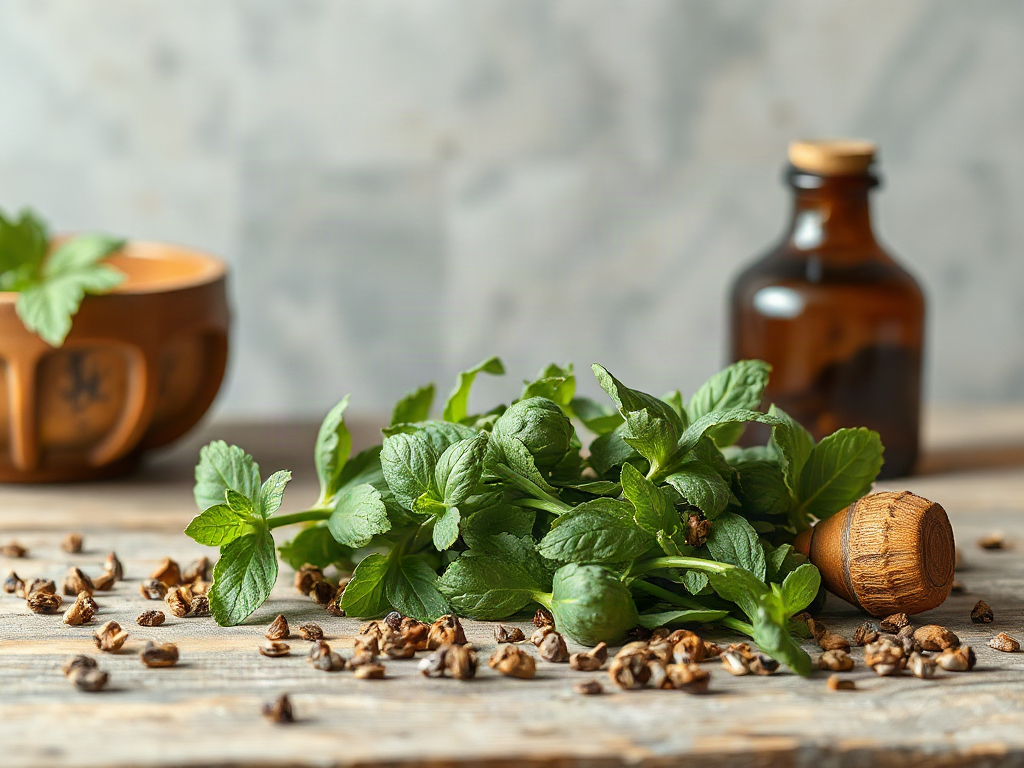
Organic herbs bring concentrated flavor and nutrients to meals through aromatic oils, pigments, and compounds such as vitamin K, carotenoids, and polyphenols. Use tender herbs raw or near the end of cooking, while adding sturdy herbs earlier so their flavors can disperse through soups, sauces, and roasted foods. A generous handful of parsley, basil, cilantro, or dill contributes more culinary and nutritional value than a token garnish. Freshness, usable quantity, and preparation usually matter more than the organic label alone; bruising, prolonged heat, and poor storage reduce quality.
Why Do Herbs Deliver So Much Flavor?
Culinary herbs are flavorful because their leaves contain volatile aromatic compounds that reach the nose as the plant tissue is cut, torn, crushed, or heated. Basil has a sweet, peppery character; cilantro brings citrus-like and grassy notes; rosemary contributes pine-like aromas; and mint supplies a cooling sensation. These differences let a small amount reshape a dish without relying entirely on salt, sugar, or heavy sauces.
The concentration perceived in a meal depends on more than the amount added. Chopping exposes more surface area and releases aroma quickly, but those exposed compounds can also dissipate. Crushing rosemary or thyme before adding it to a braise helps its flavor enter the cooking liquid. Finely slicing basil an hour before serving, by contrast, encourages bruising and aroma loss. Preparation should therefore match the moment when the herb will be used.
Fat and water also influence how flavor moves through food. Stirring chopped herbs into olive oil, yogurt, or tahini spreads their aromatic compounds over vegetables, grains, or proteins. Simmering sturdy stems and leaves in broth distributes other flavor components through the liquid. An herb-rich parsley sauce can make roasted cauliflower taste vivid throughout each bite, whereas a few intact parsley leaves used as decoration provide isolated bursts of flavor.
Fresh herbs and dried herbs are not interchangeable measures of the same ingredient. Drying removes water and changes the aromatic profile, leaving a more concentrated product by volume but often fewer fresh, bright notes. Dried oregano works well in tomato sauce because time and moisture allow it to rehydrate. Fresh oregano can taste sharper and is better added with more restraint. Tender cilantro and parsley generally lose much of their defining freshness when dried, while rosemary, thyme, sage, and oregano remain useful pantry ingredients.
A common failure is treating every herb as a finishing garnish. That approach wastes the slow-release qualities of woody herbs and underuses tender herbs by adding too little. Decide whether the dish needs a background flavor or a fresh top note. Use thyme or rosemary during cooking for the background, then finish with parsley, dill, basil, mint, or cilantro for lift. Taste after each addition because growing conditions, age, and variety can make one bunch more assertive than another.
Which Nutrients Do Culinary Herbs Contribute?
Fresh leafy herbs can contribute vitamin K, carotenoids, vitamin C, folate, and varied polyphenols, although the exact profile differs by species and portion. Parsley is associated with vitamin K and vitamin C, while basil and cilantro provide vitamin K and carotenoid pigments. Because herbs are often eaten in small amounts, their practical contribution depends heavily on whether they are used as a substantial ingredient or as a decorative pinch.
A spoonful of chopped parsley has a different dietary role from a parsley-heavy tabbouleh, chimichurri, or green sauce. The larger portion supplies more plant material, yet it remains part of the meal rather than a replacement for vegetables, fruit, legumes, whole grains, or other nutrient-dense foods. Nutrient databases such as USDA FoodData Central can clarify the difference between a teaspoon, a cup, fresh leaves, and dried products without implying that any single herb guarantees a health outcome.
Organic certification concerns how an agricultural product is grown and handled under defined standards; it does not create a fixed nutrient level. Variety, soil, sunlight, harvest maturity, transport, storage, and laboratory methods can all affect measured composition. Research comparing organic and conventionally grown foods does not justify assuming that every organic bunch contains more of every nutrient. Buy organic herbs when that production method aligns with your priorities, but judge edible quality through freshness, aroma, condition, and how much you can realistically use.
Whole culinary herbs also differ from concentrated extracts and essential oils. Eating basil leaves in pesto provides plant tissue and culinary portions. Swallowing basil essential oil exposes a person to a very different concentration and safety context. Essential oils should not be treated as interchangeable with food, and herbal supplements may interact with medicines or carry restrictions that ordinary recipe amounts do not. Anyone using anticoagulants or managing a condition affected by vitamin K intake should seek individualized clinical advice rather than suddenly changing intake based on a nutrient claim.
The useful goal is dietary variety, not maximum concentration. Rotate parsley, cilantro, basil, dill, mint, chives, thyme, and rosemary according to the meal. Pairing herbs with beans, vegetables, eggs, fish, poultry, or whole grains can make minimally processed foods more appealing while contributing modest amounts of micronutrients and plant compounds. Signs of a sound approach are regular use, varied choices, and portions that improve the food. Chasing one supposedly superior herb or expecting a garnish to correct an otherwise limited diet is a weak nutritional strategy.
How Should Herbs Be Matched to Cooking Methods?
Cooking time should be chosen according to the herb’s structure and the flavor wanted in the finished meal. Sturdy herbs such as rosemary, thyme, sage, and bay tolerate extended contact with heat and moisture. Tender herbs such as basil, dill, mint, parsley, cilantro, and chives usually retain more of their recognizable aroma when added late, reserved for serving, or divided between cooking and finishing.
For a pot of white beans, thyme sprigs can simmer with the beans while chopped parsley is folded in after cooking. The thyme develops a savory foundation; the parsley adds a fresh contrast. In a tomato sauce, dried oregano can enter early, while fresh basil can be stirred in shortly before serving. With roasted carrots, rosemary may roast on the tray, but a yogurt sauce containing mint is better kept cool. These layered uses produce more complexity than adding every herb at the same point.
A compact method for using herbs effectively is:
- Identify the herb’s texture. Firm needles, thick leaves, and woody stems generally suit longer cooking; soft leaves usually suit shorter exposure.
- Choose a background or finishing role. Add early for integrated flavor and late for a brighter aroma.
- Prepare close to use. Wash and dry leaves, then chop only when the dish is nearly ready.
- Add enough to taste. Increase fresh tender herbs gradually rather than limiting them to a token garnish.
- Balance the dish. Acid, salt, fat, and heat can alter how strongly an herb is perceived, so make final adjustments together.
Heat can soften harshness, but prolonged cooking can flatten delicate aromas and affect heat-sensitive nutrients. Raw use preserves a fresher sensory profile, yet raw is not automatically better for every dish. Sage may seem coarse and forceful when scattered raw over squash but becomes rounded when gently cooked in fat. Rosemary needles can be unpleasant if left large; chopping them finely or infusing whole sprigs and removing them improves texture.
More is not always better. Excess rosemary, sage, or raw oregano can dominate a meal, while large amounts of mint may pull a savory dish in an unintended direction. Start conservatively with forceful herbs and be more generous with mild parsley, chives, or cilantro when appropriate. If a dish tastes dull after herbs are added, check salt and acidity before adding another handful. If it tastes bitter, medicinal, or perfume-like, dilution with the base ingredients is usually more effective than trying to mask the excess.
Buying, Storing, and Preparing Herbs
Usable freshness is the best first buying criterion because aroma and condition determine whether the herbs will reach the plate. Look for leaves with a distinct scent, lively color, and no widespread slime, dark collapse, or yellowing. Some harmless variation in leaf size or shape is normal. A large package is poor value if half deteriorates before use, even when its unit price appears lower.
Organic herbs may be sold loose, in bunches, in rigid packages, or as living plants. Bunches suit cooks planning sauces, salads, or batch meals. Small packaged quantities reduce waste for occasional use but usually cost more per ounce. A potted basil or mint plant can be practical when there is adequate light and a willingness to water it, though a crowded supermarket pot may not thrive indefinitely. The best format is the one that matches the next several meals rather than an idealized cooking routine.
Refrigeration and moisture control slow deterioration, but different herbs respond differently. Parsley and cilantro can be kept with their cut stem ends in a container holding a little clean water, loosely covered in the refrigerator; replace the water if it becomes cloudy. Dill and chives often keep well wrapped loosely with a slightly damp towel inside a container. Basil is sensitive to chilling and may darken in a cold refrigerator, so short room-temperature storage with stems in water may be more suitable. Keep leaves away from direct heat and sunlight.
Wash herbs under clean running water before use, discarding damaged material. Drying matters because excess surface water dilutes dressings and accelerates bruising during chopping. A salad spinner works for sturdy leafy bunches; gentle blotting is better for delicate dill or basil. Avoid washing far ahead unless the leaves can be dried thoroughly and stored with enough airflow to prevent trapped condensation.
Freezing is useful when texture is no longer important. Chopped parsley, cilantro, dill, or basil can be frozen for soups, sauces, and cooked dishes, but thawed leaves will not resemble fresh garnish. Herb-and-oil portions may be convenient for cooking, provided they are frozen promptly rather than stored casually at room temperature. Drying suits thyme, rosemary, oregano, sage, and mint better than tender chives or cilantro. Store dried leaves away from heat, light, and moisture, and replace them when aroma becomes faint rather than relying only on a printed date.
Plan purchases around two or three specific uses. A bunch of cilantro might serve black beans, a cabbage slaw, and a yogurt sauce; parsley can move from grain salad to lentil soup and then into a garlic-rich sauce. If stems are tender, chop them into the dish instead of discarding them. Tougher stems can flavor broth before removal. A working system is evident when leaves stay aromatic and most of the package is eaten; repeated sliminess, wilting, or unopened containers signal that smaller quantities or frozen herbs would be the better choice.
Conclusion
Herbs earn a larger role in cooking when they are treated as ingredients rather than decoration. Prioritize fragrant, intact leaves; buy an amount linked to planned meals; and match timing to texture. Sturdy rosemary, thyme, and sage can build flavor during cooking, while basil, parsley, cilantro, dill, mint, and chives are usually most expressive near the finish.
Use organic certification as one purchasing consideration, not as a guarantee of superior nutrient content or freshness. A varied handful incorporated into sauces, grain dishes, beans, vegetables, or soups has more practical value than a neglected package or token garnish. Begin with one bunch that fits several meals, store it correctly, and note whether aroma, texture, and waste improve. That simple feedback provides a better buying strategy than choosing herbs by label alone.
Frequently Asked Questions
Are organic herbs more nutritious than conventional herbs?
Not consistently. Nutrient levels vary with species, variety, growing conditions, harvest timing, and storage. Organic certification identifies a production system, while freshness and the amount actually eaten often have greater practical influence on a meal.
Are fresh herbs better than dried herbs?
Neither form is universally better. Fresh herbs provide bright aromas and leafy texture, while dried rosemary, thyme, oregano, and sage are convenient for longer cooking. Choose according to the dish rather than treating one form as nutritionally or culinarily superior.
When should fresh herbs be added during cooking?
Add tender basil, cilantro, dill, mint, parsley, and chives near the end or at serving. Rosemary, thyme, sage, and bay can usually cook longer, although reserving a small fresh portion can add contrast.
Can herb stems be eaten?
Tender parsley, cilantro, basil, and dill stems can be finely chopped into sauces, salads, and soups. Woody rosemary or thyme stems are generally used for infusion and removed before serving.
What is the best way to prevent herb waste?
Assign each bunch to several meals, store it according to the herb, and freeze leftovers before deterioration begins. Buying a smaller package is more economical when a large bunch routinely becomes slimy or wilted.