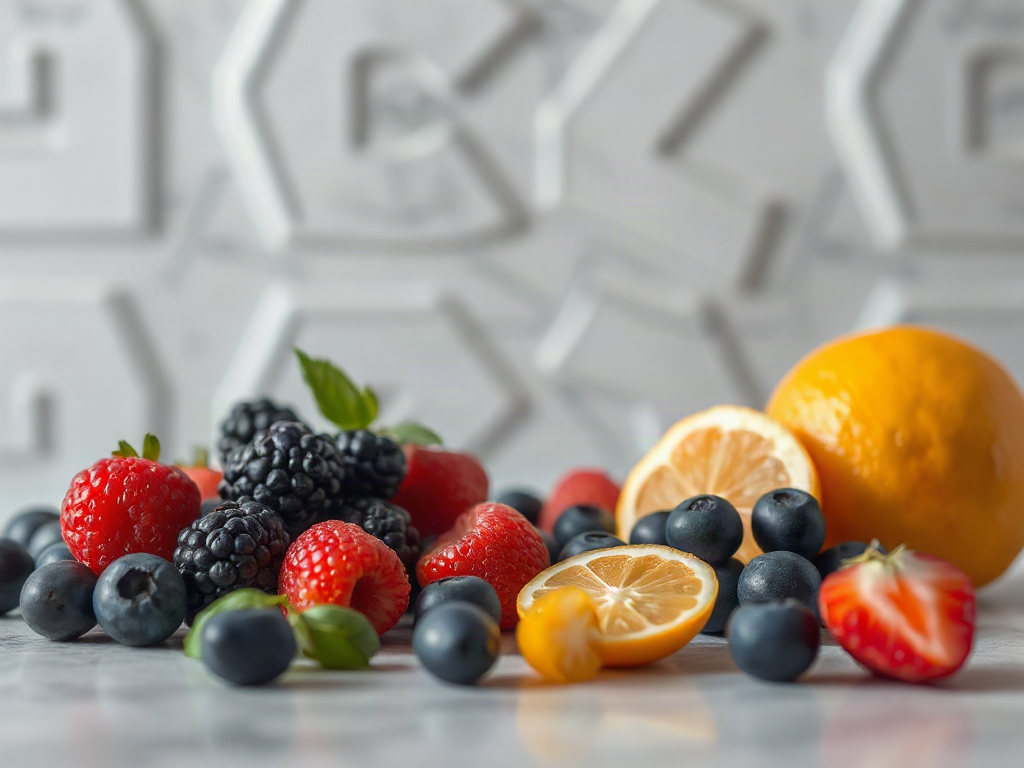
Organic berries and citrus both supply antioxidants, but neither group is universally better: berries generally offer more anthocyanins and other polyphenols, while citrus is especially useful for vitamin C and citrus flavanones. Blueberries, blackberries, raspberries, oranges, grapefruit, and mandarins provide different compounds, so eating both creates broader dietary variety than choosing one winner. Organic certification describes farming practices; it does not guarantee higher antioxidant content because cultivar, ripeness, storage, and processing also affect nutrient levels. Prioritize fresh or properly frozen whole fruit, rotate colors and types, and limit juices or sweetened dried products that remove fiber or concentrate sugar.
How Do Their Antioxidant Profiles Differ?
Berries and citrus differ more in the kinds of antioxidant compounds they provide than in whether they qualify as antioxidant-rich foods. Dark blue, purple, and red berries contain pigments called anthocyanins, alongside other polyphenols such as ellagitannins and flavonols. Citrus fruit contributes vitamin C plus flavanones, including compounds associated with oranges, mandarins, lemons, and grapefruit. These chemical differences make dietary variety more useful than treating antioxidant value as a single score.
Antioxidants participate in reactions involving unstable molecules, but food should not be evaluated as though it were a concentrated antioxidant treatment. Whole fruit delivers compounds within a matrix of water, fiber, carbohydrate, organic acids, and many micronutrients. Digestion and metabolism transform plant compounds, and a high laboratory antioxidant reading does not directly predict a specific health outcome in a person. For that reason, rankings based on a single test can make small compositional differences look more decisive than they are.
| Fruit group | Notable compounds | Practical strengths | Important limitation |
|---|---|---|---|
| Blue and purple berries | Anthocyanins and other polyphenols | Easy to add to oats, yogurt, or frozen blends | Fresh fruit can be expensive and perishable |
| Red berries | Anthocyanins, ellagitannins, and vitamin C | Seeds and pulp retain fiber in whole fruit | Sweetened sauces and preserves are not equivalent |
| Oranges and mandarins | Vitamin C and citrus flavanones | Portable, widely available, and protected by peel | Juice provides less fiber than intact segments |
| Grapefruit and lemons | Vitamin C and varied flavanones | Useful for adding acidity and flavor to meals | Grapefruit can interact with certain medicines |
A bowl of mixed blueberries and raspberries emphasizes colorful polyphenols, while an orange offers a convenient vitamin C-rich package. Neither example captures every relevant compound. Someone who already eats berries most mornings may gain more dietary diversity by adding mandarins than by buying another berry variety. Conversely, a person who drinks orange juice but rarely eats dark-colored produce may find whole blackberries or frozen blueberries a more meaningful addition.
The common mistake is declaring a winner from color, vitamin C content, or a commercial antioxidant score alone. A smarter comparison asks which compounds and food forms are currently missing from the diet. Rotate dark berries, red berries, oranges, and other citrus rather than relying on one highly promoted fruit. That approach broadens exposure to plant compounds without assigning therapeutic power to any single food.
Does Organic Production Change Antioxidant Content?
Organic certification controls specified production and handling practices, but it is not a nutrient-content guarantee. Antioxidant levels can vary with fruit variety, growing conditions, maturity at harvest, weather, handling, and the time between harvest and eating. Those variables can create differences between two packages bearing the same certification, just as they can between two conventionally grown crops.
Plant stress and cultivation methods may influence the formation of some protective compounds, which helps explain why research sometimes finds compositional differences between production systems. Results are not uniform across every berry, citrus variety, farm, season, or antioxidant. A finding about one compound in one cultivar should not be converted into the blanket claim that all organic fruit contains more antioxidants. Certification also does not reveal whether a strawberry was harvested fully ripe or whether an orange spent an extended period in storage.
Freshness can matter in practical purchasing decisions. A locally available conventional berry in good condition may be a better everyday choice than an organic package that is leaking, moldy, or already breaking down. Citrus is less fragile because its peel limits physical damage and moisture loss, although prolonged storage can still affect quality. Frozen organic berries can offer a useful compromise when fresh organic berries are costly or spoil before they are eaten.
Use a short priority check at the store:
- Choose a form you will eat: uneaten fruit provides no nutritional advantage.
- Inspect quality: reject berries with visible mold, wet collapse, or fermented odors; avoid citrus with deep soft spots or extensive decay.
- Compare total cost: account for edible portions and likely waste, not only the package price.
- Use organic certification according to your priorities: treat it as a production choice rather than proof of superior antioxidant value.
A household that regularly discards half a carton of fresh organic raspberries may get better value from frozen berries portioned directly from the freezer. Someone who prefers organic farming standards and can buy good-quality fruit within budget has a valid reason to choose certified products. The weak assumption is that paying the organic premium automatically delivers a predictable nutritional increase. Quality, variety, storage, and consistent consumption remain central to the comparison.
How Do Whole, Frozen, Juiced, and Dried Forms Compare?
The form of the fruit often changes its practical nutritional role more than the organic label does. Whole berries and peeled citrus segments retain fiber and require chewing, which slows consumption and makes portion size easier to notice. Juice removes much of the intact fiber structure, while drying removes water and concentrates the fruit into a smaller volume. Sweeteners added during processing further change the product.
Frozen berries are not merely a fallback for fresh fruit. They are commonly frozen near the point of processing and can remain useful for months when kept consistently frozen. Their texture softens after thawing, but that is rarely a problem in porridge, yogurt, smoothies, or cooked fruit toppings. Check the ingredient list: a bag containing only blueberries or a berry blend is different from a frozen dessert mixture with syrup.
Whole citrus is usually the more practical everyday option than citrus juice because the segments retain fiber and are consumed more slowly. Juice can still contribute vitamin C and plant compounds, but a glass is easy to drink quickly and may contain the juice of several fruits. It should not be assumed to have the same effect on fullness as eating those fruits. Lemon or lime juice used as a seasoning is a different scenario; its value is often culinary, helping make beans, vegetables, fish, or grain dishes more appealing rather than serving as a major fruit portion.
Dried berries require close label reading. Cranberries and some other tart berries are frequently sweetened, and the compact serving can be consumed rapidly. Freeze-dried berries may have no added sugar and preserve much of the original fruit material, but they lack the water that contributes volume. Marmalades, jams, berry syrups, and fruit snacks are similarly poor stand-ins for whole fruit when added sugars dominate the product.
Storage failures also erase expected benefits through waste. Refrigerate delicate fresh berries promptly, keep them dry until close to use, and discard moldy fruit rather than tasting around visible growth. Store intact citrus in a cool place or refrigerate it for longer keeping, depending on how quickly it will be used. If fresh berries repeatedly spoil, buy smaller cartons or switch part of the purchase to frozen fruit. Signs that the approach is working are simple: fruit is eaten regularly, waste declines, and sweetened fruit products are not displacing intact options.
Which Fruit Fits Your Meals and Priorities?
The better choice is the fruit that fills a genuine dietary and practical gap. Berries suit meals where small portions can be scattered or mixed, while citrus works well as a portable snack or a bright component in savory dishes. Using each where it performs best makes variety easier to sustain than forcing one group into every meal.
For breakfast, frozen blueberries can be stirred into hot oats, raspberries can accompany plain yogurt, and sliced strawberries can add sweetness to unsweetened cereal. At lunch, a mandarin travels better than delicate berries and comes in its own protective peel. At dinner, orange segments can complement a cabbage or fennel salad, while lemon juice can sharpen lentils or roasted vegetables. These uses provide different plant compounds while reducing dependence on juices, powders, or supplements marketed around antioxidant claims.
Budget changes the decision. Fresh raspberries and blackberries often have a short usable life, so their price should be judged against likely spoilage. Frozen mixed berries make portion control straightforward and can be economical when out-of-season fresh fruit is expensive. Oranges and grapefruit often store longer than fresh berries, though prices vary by season and location. Organic buyers can compare the cost per usable serving and reserve fresh premium berries for occasions when texture matters.
Personal constraints deserve equal weight. Citrus acidity can be uncomfortable for some people, and berry seeds may not suit every digestive or dental need. Grapefruit and its juice can alter the handling of certain prescription medicines; people taking medication should check the medicine information or ask a pharmacist rather than assuming a small serving is harmless. Food is not a substitute for medical care, and neither berries nor citrus should be presented as treating oxidative stress, cardiovascular disease, cancer, or another condition.
A workable weekly pattern might pair frozen berries with several breakfasts and use whole oranges or mandarins for portable snacks, then change the specific varieties as availability shifts. The goal is not a rigid quota or an antioxidant maximum. Look for repeatable habits: multiple fruit colors appear across the week, most servings remain whole or minimally processed, and purchases are finished before they deteriorate. If cost, spoilage, or preparation effort causes the plan to fail, simplify it rather than chasing a theoretically superior fruit.
Conclusion
Choose berries for their varied pigments and polyphenols, citrus for its vitamin C, flavanones, portability, and culinary acidity, and both for a broader whole-food pattern. Organic certification can align with farming preferences, but it should not be treated as a reliable antioxidant ranking. Condition, ripeness, storage, processing, price, and the likelihood that the fruit will actually be eaten deserve equal attention.
A practical next purchase could include one unsweetened frozen berry option and one whole citrus option. Use the berries in breakfasts or snacks and keep citrus available for portable eating or meal preparation. Review the result after the food is gone: low waste, minimal added sugar, and repeatable use matter more than selecting a single antioxidant champion. Anyone taking medication that may interact with grapefruit should resolve that question with a pharmacist before adding it routinely.
Frequently Asked Questions
Are berries higher in antioxidants than oranges?
Many dark berries are especially rich in anthocyanins and related polyphenols, while oranges are notable for vitamin C and citrus flavanones. The answer changes with the compound being measured, so a single antioxidant ranking is not a complete nutritional comparison.
Does buying organic fruit guarantee more antioxidants?
No. Organic certification addresses production methods, not a guaranteed nutrient level. Cultivar, ripeness, weather, handling, and storage can all influence antioxidant content.
Are frozen organic berries a good alternative to fresh berries?
Yes. Unsweetened frozen berries are practical for oats, yogurt, sauces, and blended foods, especially when fresh berries are expensive or prone to spoilage. Choose packages listing fruit without syrup or added sugar.
Is orange juice equivalent to eating an orange?
No. Juice supplies vitamin C and citrus compounds but has less intact fiber and is easier to consume quickly. Whole orange segments generally provide more texture and fullness.
Can grapefruit be eaten with prescription medication?
Grapefruit interacts with some medicines but not all. Check the medication label and ask a pharmacist or prescribing clinician for advice specific to the drug rather than guessing based on serving size.