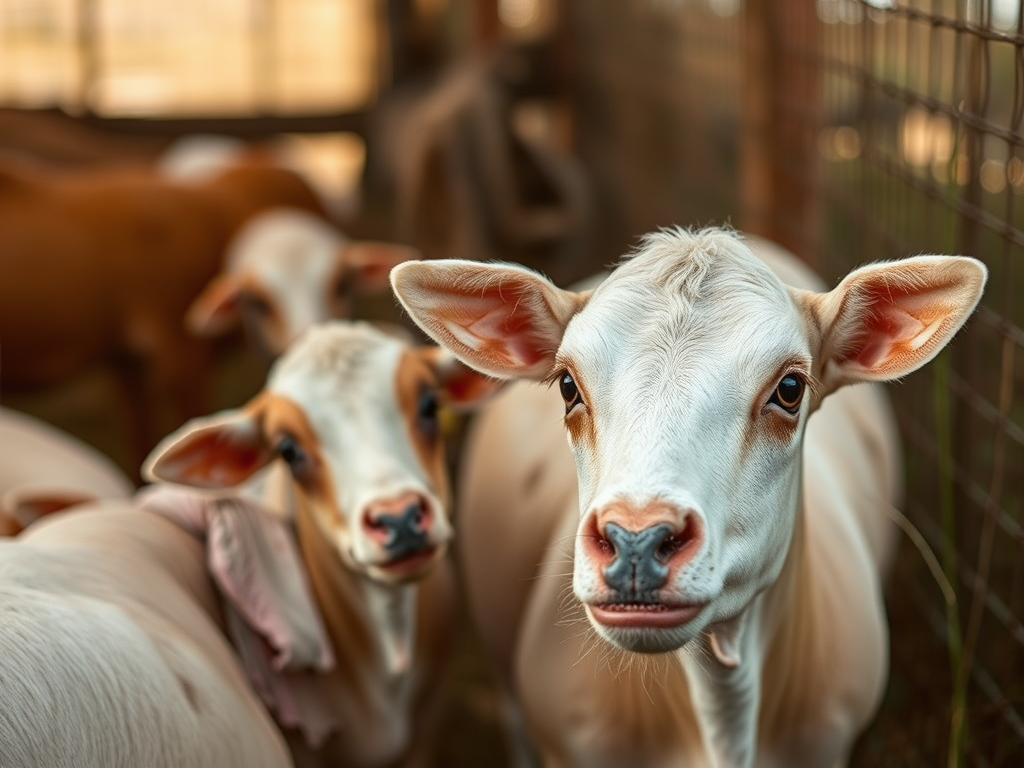
Overview of Organic Certification
Organic certification is a process that ensures agricultural products meet specific standards set by regulatory bodies. These standards typically cover various aspects of farming, including the use of synthetic pesticides, fertilizers, and genetically modified organisms (GMOs). The aim is to promote sustainable farming practices that support environmental health and biodiversity. In many regions, organic certification also extends to animal husbandry, ensuring that livestock is raised under conditions that uphold certain welfare standards.
Understanding organic certification is essential for consumers who prioritize not only their health but also the ethical treatment of animals. While organic labels can indicate higher standards compared to conventional farming, they do not always guarantee comprehensive animal welfare. This complexity necessitates a closer look at the specific practices associated with organic certification.
Animal Welfare Standards in Organic Practices
Animal welfare standards within organic certification can vary significantly depending on the certifying body and regional regulations. In the United States, the USDA organic standards stipulate that organic livestock must have access to the outdoors, which is a fundamental requirement aimed at ensuring the well-being of the animals. Additionally, these animals must be provided with organic feed, free from antibiotics and growth hormones.
However, while these standards ensure a baseline level of animal welfare, they may not encompass all aspects of humane treatment. For example, the size of outdoor spaces and the quality of living conditions are not uniformly regulated. Some organic farms may provide more robust welfare practices, such as better space allowances and enriched environments, while others may only meet the minimum requirements. Therefore, consumers who are concerned about animal welfare should investigate the practices of specific brands beyond the organic label.
Regional Differences in Certification
Certification standards for organic products can differ widely between countries, reflecting varying cultural attitudes towards farming and animal welfare. For example, the European Union has more stringent regulations regarding animal welfare in organic farming compared to the U.S. In Europe, the standards require that animals not only have outdoor access but also live in conditions that allow for natural behaviors, such as foraging and social interaction.
These differences highlight the complexity of organic certification as it relates to animal welfare. Consumers who prioritize ethical treatment of animals may find that European organic products align more closely with their values. Understanding these regional standards is crucial for making informed purchasing decisions, especially for those who are conscious about the ethical implications of their food choices.
Consumer Considerations and Brand Transparency
For consumers looking to support animal welfare through their purchasing choices, transparency is key. Not all organic brands provide clear information about their animal husbandry practices. Therefore, consumers should seek out brands that openly share details about their farming methods, including housing conditions, outdoor access, and the treatment of their animals.
Additionally, third-party certifications and animal welfare ratings can help consumers navigate the options available in the marketplace. Organizations dedicated to animal welfare often provide resources to assess which brands meet higher welfare standards. By prioritizing brands that demonstrate commitment to animal welfare, consumers can make choices that align with their ethical beliefs while still enjoying the benefits of organic products.
Conclusion
Understanding the relationship between organic certification and animal welfare standards is essential for consumers who want to make informed choices. While organic certification does include certain welfare requirements, these can vary significantly by region and individual farm practices. It is crucial to prioritize brands that demonstrate transparency in their animal husbandry methods and to seek out additional resources that clarify the standards being applied. Consumers have the power to influence better practices in agriculture by supporting brands committed to high animal welfare standards.
Frequently Asked Questions
How can I ensure a brand meets high animal welfare standards?
Research brands and look for certifications or ratings from animal welfare organizations.
Are European organic standards stricter than those in the U.S.?
Yes, European organic standards generally include more comprehensive animal welfare requirements.
What should I look for on labels to support animal welfare?
Look for certifications that specify animal welfare practices and transparency in farming methods.
Further Reading
Further Reading
Authoritative Sources
- Organic Community Welcomes the Release of New Animal ...
nationalorganiccoalition.orgOrganic certification is voluntary – producers who certify to organic standards agree to strict requirements to protect the environment, human ...
- Is Organic Food More Humane?
labelsunwrapped.orgUSDA's National Organic Program currently does not include meaningful animal welfare standards that protect animals and meet consumer expectations.
- Farm Animal Welfare Certification Guide
cafs.vermontlaw.eduThese programs develop animal welfare standards covering various aspects of farm animal husbandry, including breeding, birth, food and water, health management,
- The “USDA Organic” Label and Farm Animal Welfare
aspca.orgIn order to use the USDA Organic Seal, meat, egg and dairy producers must follow production standards set by the U.S. Department of Agriculture. Currently, ...