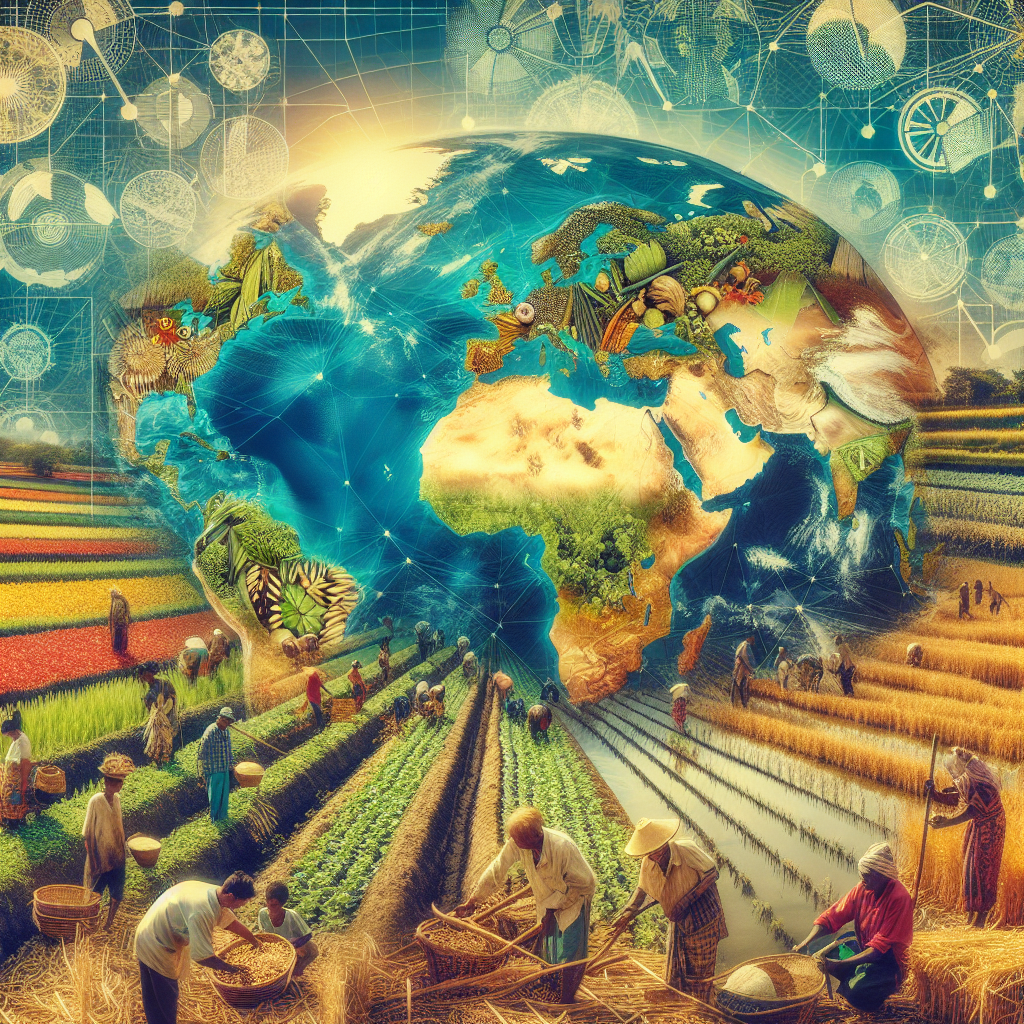
Yes, organic food can contain more antioxidants than conventional food, largely due to differences in farming practices. Organic crops are often grown in healthier soils and without synthetic fertilizers or pesticides, which can enhance their antioxidant profiles.
Understanding the nuances behind antioxidant levels in organic versus conventional foods is crucial for consumers aiming to maximize their nutrient intake. Antioxidants play a significant role in combating oxidative stress and reducing the risk of chronic diseases. Factors such as soil health, crop variety, and farming methods can all influence the antioxidant content. Notably, organic farming practices, which focus on sustainability and ecological balance, may lead to higher antioxidant concentrations. However, it’s essential to consider that not all organic foods are created equal.
One common mistake is assuming all organic produce is significantly richer in antioxidants without considering specific varieties or growing conditions. For instance, heirloom varieties of fruits and vegetables may naturally have higher antioxidant levels compared to their conventional counterparts, regardless of organic certification. Therefore, consumers should prioritize sourcing diverse organic produce while also considering local options, as freshness can impact nutrient levels.
==> Click Here for the best Certified Organic Product available - at a huge discount!
Understanding Antioxidants
Antioxidants are compounds that help neutralize free radicals in the body, thereby preventing cellular damage. They are found in various foods, especially fruits and vegetables, and are crucial for maintaining good health. The primary antioxidants include vitamins C and E, beta-carotene, and flavonoids. Foods rich in these compounds can contribute to reducing the risk of diseases like cancer and heart disease.
When considering whether organic food has more antioxidants, it’s vital to understand that the antioxidant content can depend on the specific type of food and its growing conditions. For example, certain organic berries may have higher levels of anthocyanins, a type of antioxidant, compared to conventionally grown berries. Moreover, the ripeness at harvest and post-harvest handling can also influence antioxidant levels.
Consumers often overlook the impact of food variety on antioxidant levels. Different varieties of the same fruit or vegetable can have significantly different antioxidant profiles. For instance, heirloom tomatoes are known for their rich flavor and higher antioxidant content compared to standard varieties. Therefore, selecting diverse organic produce can enhance overall antioxidant intake.
Impact of Farming Practices on Antioxidants
The farming practices used in organic agriculture can significantly affect the antioxidant levels in food. Organic farming emphasizes the use of natural fertilizers and pest control methods, which can lead to healthier soil and plants. Healthier soils often produce plants that are more resilient and nutrient-dense.
Research indicates that organic crops may have higher concentrations of antioxidants compared to conventional crops due to lower exposure to synthetic pesticides and fertilizers. These chemicals can inhibit the plant’s ability to produce certain beneficial compounds, including antioxidants. Additionally, organic farming methods often promote biodiversity, which can contribute to more robust plant health and nutrient profiles.
However, it’s crucial to recognize that the benefits of organic farming can vary based on specific practices and environmental conditions. For instance, organic farms in nutrient-rich soils may produce crops with significantly higher antioxidant levels than those grown in depleted soils. Thus, consumers should prioritize sourcing organic produce from reputable farms that employ sustainable practices.
Comparative Studies on Antioxidant Levels
Numerous studies have compared the antioxidant levels in organic and conventional foods, often revealing that organic produce tends to have higher antioxidant content. A meta-analysis published in the British Journal of Nutrition found that organic crops had significantly higher levels of phenolic compounds, which are key antioxidants.
While these findings are promising, variability exists among different crops. For example, organic fruits like apples and berries have shown consistent results in higher antioxidant levels, while results for vegetables can vary more widely. Factors such as climate, soil quality, and cultivation methods all play a role in these differences.
Consumers should also be aware that while organic foods tend to have higher antioxidant levels, the actual health benefits may depend on overall dietary patterns rather than individual food choices. A well-rounded diet rich in various fruits, vegetables, whole grains, and lean proteins will ultimately be more beneficial than focusing solely on antioxidant content.
Maximizing Antioxidant Intake from Organic Foods
To maximize antioxidant intake from organic foods, consumers should focus on variety and freshness. Incorporating a diverse range of organic fruits and vegetables into your diet can help ensure a higher intake of various antioxidants. Foods like berries, leafy greens, and colorful vegetables are particularly rich in these beneficial compounds.
Additionally, purchasing seasonal and locally grown organic produce can enhance nutrient content. Foods that are harvested at their peak ripeness tend to have higher antioxidant levels than those that are picked early for shipping. Joining a local CSA (Community Supported Agriculture) or visiting farmers’ markets can provide access to fresh organic produce.
Moreover, preparation methods can influence antioxidant availability. Cooking can enhance the bioavailability of some antioxidants while reducing others. For example, steaming vegetables can preserve their antioxidant content better than boiling. Consumers should consider both the variety of foods and the methods of preparation to optimize their antioxidant intake.

==> Need an Energy Boost? Click Here for the best Organic Product available - at a huge discount!
Further Reading
Authoritative Sources
- Antioxidant Activity of Organic and Conventional Foods: A Meta-Analysis
ncbi.nlm.nih.govThis study provides a comprehensive analysis of the differences in antioxidant levels between organic and conventional foods
- Impact of Organic Farming on Antioxidant Levels
sciencedirect.comA detailed examination of how organic farming practices influence the nutritional quality of crops
Frequently Asked Questions
Do all organic foods have more antioxidants?
No, not all organic foods contain more antioxidants. The levels can vary significantly depending on the type of food, growing conditions, and specific farming practices.
How can I ensure I’m getting the most antioxidants?
To maximize antioxidant intake, include a variety of colorful fruits and vegetables in your diet, and choose seasonal and locally sourced produce whenever possible.
Are organic foods worth the higher price?
While organic foods often come at a premium, many consumers find value in the potential health benefits, including higher antioxidant levels and lower exposure to chemicals.
Can cooking affect antioxidant levels?
Yes, cooking methods can influence antioxidant levels. Steaming, for example, can preserve more antioxidants compared to boiling, which may leach them into water.
Is it better to eat organic or conventional?
Choosing between organic and conventional foods depends on personal preferences and health goals. Organic foods may offer higher antioxidant levels, but a balanced diet rich in various produce is more important.
Conclusion
In summary, organic food can indeed contain more antioxidants than conventional options, primarily due to the farming practices involved. However, the extent of this difference varies by crop and environmental factors. To maximize your antioxidant intake, focus on consuming a diverse range of organic fruits and vegetables, prioritize local and seasonal produce, and consider cooking methods that preserve nutrients. Ultimately, maintaining a balanced diet rich in variety is key to reaping the health benefits associated with antioxidants.
Related Content
- How Organic Nutrition Can Help Combat Depression
- The Ultimate Guide to 10 Effective healthy organic dinner ideas for 2025
- The One Thing You Need to Know About Organic Foods
- Optimize Your Daily Diet with Organic Fruits and Vegetables (2025)
- “Exploring the Nutritional Benefits of Organic Plant-Based Diets”