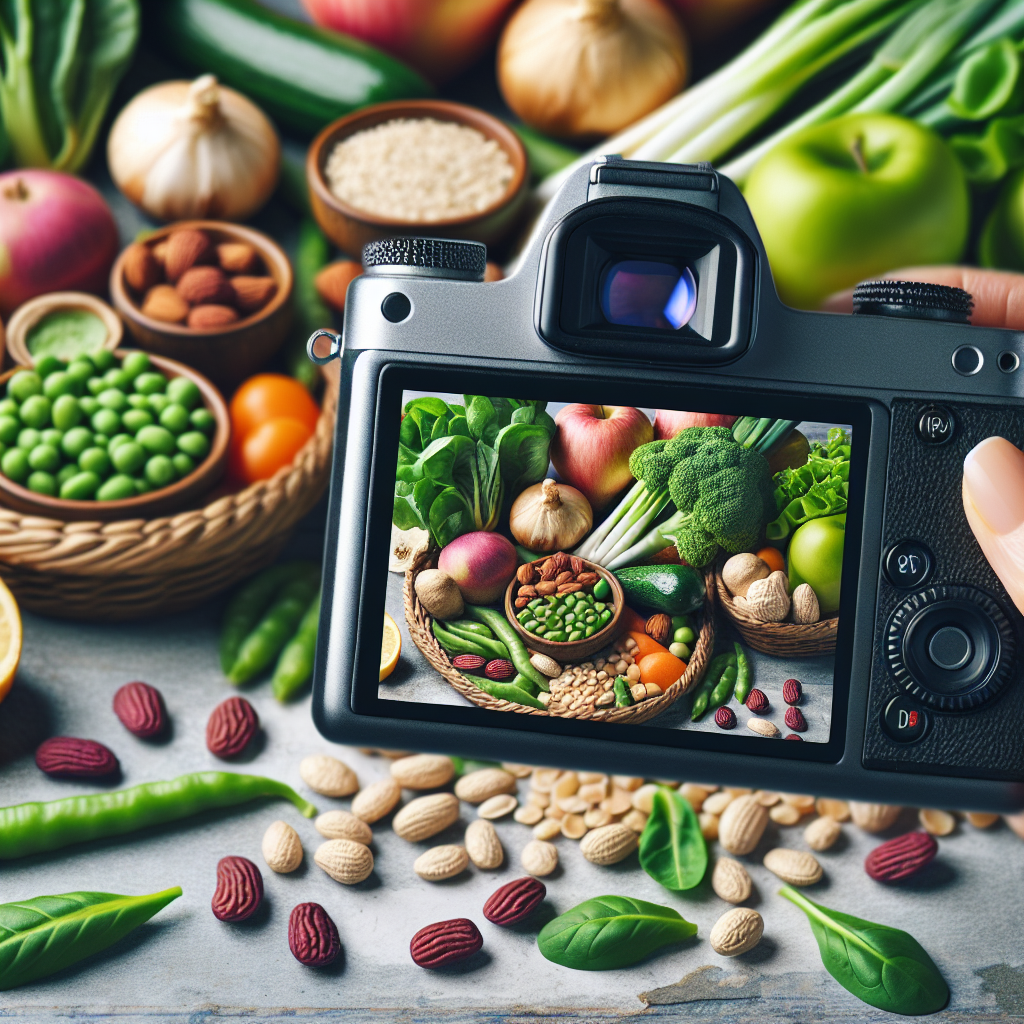
Cooking methods significantly impact the nutrient content of organic foods. Techniques such as steaming, boiling, and frying can alter vitamin levels and antioxidant properties.
When preparing organic foods, it’s essential to consider how different cooking methods affect nutrient retention. Steaming and microwaving generally preserve nutrients better than methods like boiling or frying. The temperature and cooking time are critical factors; for example, prolonged exposure to heat can degrade sensitive vitamins. Consumers should prioritize methods that enhance nutritional value to fully benefit from their organic choices.
A common mistake many make is assuming all cooking methods are equally beneficial for nutrient retention. Overcooking vegetables or using excessive water can lead to nutrient loss, particularly in water-soluble vitamins. Therefore, choosing appropriate cooking techniques is vital for maintaining the integrity of organic food nutrients.
==> Click Here for the best Certified Organic Product available - at a huge discount!
The Science of Nutrient Loss
Nutrient loss during cooking is a result of heat, water, and time. Different vitamins react uniquely to these factors. For example, vitamin C is sensitive to heat and can degrade quickly when exposed to high temperatures. In contrast, fat-soluble vitamins like A, D, E, and K are more stable but can still be affected by prolonged cooking.
Understanding the science behind nutrient loss is crucial for those aiming to maximize the health benefits of organic foods. For instance, boiling vegetables can cause water-soluble vitamins to leach into the cooking water, leading to significant nutrient loss. In contrast, methods such as grilling or roasting can help retain more nutrients.
Moreover, the cooking medium also plays a role. Using oils or fats can enhance the absorption of certain vitamins, such as vitamin E, while also adding calories. Therefore, consider both the cooking method and the ingredients used to ensure a balanced approach to nutrient preservation.
Best Cooking Methods for Nutrient Preservation
Some cooking methods are better suited for preserving nutrients than others. Steaming is often regarded as one of the best methods since it minimizes nutrient loss while cooking quickly. Microwaving is also effective due to its short cooking time and minimal water usage.
Other methods that maintain nutrient integrity include stir-frying and sautéing, where food is cooked quickly over high heat with minimal oil. These methods help retain color, texture, and flavor, making organic foods more enjoyable while preserving their nutrients.
On the other hand, methods like boiling and deep-frying can lead to significant nutrient loss. Boiling, in particular, can result in the leaching of vitamins into the water, which is often discarded. To maximize nutrient retention, prioritize quick cooking methods that use little to no water.
Common Cooking Mistakes to Avoid
One common mistake is overcooking vegetables, which can lead to substantial nutrient loss. Many people believe that cooking vegetables until they’re soft is necessary, but this can destroy valuable nutrients. Instead, aim for a crisp-tender texture to preserve vitamins.
Another mistake is using excessive water during cooking. When boiling vegetables, many nutrients dissolve into the water, leading to a loss of health benefits. If boiling is necessary, consider using the cooking water in soups or sauces to retain some of the lost nutrients.
Lastly, not paying attention to cooking times can lead to nutrient degradation. Different foods require different cooking times, and using a timer can help avoid overcooking and preserve nutrient content.
Practical Cooking Tips for Organic Foods
To maximize the nutrient content of organic foods, consider the following practical tips. Firstly, opt for steaming or microwaving over boiling whenever possible. These methods help preserve nutrients while cooking quickly.
Secondly, cut vegetables into larger pieces before cooking to reduce surface area exposure to heat. This can help minimize nutrient loss. Also, try to cook vegetables with their skins on when appropriate, as many nutrients are concentrated in or just beneath the skin.
Finally, consider the use of herbs and spices, which can not only enhance flavor but also provide additional nutrients and health benefits. Incorporating these into your cooking can boost the overall nutritional profile of your meals.

==> Need an Energy Boost? Click Here for the best Organic Product available - at a huge discount!
Further Reading
Authoritative Sources
- Nutritional Impacts of Cooking Methods
ncbi.nlm.nih.govThis source provides a comprehensive overview of how various cooking methods affect nutrient retention
- How Cooking Affects Nutrients in Food
healthline.comHealthline discusses the science behind nutrient loss in cooking and offers tips for preservation
- Preserving Nutrients in Food
eatright.orgThis article reviews various methods for cooking that help maintain nutrient levels
Frequently Asked Questions
What cooking methods preserve the most nutrients?
Steaming and microwaving are among the best methods for preserving nutrients, as they minimize cooking time and water exposure.
How does boiling affect vitamins in vegetables?
Boiling can lead to significant nutrient loss, especially in water-soluble vitamins, as they leach into the cooking water.
Are there vegetables that should not be cooked?
Some vegetables, like bell peppers and broccoli, can retain their nutrient profile when eaten raw, though cooking can enhance digestibility.
Does frying destroy nutrients?
Frying can lead to nutrient loss, particularly if the temperature is too high or the cooking time is prolonged, affecting sensitive vitamins.
What is the best way to cook leafy greens?
Quick steaming or sautéing is best for leafy greens, as these methods preserve their vibrant color and nutrient content.
Conclusion
Understanding how cooking methods impact organic food nutrients is essential for maximizing health benefits. By choosing techniques like steaming or microwaving, avoiding common mistakes such as overcooking, and applying practical cooking tips, you can retain more nutrients in your meals. Prioritize nutrient preservation to enjoy the full benefits of organic produce, ensuring that your meals are not only tasty but also nutritionally rich.