Discover how organic eating can significantly enhance your cardiovascular health. This article explores the specific nutrients and practices involved, highlighting practical steps to incorporate organic foods into your diet. Learn the science-backed benefits and common pitfalls to ensure you're making the most of organic choices for a healthier heart.
How Organic Eating Supports Cardiovascular Health
Understanding the Link Between Organic Eating and Heart Health
The relationship between How Organic Eating Supports Cardiovascular Health is increasingly supported by scientific evidence. Organic foods tend to contain fewer pesticides, artificial additives, and preservatives, which are linked to inflammation and oxidative stress—key contributors to heart disease. Additionally, organic produce often has higher levels of antioxidants, such as polyphenols, which combat free radicals and reduce arterial damage.
Research shows that individuals who prioritize organic foods often have lower levels of blood pressure, improved lipid profiles, and reduced inflammatory markers. These factors collectively lower the risk of developing cardiovascular disease. Moreover, avoiding chemical residues found in conventional produce can prevent long-term vascular damage, reinforcing the importance of choosing organic for heart health.
==> Click Here for the best Certified Organic Product available - at a huge discount!
Nutritional Components in Organic Foods That Benefit Your Heart
How Organic Eating Supports Cardiovascular Health Through Nutrients
Organic foods are rich sources of vital nutrients that support heart health. For instance, organic fruits and vegetables contain higher levels of antioxidants, vitamins C and E, and phytochemicals that help reduce inflammation and improve endothelial function. These compounds play a crucial role in maintaining flexible arteries and healthy blood flow.
Additionally, organic dairy and meat products often have better omega-3 fatty acid profiles, which are essential for cardiovascular health. Omega-3s help to lower triglycerides, reduce blood clotting, and decrease blood pressure.
Practical tips include:
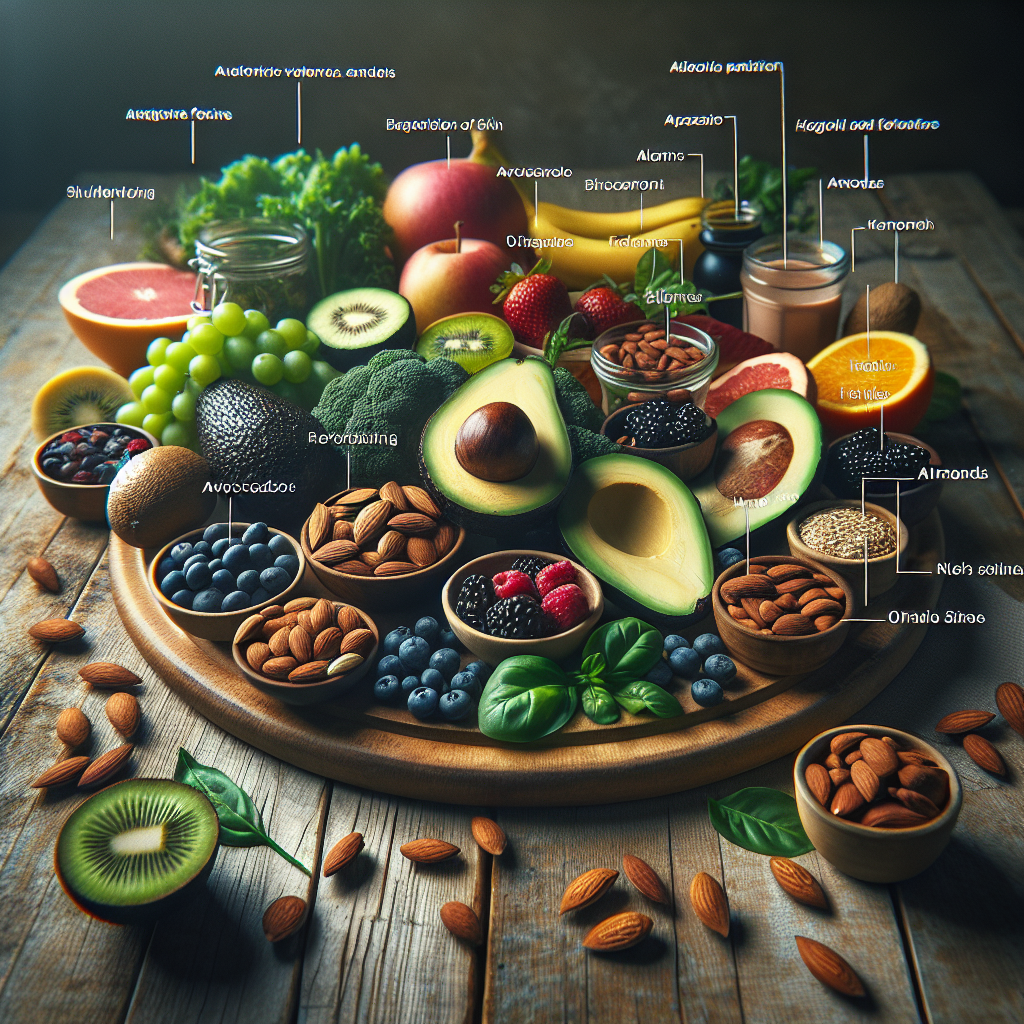
- Opt for organic berries, leafy greens, and nuts daily.
- Choose organic eggs and fish for higher omega-3 content.
- Incorporate a variety of organic vegetables to maximize antioxidant intake.
- Read labels carefully to avoid non-organic additives that may harm your heart.
How Organic Eating Supports Cardiovascular Health by Reducing Toxins
Avoiding synthetic pesticides and herbicides through organic choices reduces exposure to chemicals linked to endothelial dysfunction and hypertension. This reduction in toxin load helps your body better manage blood pressure and inflammation, key factors in How Organic Eating Supports Cardiovascular Health. Regular consumption of organic produce can therefore be considered a proactive step toward long-term heart health.
Practical Strategies for Incorporating Organic Foods for Better Cardiovascular Outcomes
Implementing organic eating habits requires thoughtful planning. Here’s a step-by-step approach:
- Start with a clean shopping list focused on organic fruits, vegetables, and lean proteins.
- Prioritize organic options for produce known to have high pesticide residues, such as strawberries, spinach, and apples.
- Gradually replace conventional dairy and meats with organic alternatives, especially those rich in omega-3s.
- Cook meals at home more often to control ingredients and avoid hidden additives.
- Read labels and certifications carefully to ensure products are genuinely organic.
Adopting these practices not only supports How Organic Eating Supports Cardiovascular Health but also promotes overall well-being.
Common Mistakes and How to Avoid Them When Focusing on Organic Eating
Many people assume that simply switching to organic foods guarantees heart health benefits. However, mistakes include:
- Over-relying on processed organic foods, which can be high in sugars and unhealthy fats.
- Neglecting the importance of a balanced diet that includes whole grains, lean proteins, and healthy fats.
- Ignoring other lifestyle factors like exercise, smoking cessation, and stress management.
- Assuming all organic products are equally beneficial—quality and certification matter.
To maximize benefits, combine organic eating with a comprehensive approach to cardiovascular health, including regular physical activity and avoiding smoking. Remember, How Organic Eating Supports Cardiovascular Health is a piece of the puzzle, not the entire picture.
References and Resources
These resources provide valuable information about How Organic Eating Supports Cardiovascular Health. Check them out for additional insights:
Authoritative Sources on How Organic Eating Supports Cardiovascular Health
- CDC Heart Disease Prevention
Centers for Disease Control and PreventionProvides insights on lifestyle factors, including diet, that influence heart disease risk and the role of organic foods in prevention strategies.
- American Heart Association Nutrition Basics
American Heart AssociationFocuses on nutrient-rich foods and the impact of organic choices on cardiovascular health.
- WHO Healthy Diet Guidelines
World Health OrganizationHighlights the importance of organic and minimally processed foods for overall health and specifically for cardiovascular wellness.

==> Need an Energy Boost? Click Here for the best Organic Product available - at a huge discount!
- Research on Organic Diets and Heart Health
National Institutes of HealthAcademic study examining the effects of organic diets on cardiovascular risk factors.
- Journal of Nutrition Research
Academic journalFeatures peer-reviewed articles on organic foods and their nutritional benefits for cardiovascular health.
- Academy of Nutrition and Dietetics
Professional organizationProvides guidelines on organic eating and heart health, emphasizing evidence-based practices.
- Nutrition.org
American Society for NutritionResearch summaries and articles on the impact of organic diets on cardiovascular health outcomes.
Frequently Asked Questions
Can switching to organic foods really improve my heart health?
Yes, choosing organic foods can reduce exposure to harmful pesticides and chemicals linked to inflammation and arterial damage. This, combined with higher antioxidant levels, supports better cardiovascular function over time.
How does organic eating support cardiovascular health compared to conventional diets?
Organic diets tend to have fewer synthetic additives and higher nutrient densities, which help lower blood pressure, reduce inflammation, and improve lipid profiles—key factors in How Organic Eating Supports Cardiovascular Health.
What practical steps can I take to start incorporating more organic foods for heart health?
Begin by prioritizing organic produce for high-residue fruits and vegetables, gradually replace conventional dairy and meats with organic options, cook at home more often, and read labels carefully to ensure genuine organic quality.
Are organic processed foods beneficial for heart health?
Processed organic foods can still contain added sugars and unhealthy fats. For optimal heart health, focus on whole, minimally processed organic foods and avoid overly processed options.
Does organic eating eliminate all cardiovascular risk factors?
While organic eating supports heart health by reducing toxins and increasing beneficial nutrients, it should be part of a comprehensive lifestyle including exercise, stress management, and avoiding smoking for best results.
Conclusion
Understanding How Organic Eating Supports Cardiovascular Health reveals that making conscious choices about food quality can have profound effects on your heart health. Organic foods, rich in antioxidants and free from harmful chemicals, form a crucial part of a heart-healthy lifestyle. By adopting practical strategies like prioritizing high-residue produce and cooking at home, you can significantly reduce your cardiovascular risk factors.
The key takeaway is that organic eating is not a standalone solution but a vital component of holistic health. Embracing this approach empowers you to take control of your heart health today and into the future. Start small, stay consistent, and consider organic choices as an investment in your long-term well-being.