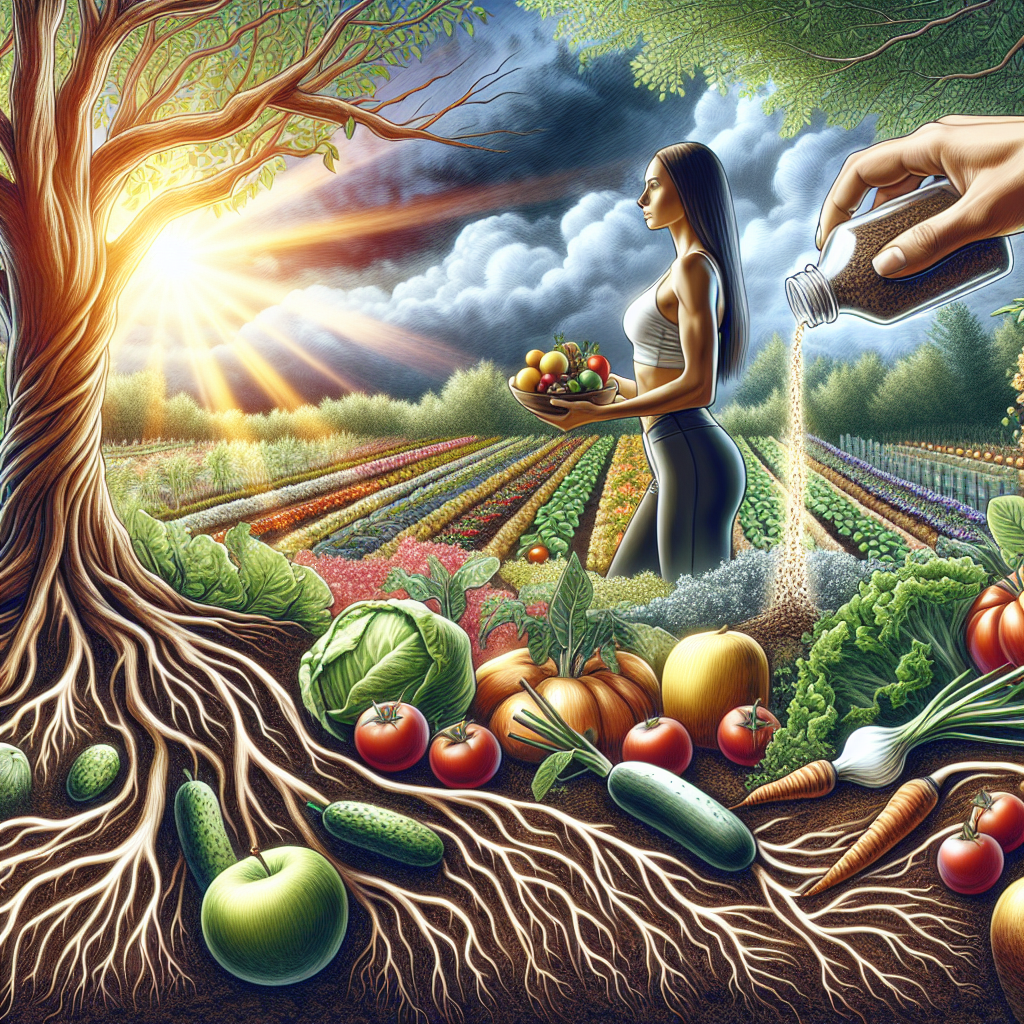
In recent years, the question of How Organic Eating Supports Heart Health has gained significant attention among nutritionists, health experts, and consumers alike. With cardiovascular disease remaining a leading cause of death worldwide, many are exploring dietary changes that can help mitigate risks. Organic foods, often perceived as healthier alternatives, are increasingly studied for their potential to enhance heart wellness.
==> Click Here for the best Certified Organic Product available - at a huge discount!
Understanding How Organic Eating Supports Heart Health involves examining not just the absence of pesticides or chemicals but also the rich nutrient profiles that organic foods tend to offer. This article delves into proven strategies, scientific insights, and practical tips to harness the power of organic diets for a stronger, healthier heart. If you’re wondering whether switching to organic can truly lower your cardiovascular risks, read on to discover evidence-based approaches and expert recommendations.
Understanding the Connection Between Organic Eating and Heart Health
Many experts now recognize a compelling link between organic food consumption and improved cardiovascular outcomes. While the debate continues over the extent of nutritional differences, the consensus suggests that organic diets may offer specific benefits that support heart health. So, How Organic Eating Supports Heart Health is an evolving area of research that combines nutritional science with lifestyle choices.
What Does Scientific Research Say?
Research studies, such as those published in the NIH’s PMC article on plant-based diets and cardiovascular health, reveal that diets emphasizing plant-based, organic foods can lead to lower blood pressure, reduced cholesterol levels, and better weight management—all crucial factors for heart health. These benefits partly stem from the higher antioxidant content and lower levels of harmful chemicals in organic produce.
How Organic Eating Supports Heart Health
One key aspect is the avoidance of synthetic pesticides and fertilizers, which have been linked to inflammation—a known contributor to atherosclerosis and heart disease. When you choose organic foods, you’re reducing exposure to these chemicals, potentially lowering systemic inflammation and arterial plaque formation. Furthermore, organic foods often contain higher levels of phytochemicals, which have protective effects on blood vessels.
Key Nutrients in Organic Foods That Promote Heart Wellness
Antioxidants and Phytochemicals
Organic fruits and vegetables are rich in antioxidants like flavonoids, carotenoids, and polyphenols. These compounds combat oxidative stress, a process that damages arteries and accelerates aging of the cardiovascular system. For example, organic berries, leafy greens, and tomatoes contain higher antioxidant levels, which support vascular health and reduce the risk of heart disease.
Omega-3 Fatty Acids and Healthy Fats
Animal products labeled as organic, such as grass-fed beef and pasture-raised eggs, tend to have higher omega-3 fatty acid content. Omega-3s are well-known for their anti-inflammatory properties and their role in lowering triglycerides—a significant factor in heart disease risk. Incorporating organic sources of healthy fats is a strategic way to support How Organic Eating Supports Heart Health.
Comparison of Conventional vs. Organic Nutrient Profiles
- Higher levels of vitamin C, E, and other antioxidants in organic produce
- Lower pesticide residues, reducing potential inflammatory responses
- Increased phytochemical diversity, enhancing overall antioxidant intake
- Better fatty acid profiles in organic animal products
Practical Strategies for Incorporating Organic Foods for Better Heart Health
- Prioritize Organic Produce: Focus on organic fruits and vegetables with thick skins or high pesticide residues, such as strawberries, spinach, and apples.
- Choose Organic Proteins: Select organic eggs, dairy, and meat from grass-fed or pasture-raised animals to boost omega-3 intake and reduce chemical exposure.
- Read Labels Carefully: Look for certifications like USDA Organic to ensure product authenticity.
- Gradually Transition: Start with small changes, such as swapping conventional produce for organic options, then expand your organic choices over time.
- Meal Planning and Budgeting: Incorporate organic ingredients into your weekly meal plan to make sustainable changes.
Step-by-Step: Making Organic Choices Count
Follow these steps to optimize your diet for How Organic Eating Supports Heart Health:
- Assess your current diet and identify key areas for organic substitution.
- Create a shopping list focusing on organic produce and proteins.
- Learn to read labels and understand organic certifications.
- Plan meals around organic ingredients to ensure variety and nutritional balance.
- Track your progress and adjust as needed to maintain a heart-healthy, organic lifestyle.
Research Evidence Supporting How Organic Eating Supports Heart Health
Case Studies and Scientific Findings
Recent studies are increasingly showing that organic diets can play a role in reducing cardiovascular risks. For example, a study published in the European Journal of Preventive Cardiology suggests that organic food consumption correlates with lower incidence of heart disease. Researchers attribute this to reduced chemical exposure and higher nutrient density.

==> Need an Energy Boost? Click Here for the best Organic Product available - at a huge discount!
Comparative Analysis of Organic vs. Conventional Diets
When comparing organic and conventional diets, key differences emerge:
- Organic diets often contain higher levels of antioxidants and phytochemicals, which help in preventing oxidative damage to the arteries.
- Reduced exposure to pesticides and other chemicals decreases systemic inflammation, a major driver of cardiovascular disease.
- Long-term adherence to organic diets has shown promising results in lowering blood pressure and improving lipid profiles.
Real-World Examples
Case studies from health clinics demonstrate that patients who switch to organic foods often experience improvements in cholesterol levels, blood pressure, and overall cardiovascular health. These findings reinforce the importance of How Organic Eating Supports Heart Health in holistic wellness strategies.
FAQs About Organic Eating and Heart Wellness
Frequently Asked Questions
Does eating organic significantly reduce heart disease risk?
While more research is needed, current evidence suggests that organic eating can contribute to lower inflammation, better nutrient intake, and reduced exposure to harmful chemicals—all factors that support heart health and may reduce the risk of heart disease.
How does How Organic Eating Supports Heart Health compare to other dietary strategies?
Organic diets often emphasize plant-based, whole foods, which are central to many heart-healthy eating plans. The key difference is the reduced chemical exposure and higher phytochemical content, which may enhance cardiovascular benefits.
Are organic foods more affordable and accessible?
While organic foods can be more expensive, strategic shopping, seasonal buying, and prioritizing key items can make them more accessible. The long-term health benefits may offset the initial costs by reducing healthcare expenses related to heart disease.
Can organic supplements help support heart health?
Supplements are not a substitute for a healthy diet, but some organic supplements, like omega-3 oils and antioxidants, can complement your efforts in supporting How Organic Eating Supports Heart Health.
Conclusion
Understanding How Organic Eating Supports Heart Health offers a promising pathway toward cardiovascular wellness. By choosing organic foods rich in antioxidants, healthy fats, and phytochemicals, individuals can reduce their exposure to harmful chemicals, lower inflammation, and promote better vascular function. The evidence indicates that integrating organic options into your diet is a strategic move for long-term heart health.
Ultimately, adopting an organic diet isn’t just about avoiding pesticides; it’s about nourishing your body with nutrient-dense, minimally processed foods that support your heart. Small, consistent changes—such as swapping conventional produce for organic—can yield significant health benefits. As you consider your next steps, remember that supporting your heart through organic choices is both a proactive and empowering decision for a healthier future.
References and Resources
These resources provide valuable information about How Organic Eating Supports Heart Health. Check them out for additional insights:
Authoritative Sources on How Organic Eating Supports Heart Health
-
Plant-based diets and cardiovascular health – PMC – NIH
pmc.ncbi.nlm.nih.govThis meta-analysis highlights how plant-based diets, often rich in organic produce, can lower blood pressure and improve glycemic control, supporting How Organic Eating Supports Heart Health.
-
Organic foods: Are they safer? More nutritious? – Mayo Clinic
www.mayoclinic.orgThis resource explains differences between organic and conventional foods, emphasizing potential benefits for cardiovascular health and overall safety.
-
What is Organic Food? – American Heart Association
www.heart.orgProvides insights into consumer perceptions and scientific facts about organic foods’ role in heart health.
-
Eating organic may lower heart disease risk – Organic Center
organic-center.orgSummarizes recent studies indicating that organic diets can reduce heart disease risk factors.
-
Fuel Your Heart: How Nutrition Supports Cardiovascular … – UC Davis
nutrition.ucdavis.eduHighlights dietary strategies, including organic choices, that fuel heart health through nutrient-rich foods.
-
Plant-based diets may be at the heart of cardiovascular … – UCLA Health
www.uclahealth.orgDiscusses how plant-based, often organic, diets positively impact HDL cholesterol and overall heart health.
-
Eating for Heart Health – Teachings from Registered … – Minneapolis Heart Institute
mplsheart.orgProvides practical tips for incorporating organic foods to improve cholesterol and lower heart disease risk.
-
Do Organic Foods Make a Difference in Heart Health? – Huntington Heart Center
www.huntingtonheartcenter.comExamines whether organic foods help reduce chemical toxicity and support long-term heart health.
-
Do Organic Foods Make Any Difference to Our Hearts? – Heart House NJ
www.hearthousenj.comDiscusses the impact of organic foods on heart health and the importance of overall lifestyle choices.
-
10 Organic Foods for a Healthy, Happy Heart – Biona
biona.co.ukLists specific organic foods known to support cardiovascular health, with an emphasis on flavonoid-rich produce.
Related Content
- How Organic Nutrients Can Keep You Feeling Younger
- The Link Between Organic Foods and Reduced Allergy Symptoms
- The Hidden Power of Certified Organic Nutrition for Your Family’s Health
- What Is the Difference Between Superfoods and Regular Foods: Key Nutritional Insights and Health Impacts
- Why Organic Grains Are a Better Choice for Digestive Health