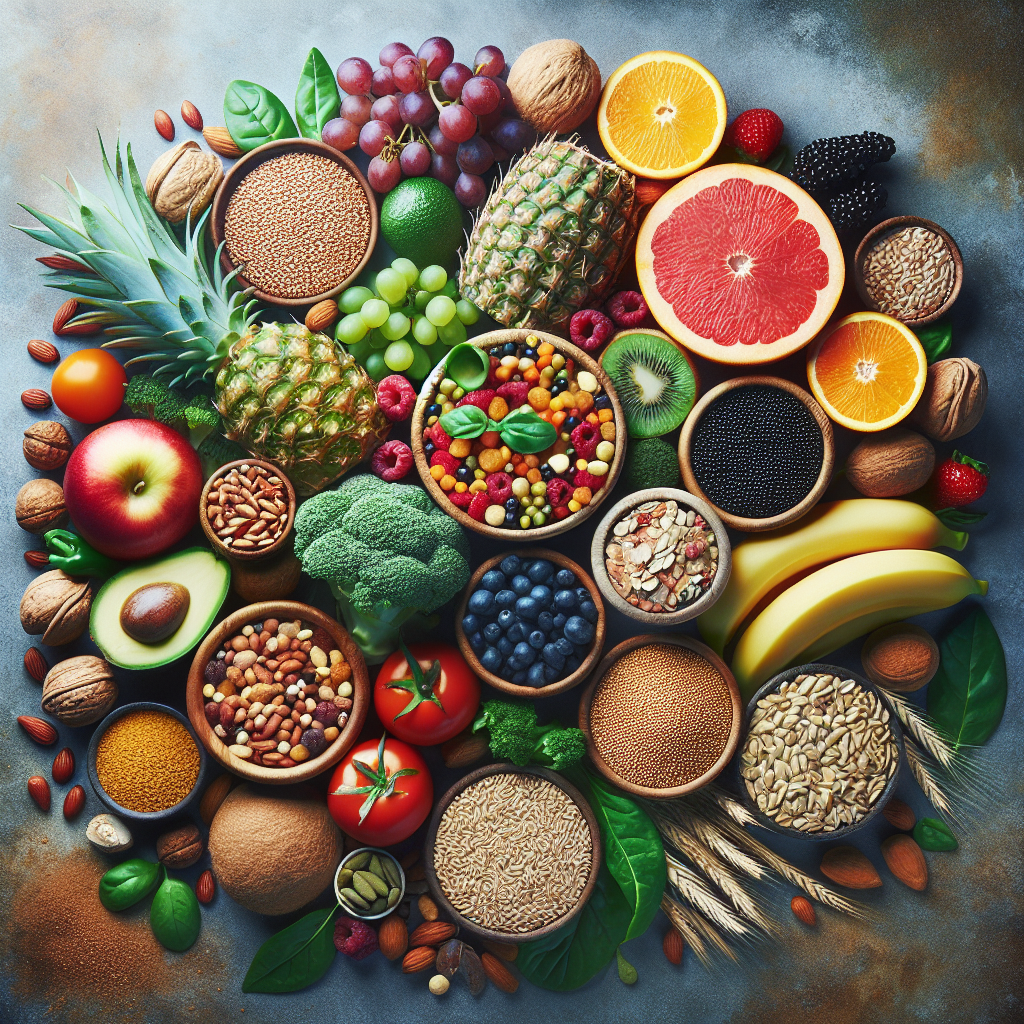
Discover how organic foods can significantly reduce bloating by improving gut health, decreasing harmful additives, and promoting natural digestion. This comprehensive guide explores practical strategies, common mistakes to avoid, and actionable tips to help you leverage organic choices for a flatter, more comfortable stomach.
How Organic Foods Help Reduce Bloating
Understanding Bloating and Its Causes
Bloating is a common digestive discomfort characterized by a swollen or distended abdomen, often accompanied by gas, discomfort, and sometimes pain. The causes vary—from eating too quickly, food sensitivities, to imbalanced gut bacteria. Recognizing these factors is crucial in addressing bloating effectively.
The reality is that dietary choices heavily influence bloating severity. Processed foods, additives, and artificial ingredients can disrupt gut flora and promote gas production. This is where How Organic Foods Help Reduce Bloating comes into play—by minimizing exposure to harmful substances and supporting gut health.
==> Click Here for the best Certified Organic Product available - at a huge discount!
Additionally, understanding the root causes enables targeted dietary adjustments, making organic food choices a practical step toward relief.
The Role of Organic Foods in Digestive Health
Organic foods are cultivated without synthetic pesticides, fertilizers, or genetically modified organisms, which means fewer chemicals and additives that can irritate the gut. This naturally reduces the risk of bloating caused by food sensitivities or inflammation.
Research shows that organic produce retains higher levels of antioxidants and beneficial phytochemicals, which support a healthy gut microbiome. A balanced microbiome enhances digestion and reduces gas buildup, directly impacting How Organic Foods Help Reduce Bloating.
Consider this: switching to organic vegetables and fruits can decrease your intake of artificial preservatives and flavorings linked to bloating and digestive discomfort. This simple change can lead to noticeable improvements in your digestive comfort.
How Organic Foods Help Reduce Bloating Effectively
1. Eliminating Harmful Additives
Many processed foods contain additives like sodium, artificial sweeteners, and preservatives that can cause water retention and gas. Organic foods, free from these substances, help mitigate bloating.
2. Supporting Gut Microbiota
Organic farming preserves soil health, leading to higher nutrient density and beneficial bacteria in produce. Consuming these foods promotes a diverse and resilient gut microbiome, crucial for digestion and reducing bloating.
3. Reducing Exposure to Pesticides and Chemicals
Chemical residues from conventional farming can irritate the digestive tract. Organic foods lower this risk, fostering a calmer gut environment.
4. Practical Steps to Leverage Organic Foods
– Start with organic fruits and vegetables.
– Incorporate fermented organic products like yogurt and sauerkraut.
– Read labels carefully to avoid hidden additives.
– Gradually replace processed snacks with organic nuts and seeds.
– Experiment with organic grains like quinoa and oats.
Practical Tips for Incorporating Organic Foods
Transitioning to an organic diet doesn’t have to be overwhelming. Begin by identifying your most bloating-prone foods and find organic alternatives. Planning meals around organic produce, and gradually increasing intake, helps your digestive system adapt.
Another effective strategy involves batch cooking organic grains and vegetables, ensuring easy access to gut-friendly meals. Pairing organic fiber-rich foods with probiotics enhances digestion and reduces bloating.
Remember, consistency is key. Over time, your gut flora will benefit from the reduced chemical load, and you’ll notice a decrease in bloating episodes.
Common Mistakes and How to Avoid Them
- Relying solely on processed organic foods: Even organic processed snacks can contain ingredients that cause bloating. Focus on whole, unprocessed organic foods.
- Ignoring food sensitivities: Organic foods still contain potential allergens. Pay attention to your body’s reactions and consider elimination diets.
- Overeating organic foods: Consuming large quantities at once can overwhelm digestion. Practice moderation and mindful eating.
- Skipping hydration: Adequate water intake aids digestion and complements organic dietary changes.
By avoiding these pitfalls, you maximize the benefits of How Organic Foods Help Reduce Bloating and support overall gut health.
References and Resources
These resources provide valuable information about How Organic Foods Help Reduce Bloating. Check them out for additional insights:

==> Need an Energy Boost? Click Here for the best Organic Product available - at a huge discount!
Authoritative Sources on How Organic Foods Help Reduce Bloating
- FDA – Organic Food Standards
U.S. Food and Drug Administration provides guidelines on organic labeling and safety, emphasizing reduced chemical exposure.Understanding regulatory standards helps consumers make informed choices about organic products to support gut health.
- EFSA – Pesticide Residue Limits
European Food Safety Authority reviews pesticide residues, highlighting lower risks associated with organic produce.Choosing organic minimizes exposure to harmful chemicals linked to bloating and inflammation.
- NCBI – Gut Microbiome and Diet
Research articles on how diet influences gut bacteria composition and digestive health.Organic foods promote a healthier microbiome, reducing bloating symptoms.
- WebMD – Digestive Health Tips
Practical advice on managing bloating through diet and lifestyle modifications.Incorporating organic foods is a key strategy for digestive comfort.
- Healthline – Organic Food Benefits
Overview of health benefits associated with organic diets, including improved digestion.Supports the case for choosing organic to minimize bloating.
- OUP – Nutrition and Gut Health
Academic research on diet’s role in gut health, emphasizing organic food impacts.Provides scientific backing for organic dietary approaches to reduce bloating.

- The American Society for Nutrition
Professional insights on nutrition, emphasizing organic foods’ role in digestive health.Supports the integration of organic choices for gut health improvement.
Frequently Asked Questions
Does switching to organic foods help with bloating?
Yes, transitioning to organic foods can significantly reduce bloating by eliminating synthetic additives, preservatives, and pesticides that irritate the gut. Organic foods support a healthier microbiome, which promotes smoother digestion and less gas buildup.
How quickly can I expect to see results in bloating reduction?
Results vary depending on individual factors, but many people notice improvements within a few days to a few weeks after making organic dietary changes. Consistency is key to maintaining a healthy gut environment and reducing bloating over the long term.
What are the best organic foods to help reduce bloating?
Focus on organic fruits (like berries, apples), vegetables (such as leafy greens, carrots), fermented products (yogurt, sauerkraut), and whole grains (quinoa, oats). These foods are rich in fiber, probiotics, and antioxidants that support digestion and minimize gas.
Can organic foods prevent bloating caused by food sensitivities?
Organic foods can help reduce bloating linked to sensitivities by avoiding common irritants like artificial preservatives or pesticides. However, if you have specific food allergies or intolerances, it’s important to identify and eliminate those particular triggers alongside choosing organic options.
Are there any mistakes to avoid when trying to reduce bloating with organic foods?
Yes, avoid relying solely on processed organic snacks, ignoring food sensitivities, overeating, and neglecting hydration. Incorporating whole, unprocessed organic foods and mindful eating practices enhances the effectiveness of How Organic Foods Help Reduce Bloating.
Conclusion
In summary, How Organic Foods Help Reduce Bloating is rooted in minimizing chemical exposure, supporting gut microbiota, and choosing nutrient-dense options. Making conscious organic choices can lead to a flatter abdomen and improved digestive comfort.
The key takeaway is to start small—swap conventional produce for organic, incorporate fermented foods, and stay consistent. Over time, you’ll likely experience less bloating, better energy, and enhanced overall health. Embrace organic eating as a practical, effective step toward a more comfortable, healthier digestive system.

Related Content
- Harnessing Plant-Based Energy from Organic Foods: Fuel Your Life Naturally and Sustainably
- The Truth About Organic Carrots and Blood Sugar Control
- “The Link Between Organic Food and Hormonal Health”
- What Are the Most Nutrient-Rich Organic Vegetables? Find Out!
- How Organic Foods Improve Mental and Emotional Health