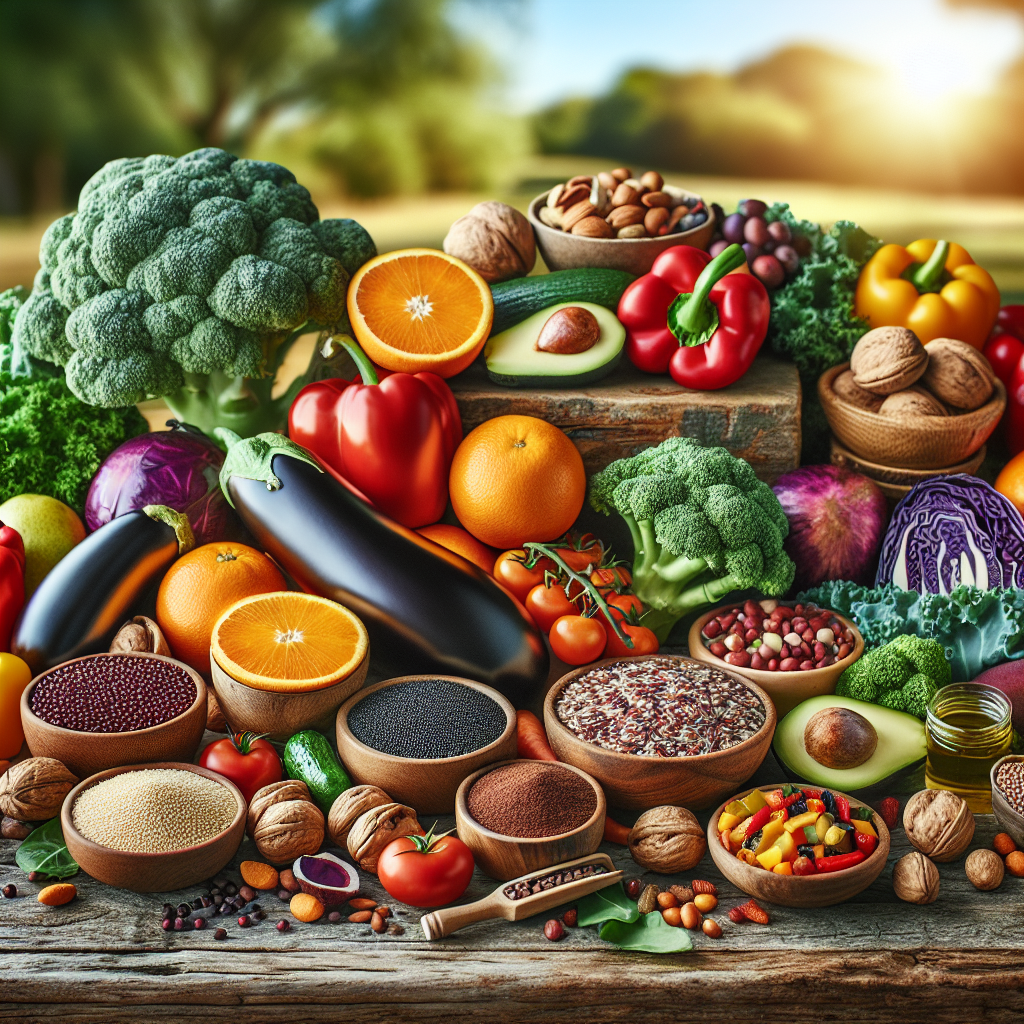
Yes, organic food can be worth the higher cost when considering its nutritional benefits, reduced pesticide exposure, and positive environmental impact. Organic foods are often grown without synthetic pesticides and fertilizers, which can lead to healthier produce.
One key factor in the value of organic food is the potential reduction in chemical exposure. Many consumers choose organic options to limit their intake of synthetic pesticides and fertilizers. For those concerned about health implications, especially families with young children, the choice may feel justified. However, organic does not always guarantee higher nutritional value, and consumers should weigh the benefits against the price difference.
Another consideration is the environmental impact of organic farming practices. Organic agriculture often promotes biodiversity and soil health, which can contribute to a more sustainable food system. However, the higher cost of organic products is sometimes a barrier for consumers. Understanding local agricultural practices and sourcing can help consumers make informed choices that align with their values.

==> Click Here for the best Certified Organic Product available - at a huge discount!
Nutritional Comparison of Organic vs. Conventional Foods
Studies have shown mixed results regarding the nutritional superiority of organic foods. While some research indicates higher levels of certain antioxidants and vitamins in organic produce, other studies find negligible differences. When evaluating whether organic food is worth the cost, it’s essential to consider the specific nutrients that matter most to your health.
For example, fruits and vegetables that are organically grown may have lower pesticide residues, which is a significant concern for many consumers. Additionally, organic dairy and meat products are often produced without the use of antibiotics or growth hormones, which can be appealing for health-conscious shoppers. Ultimately, the decision may come down to personal health goals and dietary preferences.
Many consumers mistakenly believe that all organic food is inherently healthier. It’s important to evaluate each food item independently and consider how it fits into your overall dietary needs. Organic junk food is still junk food, and consumers should prioritize whole, nutrient-dense options regardless of farming practices.
Environmental Impact of Organic Farming
Organic farming practices tend to have a lower environmental impact compared to conventional methods. They often use crop rotation, cover crops, and reduced tillage, which can enhance soil health and reduce erosion. Additionally, organic farms typically promote biodiversity and avoid synthetic fertilizers that can pollute waterways.
Choosing organic products can support sustainable agricultural practices and contribute to a healthier ecosystem. However, the environmental benefits can vary based on farming methods and local conditions. Consumers should consider the source of their organic products and look for local farms that prioritize sustainable practices.
It’s also important to note that not all organic products are created equal. Some large-scale organic farms may not adhere to the same environmental standards as smaller, local operations. Researching brands and their practices can help consumers make more informed choices.
Cost Analysis: Is Organic Food Worth It?
The higher cost of organic food can be a barrier for many consumers. Typically, organic products are priced 20-100% higher than their conventional counterparts. This price difference can be attributed to more expensive farming practices, certification costs, and lower yields.
When evaluating whether organic food is worth the extra expense, consider your budget and how often you purchase organic products. If you can afford to prioritize organic for certain items, such as the Environmental Working Group’s “Dirty Dozen,” which includes produce with higher pesticide residues, it may be a worthwhile investment. Otherwise, buying conventional produce may be more feasible.
Many consumers mistakenly assume that all organic food is significantly healthier. It’s crucial to focus on the specific items that matter most to your health and prioritize those in your budget. For instance, organic grains and legumes may not provide the same value as organic fruits and vegetables, which are often consumed raw.
Consumer Considerations and Mistakes to Avoid
When deciding whether to invest in organic food, consumers should be aware of common pitfalls. One mistake is assuming that all organic products are automatically healthier or more nutritious. It’s essential to read labels and understand what you’re purchasing.
Another consideration is the potential for food waste. Purchasing organic produce can be more expensive, so it’s important to ensure you are consuming it before it spoils. Meal planning and proper storage can help mitigate this issue.
Lastly, consumers should be aware of marketing tactics that can mislead them. Terms like “natural” or “farm-fresh” do not necessarily mean a product is organic. Familiarizing yourself with certification labels and understanding what they mean can help you make better purchasing decisions.

==> Need an Energy Boost? Click Here for the best Organic Product available - at a huge discount!
Further Reading
Authoritative Sources
- EWG's Dirty Dozen List
ewg.orgThis resource helps consumers identify produce with the highest pesticide residues, guiding organic purchasing decisions
- Nutritional Benefits of Organic Foods
ncbi.nlm.nih.govThis article reviews various studies on the nutritional differences between organic and conventional foods
- USDA Organic Regulations
usda.govOfficial information on organic certification standards and regulations in the United States
Frequently Asked Questions
Is organic food healthier than conventional food?
Organic food often has lower pesticide residues and may contain higher levels of certain nutrients, but the differences can vary by product.
Why is organic food more expensive?
Organic farming practices typically involve higher labor costs, certification fees, and lower yields, contributing to increased prices.
Are all organic foods pesticide-free?
No, organic foods can still be treated with certain approved pesticides, but they are generally less harmful than synthetic options.
While organic foods are grown without synthetic pesticides, they can still be treated with natural substances that are approved for organic farming.
How can I save money on organic food?
Consider buying in bulk, shopping at local farmers’ markets, or purchasing seasonal organic produce to save on costs.
What should I prioritize when buying organic?
Focus on items from the EWG’s Dirty Dozen list, which identifies produce with the highest pesticide residues, to maximize the benefits of organic purchases.