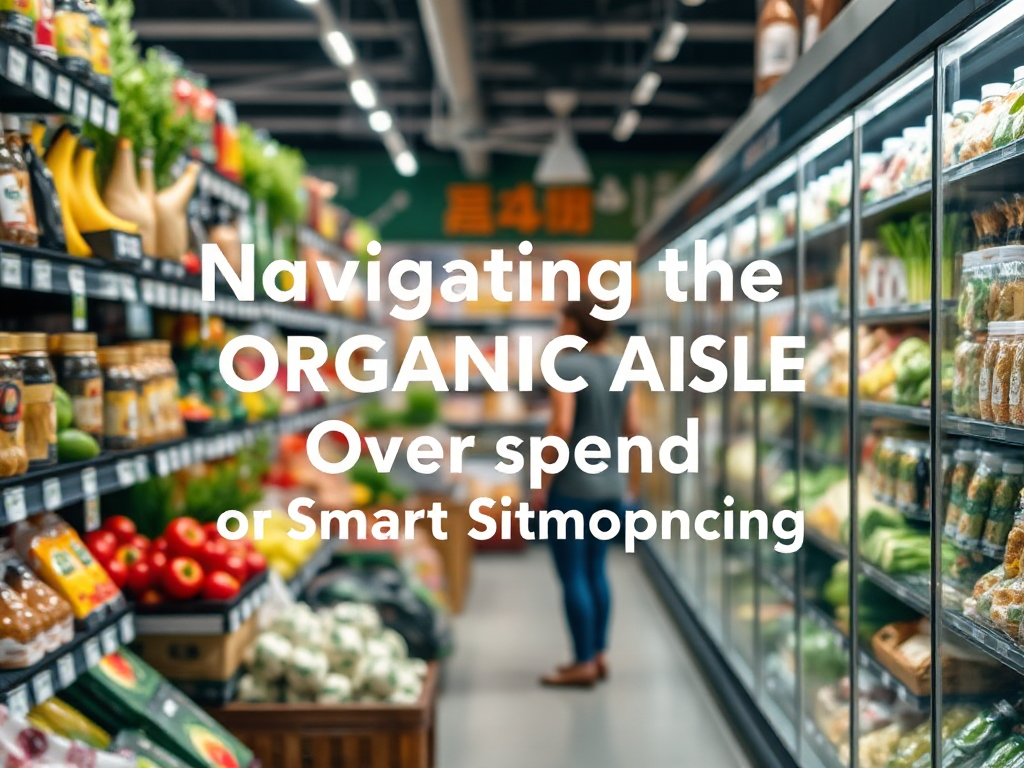
To navigate the organic aisle without overspending, prioritize strategic shopping habits that focus on value and necessity. Begin by crafting a detailed shopping list that emphasizes seasonal produce, as these items tend to be fresher and more affordable. Explore bulk purchasing options and consider store brands, which often deliver comparable quality at lower prices. Additionally, joining local co-ops or visiting farmers' markets can yield significant savings on organic goods. Staying disciplined by adhering to your list and comparing prices across various outlets will help you avoid unnecessary expenditures and make the most of your organic shopping experience.
Understanding Organic Pricing: What Affects Costs?
Organic products often come with a higher price tag due to various factors that affect their pricing. The cost of organic farming is generally higher, as it involves practices that avoid synthetic fertilizers and pesticides, which can lead to lower yields. Additionally, organic certification processes can add to the overall cost. Understanding these factors can help consumers appreciate the value of organic foods and make informed decisions about their purchases.
Many shoppers assume that all organic products are equally expensive, but this is not the case. Prices can vary significantly between brands, types of products, and even store locations. By being aware of these dynamics, consumers can better navigate their shopping experience and identify high-value options that fit their budget.
Smart Shopping Strategies for Organic Products
To effectively navigate the organic aisle without overspending, implementing strategic shopping practices is essential. First, always create a shopping list before heading to the store. This list should focus on essential items and seasonal produce to avoid impulse purchases that can quickly add up. Additionally, familiarize yourself with store layouts and weekly sales, which can help you locate organic products on sale.
Another effective strategy is to compare prices between local stores and online retailers. Many grocery stores offer price matching, which can further enhance savings. Utilizing apps or websites that track prices can also provide insight into the best deals available, ensuring that you get the most value for your money.
Using Seasonal Produce to Save Money
Seasonal produce not only tastes better but also tends to be more affordable. When fruits and vegetables are in season, they are generally more abundant, leading to lower prices. Plan your meals around seasonal offerings to maximize freshness and savings. For example, summer might be the best time to buy berries, while fall is ideal for squash and pumpkins.
Additionally, consider visiting local farmers’ markets, where seasonal produce is often sold directly from the growers. These markets can provide fresher options at competitive prices, allowing you to support local agriculture while saving money. Keep an eye out for bulk deals or discounts for purchasing larger quantities, which can also help stretch your budget.
Comparing Store Brands and Bulk Options
When shopping for organic products, it’s beneficial to compare store brands with national brands. Many grocery chains offer their own organic lines at a lower price point than national brands without sacrificing quality. Be sure to read labels and ingredient lists to ensure that you are getting a comparable product.
Buying in bulk is another effective way to save money on organic foods. Items such as grains, nuts, and seeds often come at a lower cost per unit when purchased in bulk. Look for bulk bins in your grocery store, and consider investing in reusable containers to store these items at home. This approach not only helps reduce packaging waste but can also lead to significant savings over time.
Frequently Asked Questions
How can I save money on organic foods?
To save money on organic foods, create a shopping list, focus on seasonal produce, compare store brands, and consider buying in bulk.
Are organic foods really worth the extra cost?
Many consumers believe that organic foods offer better quality, taste, and health benefits, which can justify the higher cost for some shoppers.
What types of organic foods should I prioritize?
Prioritize purchasing organic versions of produce that are known to have higher pesticide residues, such as strawberries and spinach.
Is it cheaper to buy organic online?
Buying organic online can sometimes be cheaper, especially when taking advantage of sales, but be sure to factor in shipping costs.
How can I find local organic farms?
You can find local organic farms through community-supported agriculture (CSA) programs or online directories dedicated to local farming.
Conclusion
Successfully navigating the organic aisle without overspending involves informed decision-making and strategic shopping practices. By prioritizing seasonal produce, comparing prices, and exploring local markets, you can enjoy the benefits of organic foods while managing your budget effectively. Remember to stay mindful of your shopping habits and adjust your strategies as needed to ensure that you are getting the best value for your purchases.