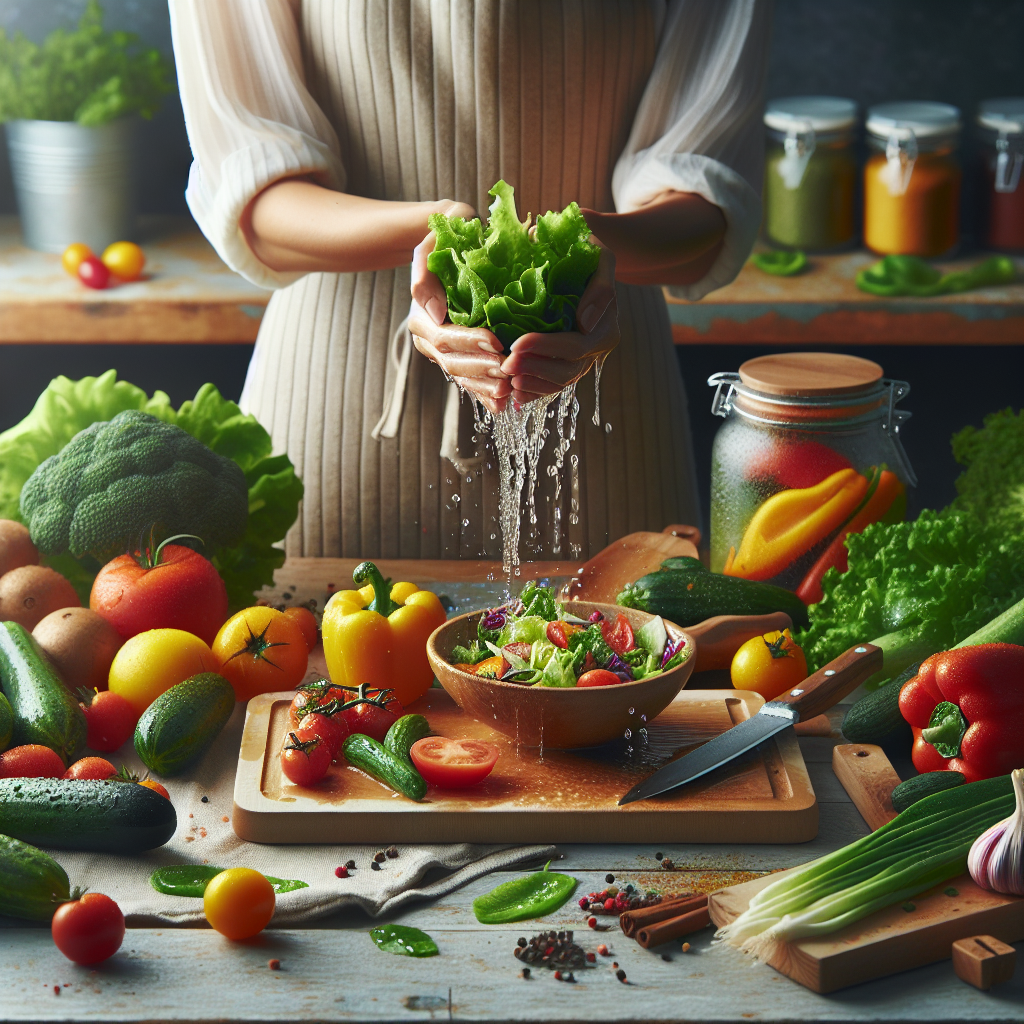
Organic eating during pregnancy provides several advantages, such as minimizing pesticide exposure and maximizing nutrient intake. Pregnant women may benefit from a diet rich in organic fruits, vegetables, grains, and proteins, which can contribute to the health of both mother and baby.
Understanding the balance between the benefits and risks of organic eating during pregnancy is essential. Pregnant individuals should be aware that while organic foods can offer health advantages, they must also prioritize food safety. For instance, organic produce can still harbor harmful bacteria if not washed or cooked properly. Additionally, some organic foods may be more expensive, which can strain budgets. Therefore, a practical approach involves selecting organic options for certain high-pesticide foods while maintaining a balanced diet.
It is also vital for expectant mothers to recognize common misconceptions about organic eating. Some may assume that all organic foods are inherently healthier or more nutritious than conventional options, which is not always the case. Prioritizing whole foods, whether organic or conventional, while avoiding processed foods is a more effective strategy for pregnancy health. Consulting with healthcare providers can help tailor dietary choices to individual needs, ensuring both nutrition and safety.
==> Click Here for the best Certified Organic Product available - at a huge discount!
Benefits of Organic Eating During Pregnancy
One of the primary benefits of organic eating during pregnancy is the reduction of pesticide exposure. Studies suggest that organic produce typically contains lower levels of harmful chemicals, which can be particularly important for developing fetuses. Additionally, organic foods are often fresher, as they are less likely to be processed or stored for long periods, thus maintaining more nutrients.
Moreover, many organic foods are produced using sustainable practices, which can contribute to overall environmental health. This is increasingly relevant as concerns about climate change and pollution rise. Eating organic can also encourage healthier eating habits, as it often involves increased consumption of fruits and vegetables, which are crucial during pregnancy.
However, it is essential for pregnant women to prioritize the quality of their diet over the specific labels on food. While organic foods have their benefits, focusing on a variety of whole foods, including grains and proteins, is equally important. Pregnant individuals should aim for a balanced diet that meets their nutritional requirements.
Risks Associated with Organic Foods
Despite the advantages, there are risks linked to organic eating during pregnancy that should not be overlooked. Organic foods can still be susceptible to contamination from bacteria like E. coli or Salmonella. For example, leafy greens and unpasteurized dairy products, which are sometimes found in organic diets, can pose food safety risks if not handled properly.
Additionally, the higher cost of organic products can lead to dietary limitations if families cannot afford to purchase a wide variety of organic foods. This may result in an imbalanced diet, which could compromise the health of both mother and baby. Therefore, it is crucial to weigh the costs against the benefits and make informed choices.
Furthermore, some pregnant individuals may mistakenly believe that organic foods are always better for their health. This assumption can lead to neglecting other important dietary factors. It is crucial to remember that a balanced diet, rich in nutrients, is more beneficial than strictly adhering to organic labels.
Nutritional Considerations
When considering organic eating during pregnancy, nutritional content should be a primary focus. Pregnant women need increased amounts of certain nutrients, including folate, iron, calcium, and omega-3 fatty acids. Organic foods can be a source of these essential nutrients, but not all organic options provide the same benefits.
For instance, organic fruits and vegetables are often higher in vitamins and minerals compared to their conventional counterparts. However, some organic processed foods may lack essential nutrients and contain added sugars or unhealthy fats. Pregnant individuals should prioritize whole, unprocessed organic options to maximize nutritional intake.
Additionally, incorporating a variety of foods from different food groups is vital. This includes organic dairy products, lean meats, legumes, and whole grains, which can help meet the increased caloric and nutritional needs during pregnancy. Consulting with a healthcare provider or nutritionist can assist in developing a tailored dietary plan that ensures both safety and optimal nutrition.
Practical Tips for Organic Eating
To effectively incorporate organic eating during pregnancy, consider the following practical tips. First, focus on the Environmental Working Group’s (EWG) Dirty Dozen list, which identifies produce with the highest pesticide residues. Prioritizing organic options for these items can help reduce exposure to harmful chemicals.
Second, ensure proper food handling practices. Washing fruits and vegetables thoroughly, cooking meat to appropriate temperatures, and avoiding unpasteurized products are essential steps to minimize foodborne illness risks. These practices are critical regardless of whether the food is organic or conventional.
Finally, budget wisely by incorporating a mix of organic and conventional foods. While organic options can be beneficial, it is not always necessary to purchase everything organic. Focusing on whole foods and maintaining a balanced diet will provide the nutrients needed for a healthy pregnancy.

==> Need an Energy Boost? Click Here for the best Organic Product available - at a huge discount!
Further Reading
Authoritative Sources
- USDA Organic Regulations
usda.govThis resource provides comprehensive information on organic certification and standards
- CDC Guidelines for Pregnant Women
cdc.govOffers essential health guidelines for pregnant women, including dietary recommendations
- Environmental Working Group (EWG)
ewg.orgFeatures the Dirty Dozen list and other resources for making informed food choices
- ACOG Pregnancy Guidelines
acog.orgProvides guidelines and information on nutrition during pregnancy from a leading authority
Frequently Asked Questions
Is organic food safer during pregnancy?
Organic food can reduce exposure to pesticides, but it can still pose risks related to foodborne illnesses if not handled properly.
What nutrients should I focus on in an organic diet during pregnancy?
Key nutrients include folate, iron, calcium, and omega-3 fatty acids, which are essential for fetal development.
Are all organic foods healthier?
Not necessarily; some organic processed foods can still be high in sugars or unhealthy fats, so focus on whole organic foods.
How can I afford organic food on a budget?
Prioritize buying organic for high-pesticide items and incorporate a mix of organic and conventional foods to manage costs.
What are the risks of eating organic meat during pregnancy?
Organic meat can carry the same risks of foodborne illness as conventional meat, so ensure it is cooked thoroughly.
Conclusion
In summary, organic eating during pregnancy can offer significant benefits, such as reduced pesticide exposure and enhanced nutrient intake. However, it is essential to remain aware of the risks associated with organic foods, particularly regarding food safety and cost. Pregnant individuals should prioritize a balanced diet rich in whole foods, whether organic or conventional. Consulting healthcare professionals can provide guidance tailored to individual needs, ensuring both safety and optimal nutrition for a healthy pregnancy.
Related Content
- Innovative Organic Snack Ideas for Healthy Eating
- Revolutionize Your Health Journey with Certified Raw Food Nutrition Support for Lasting Vitality
- Unlock the Benefits of Certified Organic Fruit-Based Nutrition in 2025!
- Why Does Organic Nutrition Support Immune Resilience: Key Benefits and Foods to Consider
- The Real Impact of Organic Foods on Your Overall Health