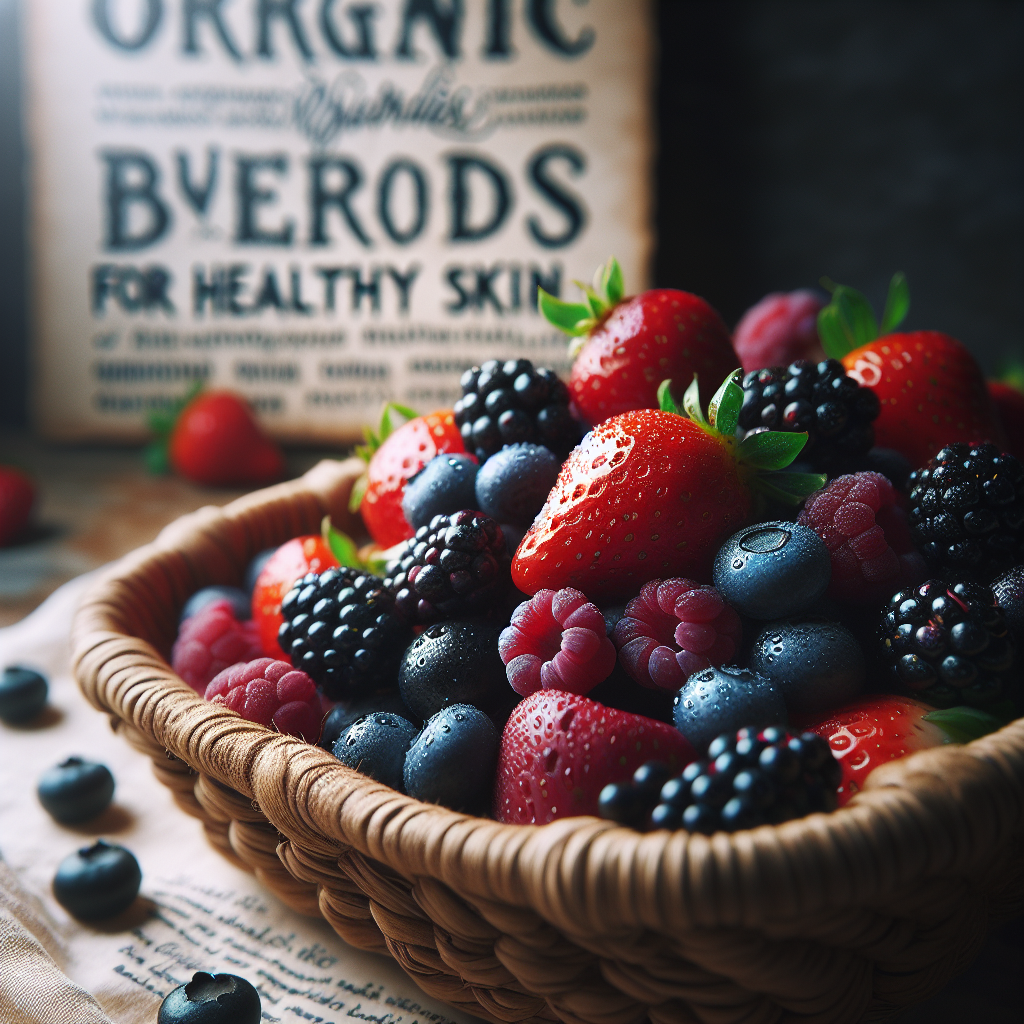
Organic eating for reducing exposure to food additives focuses on selecting whole, minimally processed foods that are free from synthetic chemicals and additives. Prioritizing organic fruits, vegetables, grains, and meats can significantly lower the intake of harmful substances often found in conventional food products.
When choosing organic foods, it’s essential to understand the significance of avoiding additives commonly used in processed foods, such as preservatives, artificial colors, and flavor enhancers. Many of these substances have been linked to health issues, including allergies and digestive problems. By embracing organic eating, individuals can make informed choices that prioritize their health and well-being.
Moreover, consumers should be aware of the common pitfalls in organic eating. For instance, many may assume that all organic products are free from additives, which is not always the case. It’s crucial to read labels carefully and select products that explicitly state they are free from artificial ingredients. This diligence ensures that the benefits of organic eating are fully realized.

==> Click Here for the best Certified Organic Product available - at a huge discount!
Benefits of Organic Eating
Organic eating offers numerous benefits, particularly in reducing exposure to food additives. Organic foods are grown without the use of synthetic pesticides and fertilizers, which can lead to lower levels of chemical residues in the food supply. This is especially important for vulnerable populations, such as children, who may be more susceptible to harmful effects.
In addition to minimizing exposure to harmful additives, organic foods often contain higher levels of certain nutrients, antioxidants, and vitamins compared to their conventional counterparts. Research suggests that organic farming practices may enhance soil health and biodiversity, leading to more nutrient-dense produce.
However, it’s essential to consider that not all organic products are created equal. Some may still contain additives, albeit fewer than conventional options. Therefore, prioritizing whole foods and understanding the sourcing of organic products can maximize health benefits.
Key Foods to Include
When adopting an organic eating approach, certain foods should be prioritized to reduce exposure to additives. Fresh organic fruits and vegetables are foundational, as they provide essential vitamins and minerals without the risk of synthetic additives. Aim for a variety of colors and types to ensure a comprehensive nutrient intake.
Organic grains, such as quinoa, brown rice, and oats, are excellent choices as they are less likely to contain additives compared to processed cereals. Additionally, organic dairy and meat products can be beneficial, offering higher quality protein without harmful chemicals. Opting for grass-fed or pasture-raised options can further enhance nutritional value.
It’s also wise to incorporate legumes, nuts, and seeds into your diet. These foods are nutrient-dense and can help create a balanced meal plan while minimizing the need for processed items that often contain additives. Regularly rotating food choices can help maintain variety and nutrient diversity.
Common Mistakes to Avoid
One common mistake in organic eating is assuming that all organic labels guarantee additive-free products. While organic certification does reduce the likelihood of additives, it does not eliminate them entirely. Consumers should be vigilant about reading ingredient labels and understanding what constitutes organic versus non-organic ingredients.
Another pitfall is over-relying on packaged organic foods, which can still contain additives and preservatives. Many consumers may feel that purchasing organic snacks or frozen meals is sufficient for maintaining a healthy diet, but these products can still contain unwanted ingredients. Striving for a diet rich in whole, unprocessed foods is key.
Additionally, some individuals may overlook the importance of sourcing. Local organic farms can provide fresher options with fewer additives than products shipped from far away. Engaging with local farmers or community-supported agriculture (CSA) programs can enhance the quality of food and reduce exposure to chemical additives.
Practical Strategies for Shopping
To effectively reduce exposure to food additives while shopping, start by creating a list of staple organic foods that align with your dietary preferences. Focus on whole foods and prioritize seasonal produce to save money while maximizing freshness.
Visiting farmers’ markets can be an excellent way to find organic produce directly from growers. This not only supports local agriculture but also provides opportunities to ask questions about farming practices and ingredient sourcing.
Moreover, consider joining a bulk buying group or purchasing in larger quantities to reduce costs associated with organic products. Buying staple items like grains, beans, and nuts in bulk can significantly lower expenses while ensuring you have healthy options readily available.

==> Need an Energy Boost? Click Here for the best Organic Product available - at a huge discount!
Further Reading
Authoritative Sources
- USDA Organic Regulations
ams.usda.govThis source outlines the standards and regulations for organic farming in the United States, providing insight into what organic means
- CDC: Food Additives and Safety
cdc.govOffers information about food additives, their safety, and health implications
- FDA: Food Additives
fda.govDetails the regulations surrounding food additives and their approval processes
- Organic Consumers Association
organicconsumers.orgA resource for information on organic food and consumer advocacy
Frequently Asked Questions
What are the main benefits of organic eating?
Organic eating reduces exposure to harmful additives, supports better nutrient absorption, and promotes environmental sustainability.
How can I ensure I’m avoiding food additives?
Read ingredient labels carefully, prioritize whole foods, and choose products labeled as additive-free whenever possible.
Are all organic products free from additives?
No, not all organic products are free from additives. It’s crucial to check labels for any additional ingredients.
What types of foods should I prioritize in an organic diet?
Focus on organic fruits, vegetables, grains, dairy, and meats while minimizing processed items.
How can I save money while eating organic?
Consider buying in bulk, shopping at farmers’ markets, and choosing seasonal produce to lower costs.
Conclusion
In conclusion, organic eating for reducing exposure to food additives is a proactive approach to enhancing health and well-being. By prioritizing whole, organic foods, individuals can significantly lower their intake of harmful substances while benefiting from higher nutritional value. It is essential to stay informed, read labels carefully, and engage with local food sources to maximize the advantages of organic eating. Implementing these strategies will not only support personal health but also contribute to a more sustainable food system.

Related Content
- Why Certified Organic Nutrition Is the Gold Standard in Healthy Eating
- How Organic Nutrition Supports Healthy Blood Sugar After 40: Strategies For Balanced Glucose Levels
- Discover the Ultimate Beginner’s Guide to The Organic Nutrition Plan for Beginners and Transform Your Well-Being
- Elevate Your Glow: The Surprising Connection Between Organic Eating and Radiant, Healthy Skin
- “The Benefits of Organic Tea: Beyond the Basics”