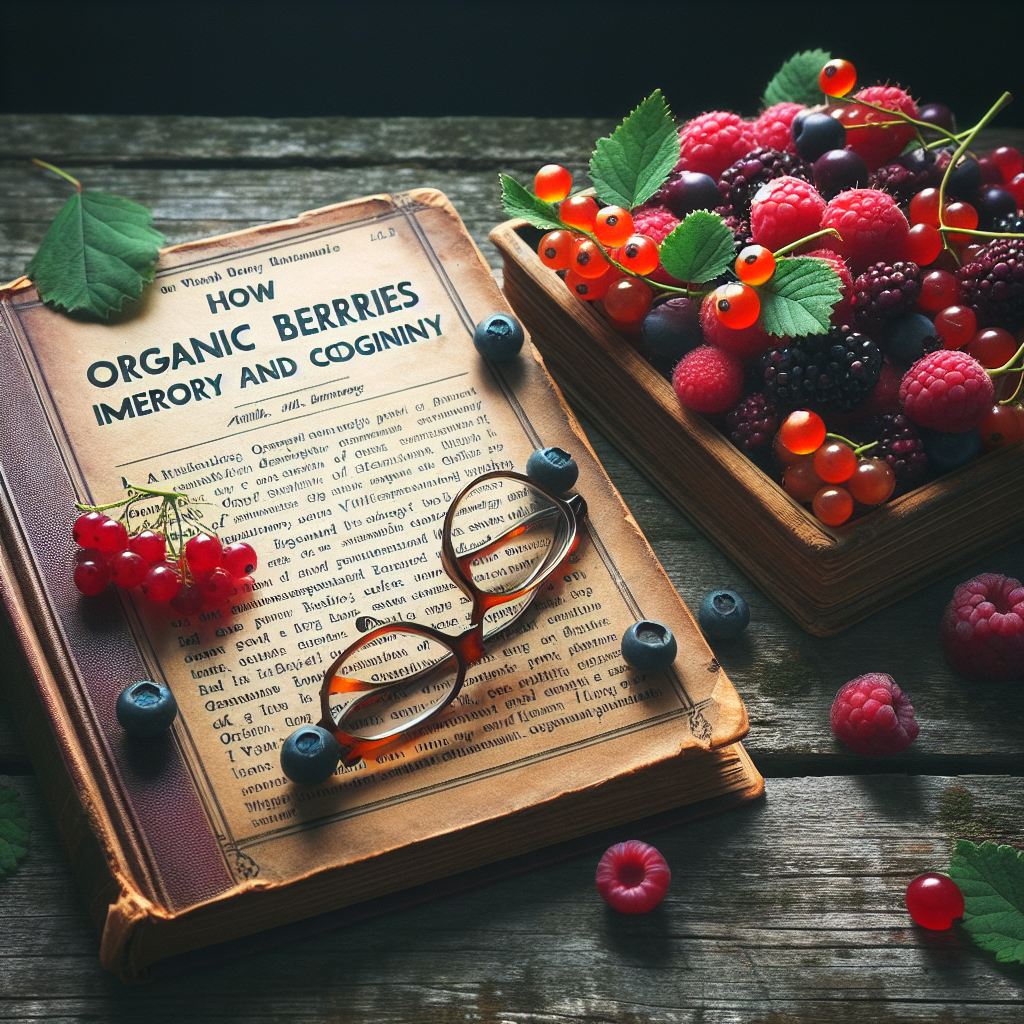
Organic foods that support anti-inflammatory diet patterns are crucial for individuals looking to manage inflammation through diet. These foods, rich in antioxidants and omega-3 fatty acids, can help lower inflammatory markers in the body.
Choosing organic is essential as it often means fewer pesticides and chemicals, which can also contribute to inflammation. Furthermore, organic foods are typically fresher and more nutrient-dense, providing better overall health benefits. However, it’s important to recognize that not all organic foods are created equal, and some may still contain additives that can trigger inflammation. Prioritize whole, minimally processed organic foods to maximize their anti-inflammatory properties.
One common mistake when adopting an anti-inflammatory diet is underestimating the importance of variety. Relying solely on a few food items may limit nutrient intake. Instead, aim for a colorful plate filled with a wide range of organic fruits and vegetables, which can provide diverse phytonutrients that work synergistically to combat inflammation.
==> Click Here for the best Certified Organic Product available - at a huge discount!
Key Organic Foods for Inflammation
Several organic foods stand out for their anti-inflammatory properties. Berries, such as blueberries and strawberries, are high in antioxidants and vitamins that reduce inflammation. Leafy greens like spinach and kale are rich in vitamins A, C, and K, as well as iron and calcium, which support overall health. Additionally, fatty fish, such as salmon and mackerel, provide omega-3 fatty acids that are known to combat inflammation.
Incorporating these foods into your diet can enhance your health significantly. For instance, a simple salad with spinach, strawberries, walnuts, and a vinaigrette can make a delicious and anti-inflammatory meal. However, it’s essential to be mindful of portion sizes and overall dietary balance. Too much of even healthy foods can lead to caloric excess, which may counteract the anti-inflammatory benefits.
Additionally, consider the sourcing of your organic foods. While organic is a great start, look for products that are local and in season, as they tend to be fresher and more nutrient-rich. This approach not only supports local agriculture but also reduces the carbon footprint associated with transporting food long distances.
How to Incorporate These Foods
To effectively integrate organic anti-inflammatory foods into your meals, start by planning your meals around these items. Fill your grocery list with a variety of berries, leafy greens, nuts, seeds, and fatty fish. Meal prepping can also be beneficial, allowing you to have ready-to-eat options that include these foods throughout the week.
Consider creating dishes that combine multiple anti-inflammatory ingredients. For instance, a quinoa bowl topped with roasted vegetables, chickpeas, and a drizzle of olive oil can be both nutritious and satisfying. This not only adds flavor but ensures you get a range of nutrients that work together to reduce inflammation.
It’s also helpful to experiment with different cooking methods. Steaming vegetables preserves more nutrients compared to boiling, while grilling or roasting can enhance flavor without adding unhealthy fats. Avoid frying or using excessive oils, as these can negate the benefits of your organic ingredients.
Common Mistakes to Avoid
When switching to an anti-inflammatory diet, many people make the mistake of focusing solely on eliminating inflammatory foods without replacing them with healthier options. This can lead to a lack of satisfaction and nutritional deficiencies. Instead, make a conscious effort to replace processed foods with organic alternatives. For example, swap out refined grains for whole grains like quinoa or brown rice.
Another common pitfall is overlooking the importance of hydration. Many individuals focus on food intake but forget that staying well-hydrated is crucial for reducing inflammation. Aim for adequate water intake and consider herbal teas that have anti-inflammatory properties, such as ginger or turmeric tea.
Lastly, be wary of preconceived notions about certain foods. Just because something is labeled as organic doesn’t mean it’s automatically healthy. Always check ingredient labels and nutrition facts to ensure the products you choose align with your health goals.
Further Reading
Authoritative Sources
- Anti-Inflammatory Diets: A Review
ncbi.nlm.nih.govThis resource provides a comprehensive review of various diets and their anti-inflammatory effects, offering insights into food choices
- The Anti-Inflammatory Diet: A Guide
health.harvard.eduHarvard Health discusses the principles of an anti-inflammatory diet and offers practical tips for implementation
- Healthy Eating for a Healthy Weight
cdc.govThe CDC provides guidelines for healthy eating, which can help manage inflammation and support overall health

==> Need an Energy Boost? Click Here for the best Organic Product available - at a huge discount!
- Understanding the Anti-Inflammatory Diet
eatright.orgThis article explains the concept of the anti-inflammatory diet and suggests food choices for optimal health
Frequently Asked Questions
What are the best organic foods for an anti-inflammatory diet?
Some of the best organic foods include berries, leafy greens, fatty fish, nuts, and seeds, which are rich in antioxidants and omega-3 fatty acids.
How can I incorporate more organic foods into my diet?
Plan meals around organic fruits, vegetables, and proteins, and consider meal prepping to ensure you have healthy options available.
Are all organic foods anti-inflammatory?
No, not all organic foods are anti-inflammatory. It’s essential to choose whole, minimally processed organic foods for the best health benefits.
What drinks are beneficial for an anti-inflammatory diet?
Herbal teas, especially those with ginger or turmeric, and adequate water intake are beneficial for managing inflammation.
Can I still enjoy treats on an anti-inflammatory diet?
Yes, you can enjoy treats occasionally. The key is moderation and ensuring that most of your diet consists of anti-inflammatory foods.
Conclusion
Incorporating organic foods that support anti-inflammatory diet patterns can significantly enhance your health and help manage inflammation. Focus on a diverse range of nutrient-dense foods, prioritize whole and minimally processed options, and stay hydrated. Avoid common pitfalls such as relying too heavily on a few food types or neglecting hydration. By making informed choices and maintaining a balanced approach, you can effectively reduce inflammation and improve your overall well-being.
Related Content
- Are Organic Foods Better for Heart Health? Here’s the Answer
- Why Does Organic Nutrition Improve Long Term Health Outcomes: Key Benefits and Practical Implications
- Why Organic Herbs Should Be a Part of Your Daily Routine
- 10 Best Organic Snack Ideas for 2025: Healthy Tips & Boost Your Energy
- Glow Naturally: How Organic Vegetable Nutrients for Skin Can Transform Your Complexion