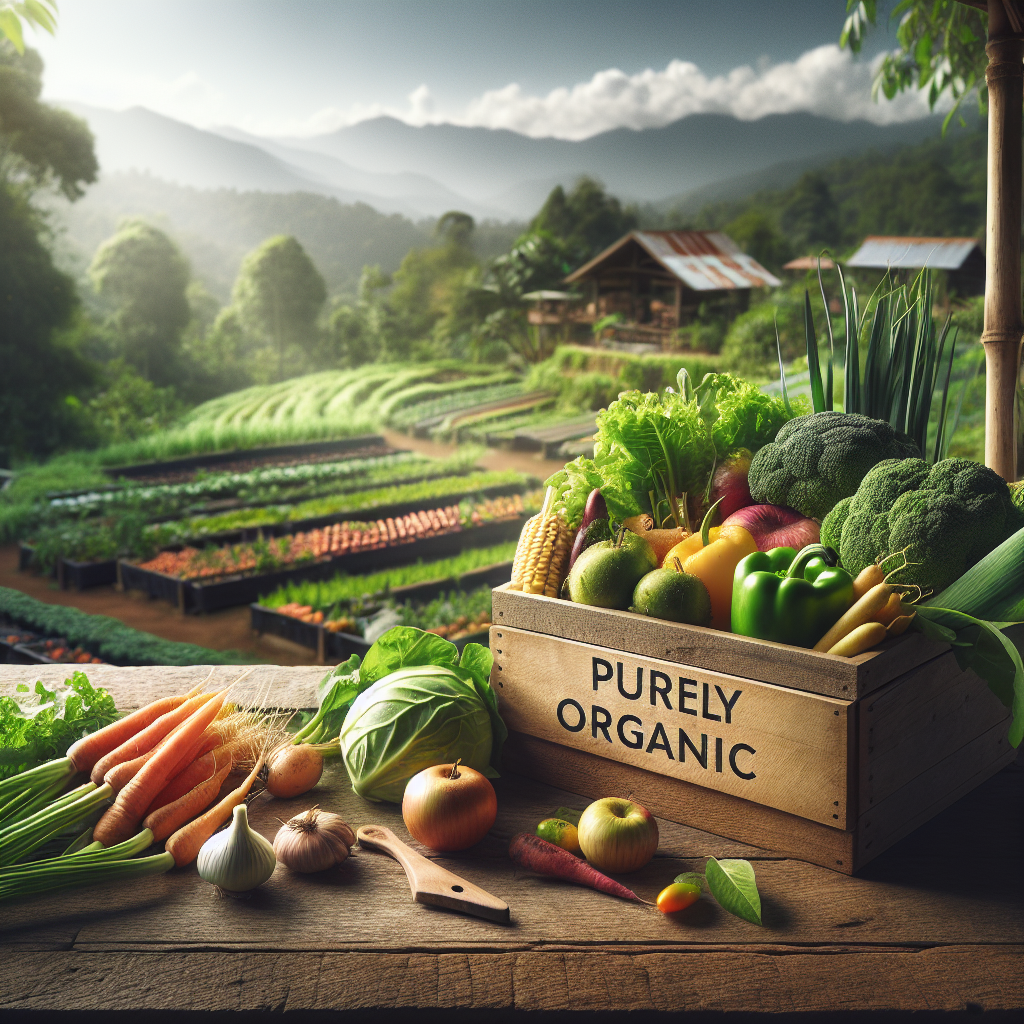
Organic foods that support gut microbiome diversity include a variety of fruits, vegetables, whole grains, and fermented products. These foods provide essential nutrients and prebiotics that nourish beneficial gut bacteria, promoting a balanced microbiome.
Understanding the role of gut microbiome diversity is crucial, as a rich and varied microbiome is linked to better digestion, a stronger immune system, and reduced risk of chronic diseases. Including a range of organic foods in your diet can significantly enhance microbial diversity. However, it’s important to focus on incorporating a variety of food groups rather than just a few popular items.
Common mistakes include relying too heavily on specific superfoods or neglecting the importance of fiber-rich foods. To truly support gut health, aim to consume a wide array of organic fruits, vegetables, legumes, and whole grains, as each contributes unique benefits to your microbiome.
==> Click Here for the best Certified Organic Product available - at a huge discount!
The Importance of Gut Microbiome Diversity
Gut microbiome diversity is essential for overall health, influencing everything from digestion to immune function. A diverse microbiome can help prevent diseases, improve mood, and even enhance nutrient absorption. Research indicates that individuals with a varied diet tend to have a more diverse microbiome, which correlates with better health outcomes.
When considering the diversity of gut bacteria, it’s crucial to incorporate a wide range of organic foods that offer different nutrients and fiber types. Foods high in polyphenols, such as blueberries and green tea, can particularly support beneficial bacteria. Additionally, avoiding overly processed foods and sugars can help maintain a balanced microbiome.
Many people overlook the impact of stress and lifestyle on gut health. Factors such as inadequate sleep, lack of physical activity, and high stress can negatively affect microbiome diversity. Therefore, alongside dietary changes, adopting a holistic approach to wellness is vital.
Top Organic Foods to Consider
Incorporating specific organic foods can significantly enhance gut microbiome diversity. Here are some top choices:
- Fruits: Berries, bananas, and apples are excellent sources of fiber and antioxidants.
- Vegetables: Leafy greens, onions, and garlic provide prebiotic fibers that promote beneficial bacteria.
- Whole Grains: Quinoa, oats, and brown rice are rich in fiber, which supports gut health.
- Fermented Foods: Yogurt, kefir, sauerkraut, and kimchi introduce live beneficial bacteria.
Each of these food groups contributes unique compounds that enhance microbial diversity. For instance, fermented foods not only contain probiotics but also help improve nutrient absorption, making them a valuable addition to your diet.
When shopping for organic foods, look for labels that indicate high-quality sourcing and minimal processing. This ensures you get the maximum health benefits without harmful additives that can disrupt gut health.
Practical Tips for Incorporating Organic Foods
Incorporating organic foods into your daily routine can be straightforward with a few practical strategies. Start by planning meals around seasonal organic produce, which tends to be fresher and more flavorful. Incorporate a variety of colors on your plate, as different hues often indicate different nutrients and health benefits.
Another effective method is to gradually replace conventional items with organic alternatives. Start with the most pesticide-heavy foods, such as strawberries and spinach, and gradually expand to other categories. This incremental approach can make the transition more manageable and sustainable.
Remember to stay mindful of food waste by using all parts of fruits and vegetables. For example, vegetable scraps can be utilized for making broths, while overripe fruits can be blended into smoothies or baked into healthy snacks.
Further Reading
Authoritative Sources
- Gut Microbiome and Health
ncbi.nlm.nih.govThis resource provides an overview of the gut microbiome's role in health and disease
- World Health Organization on Microbiome
who.intA comprehensive guide on the importance of gut health from a global health perspective
Frequently Asked Questions
What are the best organic foods for gut health?
The best organic foods for gut health include a variety of fruits, vegetables, whole grains, and fermented foods.

==> Need an Energy Boost? Click Here for the best Organic Product available - at a huge discount!
How can I improve my gut microbiome diversity?
Improving gut microbiome diversity involves eating a varied diet rich in fiber, prebiotics, and probiotics.
Are there specific organic foods to avoid?
Avoid overly processed organic foods and those high in sugar, as they can negatively impact gut health.
How long does it take to improve gut health?
It can take several weeks to months of consistent dietary changes to see significant improvements in gut health.
Can organic foods help with digestive issues?
Yes, organic foods rich in fiber and probiotics can help alleviate digestive issues and promote gut health.
Conclusion
Incorporating organic foods that support gut microbiome diversity is a practical step towards enhancing overall health. Focus on a diverse diet rich in fruits, vegetables, whole grains, and fermented products to nourish beneficial gut bacteria. Prioritize organic options to minimize harmful additives and pesticides. By making informed choices and gradually integrating these foods into your diet, you can significantly improve your gut health and, consequently, your well-being.
Related Content
- The Best Organic Foods for Supporting Hormonal Balance
- The Ultimate Guide to Certified Organic Food in 2025: 10 Tips for Best Results
- 7 Surprising Ways to Improve Your Health with Certified Organic Nutrition
- Reap the Benefits of Certified Daily Greens and Fruits for a Healthier You Today!
- The Ultimate Guide to 10 Powerful seasonal organic vegetables for 2025