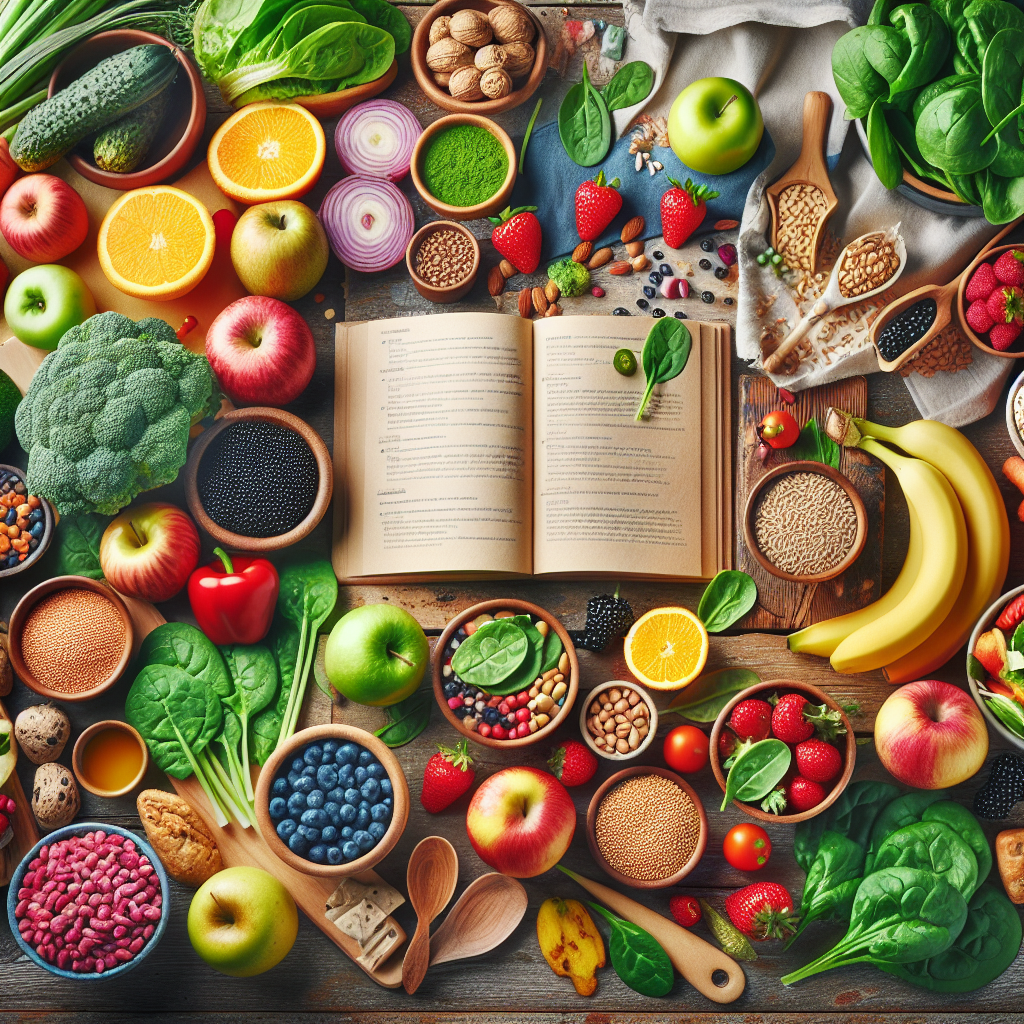
Understanding the role of specific foods is crucial in this diet. Foods such as beans, lentils, quinoa, and vegetables are not only low in glycemic index but also high in nutrients that can help regulate blood sugar. Additionally, these foods provide essential antioxidants and anti-inflammatory compounds that further enhance metabolic health. However, it’s important to avoid common pitfalls such as relying on high-carb vegetarian options like pasta and bread, which can exacerbate insulin resistance.
Another key consideration is meal timing and composition. Eating smaller, balanced meals throughout the day can prevent spikes in insulin levels. Prioritizing protein and fiber at every meal can also help maintain satiety and stabilize blood sugar. Many people mistakenly overlook the importance of healthy fats, which are vital for hormone production and stabilization of blood sugar levels. Incorporating sources like avocados, nuts, and seeds can be beneficial.
Essential Foods for Insulin Sensitivity
Incorporating specific foods into your organic vegetarian diet can significantly enhance insulin sensitivity. Key foods include leafy greens like spinach and kale, which are rich in antioxidants and low in calories, making them excellent choices. Legumes such as chickpeas, lentils, and black beans are high in fiber and protein, helping to regulate blood sugar levels. Whole grains like quinoa and brown rice provide complex carbohydrates that release energy slowly, preventing spikes in insulin.
Moreover, healthy fats from avocados, nuts, and seeds are essential. They not only provide satiety but also play a role in hormone regulation. The fiber content in these foods helps slow digestion and promotes a gradual release of glucose into the bloodstream, which is crucial for maintaining stable insulin levels. It’s vital to prioritize these foods over processed vegetarian options, which can be detrimental to insulin sensitivity.
Many individuals overlook the importance of hydration and its role in insulin resistance. Staying well-hydrated helps maintain optimal metabolic function and can influence how effectively your body utilizes insulin. Incorporating herbal teas and water-rich fruits and vegetables can support hydration.
Meal Planning Strategies
Effective meal planning is crucial for adhering to an organic vegetarian diet aimed at reversing insulin resistance. Start by creating a weekly menu that emphasizes a variety of colorful vegetables, whole grains, and plant-based proteins. This variety not only ensures a broad spectrum of nutrients but also keeps meals interesting and satisfying.
Consider batch cooking and preparing meals in advance to make healthy eating more convenient. For instance, cooking a large pot of quinoa or a big batch of chili can provide multiple meals throughout the week. Pair these with a variety of vegetables to create balanced meals. Additionally, planning snacks that are high in fiber and protein, such as hummus with carrot sticks or a handful of nuts, can help maintain energy levels and prevent unhealthy cravings.
It’s also essential to consider portion sizes and meal timing. Eating smaller meals every three to four hours can help stabilize blood sugar levels. This approach is often more effective than larger meals that can lead to insulin spikes. Remember that making gradual changes to your diet can lead to sustainable results, rather than drastic shifts that may be difficult to maintain.
Common Mistakes to Avoid
While transitioning to an organic vegetarian diet, it’s easy to make mistakes that can undermine your efforts to reverse insulin resistance. One common error is relying too heavily on processed vegetarian foods, which can be high in sugars, refined grains, and unhealthy fats. Items like veggie burgers or packaged snacks may seem healthy but often contain additives that can negatively impact your insulin sensitivity.
Another mistake is neglecting protein intake. Many vegetarians may inadvertently consume insufficient protein, which is essential for muscle maintenance and metabolic function. Incorporating a variety of protein sources, including legumes, tofu, tempeh, and nuts, is vital to ensure you’re meeting your nutritional needs.
Moreover, some individuals may overlook the significance of physical activity in conjunction with dietary changes. Regular exercise enhances insulin sensitivity and is a crucial component of reversing insulin resistance. Aim for a mix of cardiovascular and strength-training exercises to maximize benefits.
Further Reading
Authoritative Sources
- Dietary Interventions for Insulin Sensitivity
ncbi.nlm.nih.govThis resource provides an overview of various dietary interventions that can improve insulin sensitivity
- Health Benefits of a Vegetarian Diet
healthline.comThis article discusses the health benefits associated with adopting a vegetarian diet
- Nutrition and Diabetes
diabetes.orgThe American Diabetes Association offers insights into how nutrition affects diabetes and insulin resistance
Frequently Asked Questions
What are the best foods for reversing insulin resistance?
The best foods include leafy greens, legumes, whole grains, nuts, and healthy fats. These foods are rich in fiber and nutrients that help stabilize blood sugar levels.
How does an organic vegetarian diet help with insulin resistance?
An organic vegetarian diet focuses on whole, unprocessed foods that are low in glycemic index, helping to stabilize blood sugar levels and improve insulin sensitivity.
Is it necessary to avoid all carbohydrates?
No, it’s not necessary to avoid all carbohydrates. Instead, focus on complex carbohydrates from whole foods, which are beneficial for health.
Can exercise enhance the effects of diet on insulin resistance?
Yes, regular physical activity enhances insulin sensitivity and complements dietary changes, making it easier to reverse insulin resistance.
What common mistakes should I avoid when following this diet?
Avoid relying on processed vegetarian foods and ensure adequate protein intake to support metabolic health.
Conclusion
Adopting an organic vegetarian diet can be a powerful strategy for reversing insulin resistance naturally. Focus on incorporating a variety of nutrient-dense foods, planning balanced meals, and avoiding common dietary pitfalls. Remember that making gradual changes can lead to sustainable health improvements. Pairing this diet with regular physical activity will enhance your results and support overall well-being. Prioritize whole foods, stay hydrated, and be mindful of portion sizes to achieve the best outcomes.