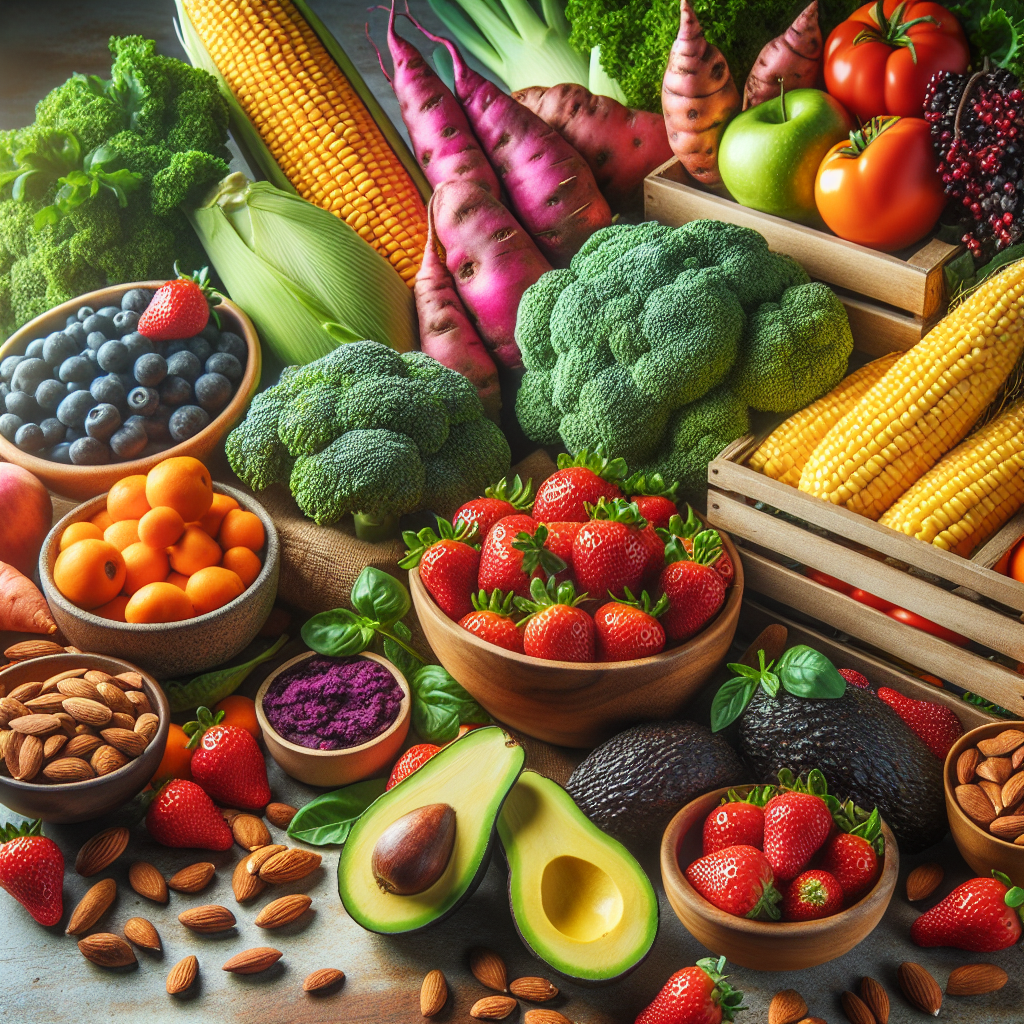
Adopting an organic whole food diet is a powerful approach to improving metabolism efficiency. This type of diet emphasizes the consumption of whole, unprocessed foods that are rich in nutrients, supporting the body's metabolic processes.
Incorporating a variety of organic foods is crucial. For instance, whole grains like quinoa and brown rice provide complex carbohydrates that fuel metabolism, while lean proteins, such as chicken, fish, or legumes, are vital for muscle repair and growth, which are essential for a higher metabolic rate. Additionally, healthy fats from sources like avocados, nuts, and seeds can help regulate hormones that influence metabolic function.
Many individuals underestimate the significance of meal timing and composition when it comes to metabolism. Eating smaller, balanced meals throughout the day can prevent energy crashes and keep the metabolism active. Furthermore, opting for organic foods can reduce exposure to pesticides and additives that may negatively impact metabolism. Prioritizing fresh, seasonal produce and whole foods ensures you are getting the best nutritional benefit while supporting sustainable farming practices.

==> Click Here for the best Certified Organic Product available - at a huge discount!
Key Components of an Organic Whole Food Diet
The foundation of an organic whole food diet lies in its key components, which include fruits, vegetables, whole grains, lean proteins, and healthy fats. Each component plays a unique role in optimizing metabolism. For example, fruits and vegetables are rich in antioxidants and fiber, which support digestion and nutrient absorption. Whole grains offer sustained energy release, while lean proteins contribute to muscle mass maintenance.
Additionally, incorporating a variety of colors and types of produce can enhance nutrient diversity. This diversity not only helps in meeting the body’s nutritional needs but also prevents dietary monotony, making it easier to adhere to the diet long-term. A well-rounded diet should focus on seasonal and locally sourced organic foods whenever possible.
One common oversight is neglecting the importance of portion sizes. While organic foods are healthier, they still contain calories that can add up. Understanding how to balance portions while ensuring adequate nutrient intake is crucial for maintaining metabolic efficiency. This balance is essential, especially for those looking to lose weight or improve their overall health.
How Organic Foods Impact Metabolism
Organic foods can positively influence metabolism through their higher nutrient density and lower chemical residue compared to conventionally grown foods. They are often richer in vitamins, minerals, and phytonutrients, which are essential for metabolic processes. For instance, magnesium and B vitamins play critical roles in energy production and carbohydrate metabolism.
Moreover, consuming organic foods can lead to better gut health, which is increasingly recognized as a key factor in metabolic regulation. A healthy gut microbiome supports efficient digestion and nutrient absorption, both of which are vital for maintaining a healthy metabolism. Probiotic-rich foods, such as fermented organic yogurt or kefir, can further enhance gut health.
However, it’s important to note that not all organic foods are created equal. Some organic processed foods can still be high in sugars and unhealthy fats. Therefore, focusing on whole, unprocessed organic foods is the best approach for maximizing metabolic efficiency.
Meal Planning for Metabolic Efficiency
Effective meal planning is a crucial strategy for anyone looking to improve their metabolism through an organic whole food diet. Planning meals around nutrient-dense foods ensures that you receive a balanced intake of macronutrients and micronutrients. A well-planned week might include a variety of organic vegetables, whole grains, and lean proteins, allowing for diverse meals that keep you satisfied.
For example, starting the day with a breakfast of oatmeal topped with fresh berries and nuts provides a solid foundation of fiber and healthy fats that can keep energy levels stable. Lunch could consist of a quinoa salad with mixed vegetables and grilled chicken, while dinner might feature a baked salmon fillet with steamed broccoli and sweet potatoes.
Meal prepping can also save time and ensure that healthy choices are readily available. Preparing meals in advance helps avoid the temptation of unhealthy options when hunger strikes. Additionally, being mindful of hydration and incorporating organic herbal teas can further support metabolic processes.
Common Mistakes to Avoid
While transitioning to an organic whole food diet, several common mistakes can hinder metabolic efficiency. One major pitfall is over-relying on organic processed foods, which may still contain unhealthy ingredients. It’s essential to focus on whole foods instead.
Another mistake is neglecting the importance of variety in the diet. Eating a limited range of foods can lead to nutrient deficiencies, ultimately affecting metabolism. Aim to incorporate different types of organic foods to ensure a broad spectrum of nutrients.
Lastly, many individuals underestimate the role of physical activity in conjunction with dietary changes. Regular exercise complements a healthy diet by promoting muscle mass and enhancing metabolic rate. A combination of strength training and cardiovascular exercise can yield the best results.

==> Need an Energy Boost? Click Here for the best Organic Product available - at a huge discount!
Further Reading
Authoritative Sources
- USDA Organic Regulations
ams.usda.govThis resource provides comprehensive information on organic certification and standards, which can help consumers make informed choices about organic foods
- The Role of Gut Microbiota in Metabolism
ncbi.nlm.nih.govA detailed study discussing how gut health affects metabolic processes, highlighting the importance of nutrition
- Benefits of Organic Foods
healthline.comThis article outlines the various health benefits associated with organic food consumption
Frequently Asked Questions
What are the benefits of an organic whole food diet for metabolism?
An organic whole food diet provides essential nutrients that support metabolic processes, improves digestion, and reduces exposure to harmful chemicals, all contributing to enhanced metabolism efficiency.
How can I start an organic whole food diet?
Begin by replacing processed foods with organic whole foods, focusing on fruits, vegetables, whole grains, and lean proteins. Meal planning and preparation can help you stay on track.
Are organic foods more nutritious than non-organic foods?
Organic foods often contain higher levels of certain nutrients and lower pesticide residues, which can contribute to better health outcomes and metabolic efficiency.
Can an organic whole food diet help with weight loss?
Yes, an organic whole food diet can aid weight loss by providing nutrient-dense foods that promote satiety and prevent overeating, while also supporting a healthy metabolism.
What common mistakes should I avoid on this diet?
Avoid over-relying on organic processed foods, neglecting food variety, and ignoring the importance of physical activity alongside dietary changes.
Conclusion
In conclusion, an organic whole food diet can significantly enhance metabolism efficiency by focusing on nutrient-dense, unprocessed foods that support bodily functions. By prioritizing a diverse array of organic fruits, vegetables, whole grains, lean proteins, and healthy fats, individuals can optimize their metabolism and overall health. Avoiding common pitfalls, such as relying on processed organic options and neglecting exercise, is key to maximizing the benefits of this dietary approach. As you embark on this journey, remember that consistency and balance are crucial for long-term success.

Related Content
- Justifying the Cost of Organic Meat and Dairy
- Transform Your Health Journey with Organic Veggies in Whole Food Form: A Guide to Vibrant Living
- What Causes Cravings Despite Eating Nutrient Dense Foods: Common Triggers and Solutions
- The Real Impact of Organic Foods on Your Skin
- Revitalize Your Plate with a Whole Food Fruit and Vegetable Plan for Everyday Vitality