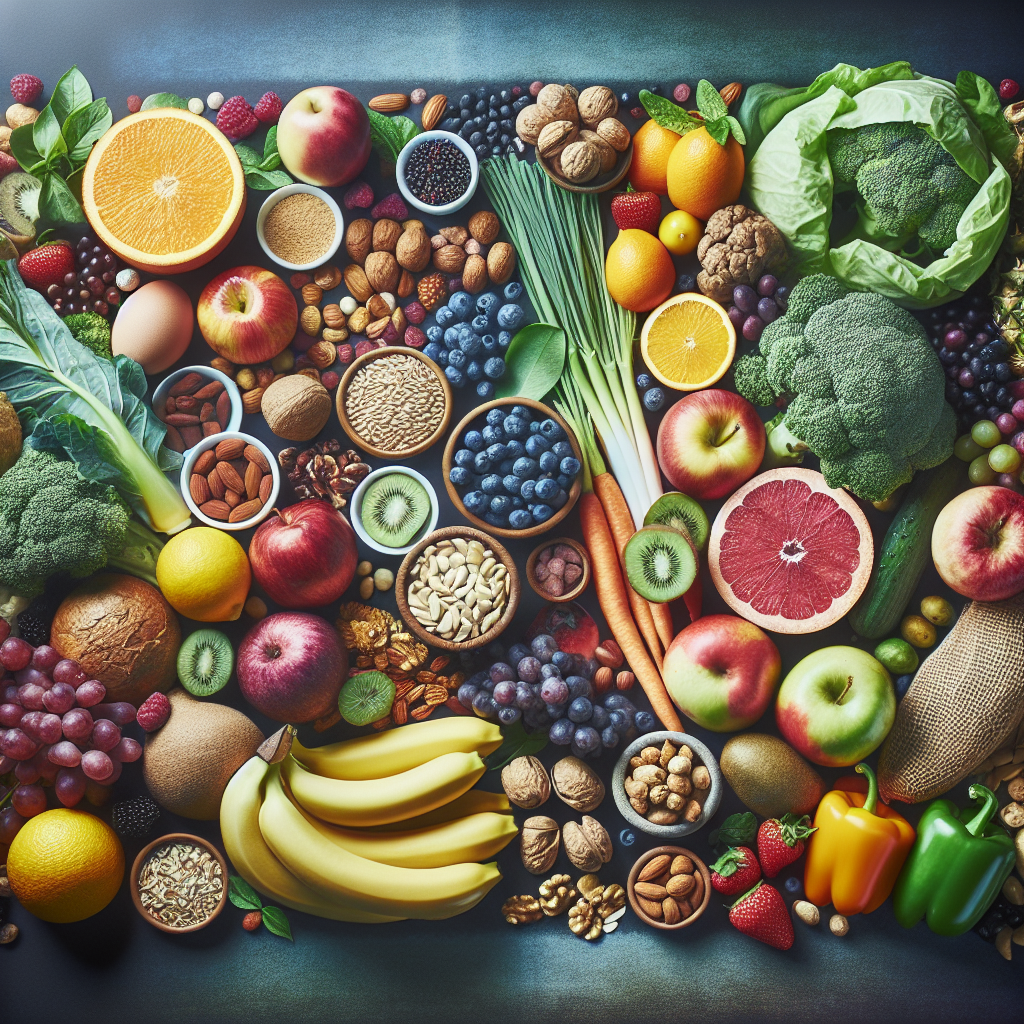
Understanding how specific foods impact hormone levels is crucial. During perimenopause, fluctuations in estrogen and progesterone can lead to symptoms such as hot flashes, mood swings, and sleep disturbances. By focusing on organic whole foods, individuals can consume fewer additives and chemicals, potentially reducing these symptoms. Foods rich in phytoestrogens, like flaxseeds and soy, can mimic estrogen in the body, providing relief.
Additionally, ensuring adequate intake of vitamins and minerals is vital. Magnesium, calcium, and vitamin D play essential roles in bone health and mood regulation, which can be affected during perimenopause. Many women overlook the importance of hydration, which can also alleviate symptoms like headaches and fatigue. A well-rounded approach that includes hydration, regular exercise, and stress management techniques is essential for optimal results.
Key Nutrients for Perimenopause
Several nutrients become particularly important during perimenopause. Calcium is essential for bone health, as estrogen levels drop, increasing the risk of osteoporosis. Magnesium supports muscle and nerve function, which can alleviate symptoms such as cramps and mood swings. Vitamin D is crucial for calcium absorption and overall bone health. Women should aim to get these nutrients primarily from organic sources to avoid harmful additives and pesticides.
Incorporating foods rich in these nutrients helps ensure adequate intake. Dairy products, leafy greens, nuts, and seeds are excellent sources of calcium and magnesium. Fatty fish like salmon and mackerel are rich in vitamin D and omega-3 fatty acids, which can also help reduce inflammation and improve mood. A well-balanced organic whole food diet can support these needs effectively.
Many women, however, may not realize how their dietary choices impact their nutrient intake. Focusing solely on calorie content rather than nutrient density can lead to deficiencies. Prioritizing whole foods rather than processed options will help meet nutritional needs more effectively.
Foods to Include in Your Diet
When adopting an organic whole food diet for managing perimenopause symptoms, certain foods should be prioritized. Incorporating a variety of colorful fruits and vegetables ensures a wide range of antioxidants and vitamins. Foods high in phytoestrogens, such as flaxseeds, soy products, and chickpeas, can help mitigate hormonal fluctuations.
Healthy fats are also crucial. Avocados, nuts, and olive oil provide essential fatty acids that support hormonal balance and overall health. Whole grains like quinoa, brown rice, and oats offer fiber, which can aid digestion and help maintain stable blood sugar levels. These foods can help reduce mood swings and energy fluctuations.
However, it is important to be mindful of portion sizes and overall caloric intake. Even healthy foods can contribute to weight gain if consumed in excess. Tracking food intake can help maintain a balanced diet and avoid unintended weight changes.
Mistakes to Avoid
Many women unknowingly make dietary mistakes that can exacerbate perimenopause symptoms. One common error is relying too heavily on processed foods, which can contain unhealthy fats, sugars, and additives. These can worsen symptoms like bloating and mood swings.
Another mistake is neglecting hydration. Dehydration can lead to increased fatigue and headaches, making symptoms feel more pronounced. Women should aim to drink plenty of water throughout the day, particularly if they are experiencing hot flashes.
It’s also crucial to avoid excessive caffeine and alcohol, which can disrupt sleep patterns and increase anxiety. Being aware of these common pitfalls can help women make more informed dietary choices during this transitional phase.
Practical Meal Ideas
Creating meals that align with an organic whole food diet can be both enjoyable and beneficial. Breakfast options could include overnight oats topped with fresh fruits and nuts or a smoothie made with spinach, banana, and flaxseeds. These choices are nutrient-dense and provide a good start to the day.
For lunch, consider a salad loaded with leafy greens, chickpeas, avocado, and a drizzle of olive oil. This meal is not only filling but also packed with healthy fats and protein. Dinner could feature grilled salmon with quinoa and steamed broccoli, offering a balanced combination of protein, carbs, and essential nutrients.
Snacks should also be nutritious; options like hummus with carrot sticks or a handful of nuts can provide energy without the negative side effects of processed snacks. Planning meals ahead can help ensure that choices remain aligned with health goals.
Further Reading
Authoritative Sources
- Perimenopause: Overview
nhlbi.nih.govThis resource provides a comprehensive overview of perimenopause, including symptoms and management strategies
- Nutrition and Perimenopause
ncbi.nlm.nih.govThis study discusses the role of nutrition in managing perimenopausal symptoms and offers dietary recommendations
- Calcium Fact Sheet
ods.od.nih.govA detailed guide on calcium, its health benefits, and dietary sources, particularly relevant for women in perimenopause
- Women's Health and Perimenopause
womenshealth.govThis government resource provides information on women's health issues related to perimenopause
Frequently Asked Questions
What are the best foods to eat during perimenopause?
Foods rich in phytoestrogens, healthy fats, and essential nutrients, such as fruits, vegetables, whole grains, and fatty fish, are best.
How can hydration help with perimenopause symptoms?
Staying hydrated can alleviate symptoms like headaches and fatigue, which are common during perimenopause.
What nutrients should I focus on during perimenopause?
Calcium, magnesium, and vitamin D are crucial for bone health and hormonal balance during this stage.
Can a whole food diet help with weight management during perimenopause?
Yes, a whole food diet can help maintain a healthy weight by providing nutrient-dense options that keep you full longer.
What common dietary mistakes should I avoid during perimenopause?
Avoid excessive processed foods, caffeine, and alcohol, as they can worsen perimenopause symptoms.
Conclusion
Managing perimenopause symptoms through an organic whole food diet can significantly improve quality of life. Focus on incorporating nutrient-dense foods rich in calcium, magnesium, and phytoestrogens while avoiding processed options that may exacerbate symptoms. Staying hydrated and planning meals mindfully can also contribute to better health outcomes. By prioritizing whole foods, women can navigate this transitional phase with greater ease and comfort.