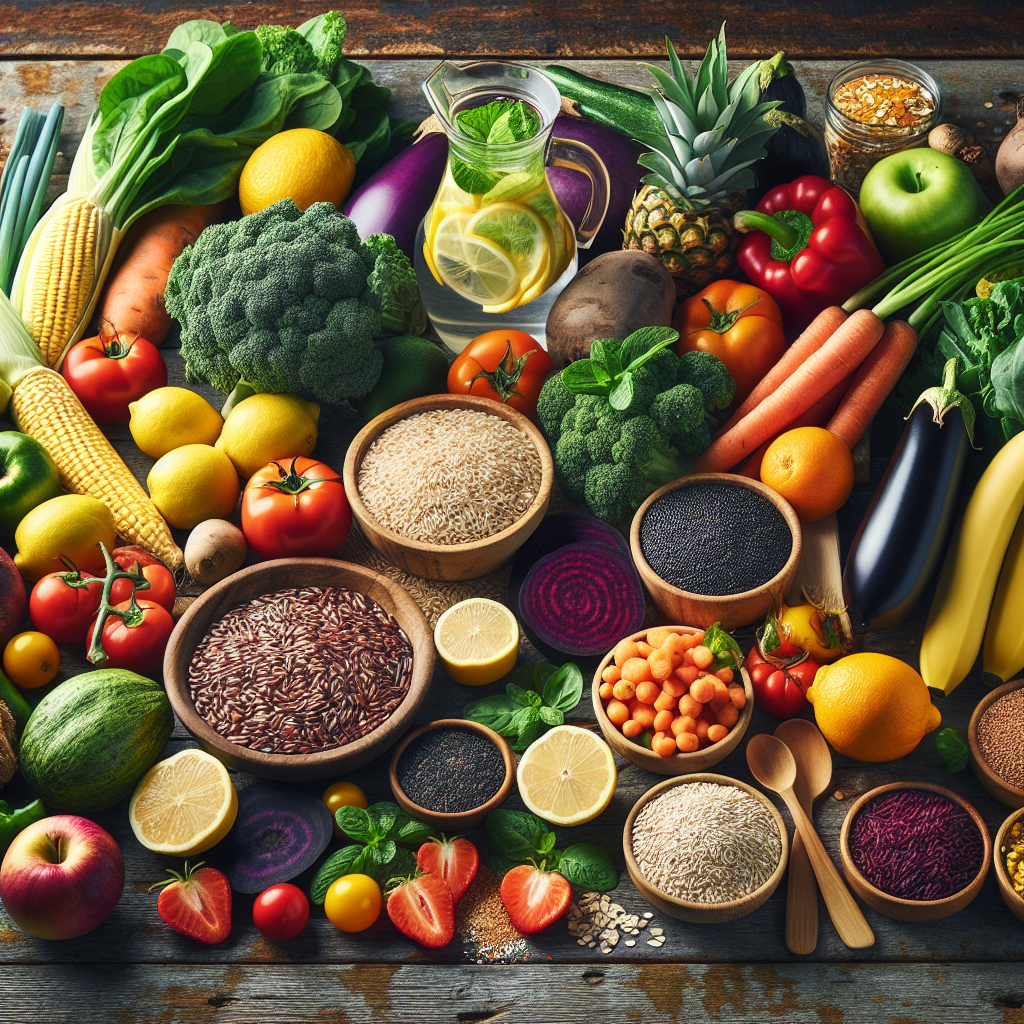
An organic whole food diet can significantly reduce sugar cravings by stabilizing blood sugar levels, providing essential nutrients, and promoting satiety. This approach emphasizes whole, unprocessed foods that are rich in fiber and micronutrients, which help keep your energy levels steady and reduce the desire for sugary snacks.
When transitioning to an organic whole food diet, it’s important to understand the specific foods that can help curb sugar cravings. Whole grains like quinoa and brown rice, along with a variety of fruits and vegetables, provide the fiber and nutrients needed to maintain energy levels. Nuts and seeds also play a crucial role, as they are high in healthy fats and proteins that enhance satiety. Avoiding processed foods, which often contain hidden sugars, is essential for this diet to be effective.
A common mistake when adopting this diet is replacing sugar-laden snacks with other processed alternatives that may still lead to cravings. Instead, focus on whole food sources that nourish your body. Meal planning can also enhance your success by ensuring you have healthy options readily available. Understanding your body’s hunger signals and learning to differentiate between physical hunger and emotional cravings is crucial in this journey.

==> Click Here for the best Certified Organic Product available - at a huge discount!
Key Foods to Include in Your Diet
Incorporating the right foods is essential for effectively reducing sugar cravings. Whole grains, fruits, and vegetables should form the foundation of your meals. Whole grains like oats and barley provide complex carbohydrates that release energy slowly, preventing spikes in blood sugar that lead to cravings. Fruits, especially those high in fiber such as apples and berries, offer natural sweetness along with essential vitamins.
Additionally, vegetables like leafy greens and cruciferous options such as broccoli are nutrient-dense and help keep you full. Healthy fats from avocados, nuts, and seeds also play a critical role in this diet, as they slow digestion and promote lasting satiety. When planning meals, aim to include a balance of these food groups to combat cravings effectively.
It’s worth noting that while these foods are beneficial, portion control is still important. Overeating even healthy foods can lead to unwanted weight gain, which could inadvertently increase cravings for sugary snacks. Prioritizing a variety of these foods will ensure you’re getting a wide range of nutrients, which is vital for overall health.
Daily Practices for Success
Establishing daily practices can enhance the effectiveness of an organic whole food diet in reducing sugar cravings. Start by planning your meals and snacks ahead of time to avoid reaching for unhealthy options when hunger strikes. Incorporating regular meal times can also help regulate your body’s hunger signals, making it easier to resist cravings.
Hydration is another critical aspect; often, thirst can be mistaken for hunger. Aim to drink plenty of water throughout the day. Herbal teas can also be beneficial, as they can provide a comforting ritual without added sugars. Mindful eating practices, such as savoring each bite and being attentive to hunger cues, can further support your efforts.
Moreover, consider engaging in physical activities that you enjoy, as exercise can help regulate blood sugar levels and reduce cravings. This holistic approach not only addresses dietary habits but also incorporates lifestyle changes that promote overall well-being.
Common Mistakes to Avoid
When adopting an organic whole food diet, there are several common pitfalls to be aware of. One major mistake is relying too heavily on fruit juices or smoothies, which can contain concentrated sugars without the fiber found in whole fruits. Instead, prioritize whole fruits to benefit from their fiber content and natural sweetness.
Another mistake is neglecting to read labels on packaged organic foods. Some products may still contain added sugars or unhealthy ingredients. Always check for hidden sugars and opt for items with minimal, recognizable ingredients. Additionally, many individuals may underestimate the impact of snacking on processed foods labeled as organic; these can still lead to cravings and should be consumed in moderation.
To better manage cravings, be cautious about skipping meals or going too long without eating. This can lead to increased hunger and a higher likelihood of reaching for sugary snacks. Maintaining consistent meal times can help prevent these situations.
Understanding Hunger Signals
Recognizing and understanding hunger signals is pivotal when following an organic whole food diet. Many people experience cravings that are not necessarily linked to physical hunger but rather emotional triggers or habits. Distinguishing between these signals can help individuals make more informed food choices.
Pay attention to how your body feels before reaching for a snack. Are you truly hungry, or are you seeking comfort, boredom relief, or stress relief? Developing a mindful eating practice can enhance this awareness, allowing you to respond appropriately to your body’s needs.
Additionally, consider keeping a food diary to track your meals, snacks, and cravings. This can help identify patterns and triggers, enabling you to address them proactively. By understanding your hunger signals, you can better navigate cravings and maintain a balanced diet.

==> Need an Energy Boost? Click Here for the best Organic Product available - at a huge discount!
Further Reading
Authoritative Sources
- ChooseMyPlate.gov
choosemyplate.govThis resource provides guidelines for balanced eating, emphasizing the importance of whole foods in a healthy diet
- National Institutes of Health
ncbi.nlm.nih.govnih.govOffers extensive research on nutrition and health, including studies on how diet impacts cravings and overall well-being
- Academy of Nutrition and Dietetics
eatright.orgA reputable source for nutrition information and dietary guidelines, promoting whole foods and healthy eating habits
Frequently Asked Questions
What are the best foods to reduce sugar cravings?
Foods high in fiber, protein, and healthy fats, such as whole grains, fruits, vegetables, nuts, and seeds, are effective at reducing sugar cravings.
How long does it take to reduce sugar cravings?
Typically, it can take a few weeks of consistent healthy eating to significantly reduce sugar cravings as your body adjusts to a nutrient-rich diet.
Can I still eat fruit on an organic whole food diet?
Yes, fruits are encouraged as they provide essential nutrients and fiber while satisfying sweet cravings naturally.
What should I avoid while on this diet?
Avoid processed foods, added sugars, and snacks that may contain hidden sugars, as they can trigger cravings and disrupt your diet.
Is it necessary to eat organic foods only?
While organic foods are preferred for their lower pesticide residues, focusing on whole foods is the most important aspect of this diet.
Conclusion
Adopting an organic whole food diet can be a transformative approach to reducing sugar cravings and enhancing overall health. Prioritizing whole grains, fruits, vegetables, nuts, and seeds while avoiding processed foods is key to success. By establishing daily practices, understanding hunger signals, and avoiding common pitfalls, individuals can effectively manage their cravings. Remember, the journey to healthier eating is gradual, and consistency is crucial. Start small, and make adjustments as needed to find what works best for you.

Related Content
- The Insider’s Guide to Maximizing Organic Foods
- Cost Comparison: Organic vs. Non-Organic
- Unlocking the Secrets of Organic Vegetables with Complete Nutrition for a Healthier You
- How to Incorporate Certified Organic Nutrition Like a Pro
- Discover the Power of Organic Fruits and Veggies for Wellness: A Delicious Path to Vibrant Health