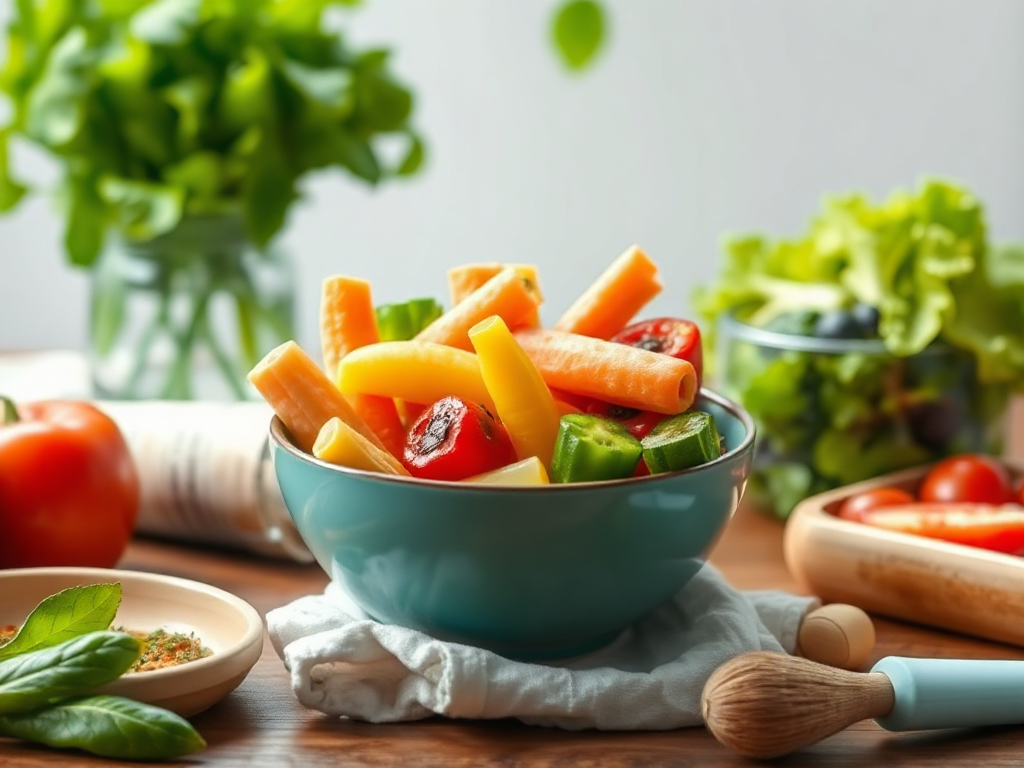
Organic food offers numerous benefits for children, including improved nutrition and reduced exposure to harmful chemicals. By choosing organic options, parents can provide their children with foods that are richer in essential nutrients, which are vital for growth and immune health. Additionally, organic farming minimizes the use of synthetic pesticides, lowering the risk of developmental issues linked to chemical exposure. This choice not only supports healthier growth but also promotes a cleaner environment. For optimal health, parents should prioritize organic foods, especially for young children whose bodies are still developing.
Nutritional Advantages of Organic Food
Organic food offers significant nutritional advantages for children, primarily due to its cultivation methods. Organic farming practices emphasize natural growth processes, which can lead to higher levels of vitamins, minerals, and antioxidants compared to conventionally grown produce. For instance, studies have shown that organic fruits and vegetables often contain more vitamin C and essential fatty acids. These nutrients are crucial for children’s growth, immune function, and overall health.
Furthermore, organic foods are less likely to contain artificial additives and preservatives, which can negatively affect children’s health. By consuming organic options, parents can ensure that their children receive wholesome, nutrient-dense meals that support their developmental needs. It’s important to prioritize organic choices, especially for young children whose bodies are still developing and require optimal nutrition.
Reduced Chemical Exposure
Choosing organic food significantly reduces children’s exposure to harmful pesticides and chemicals commonly found in conventional farming. Organic farming strictly limits the use of synthetic pesticides and fertilizers, which can have adverse health effects, particularly on young, developing bodies. For example, research has linked pesticide exposure to various health issues, including developmental delays and behavioral problems in children.
By opting for organic, parents can help mitigate these risks. avoiding harmful substances; it’s also about promoting a cleaner environment. Organic farming practices contribute to soil health and biodiversity, which can benefit ecosystems. This holistic approach to food production ensures that children consume safer, cleaner food while also supporting sustainable agriculture.
Impact on Children’s Health and Development
Consuming organic food can have a positive impact on children’s health and development. The absence of harmful chemicals in organic products means children are less likely to suffer from negative health outcomes associated with pesticide exposure. Organic diets have been associated with lower incidences of allergies, asthma, and other chronic health conditions.
Moreover, the nutrient density of organic foods supports cognitive development and academic performance. Nutrients found in organic fruits and vegetables play a vital role in brain health, influencing memory, focus, and overall cognitive function. Encouraging children to eat organic can help set the foundation for a lifetime of healthy eating habits, fostering a greater appreciation for nutritious foods and their benefits.
For more information on the benefits of organic food and its impact on children’s health, consider exploring resources from reputable organizations such as the USDA Organic and studies published by the National Institutes of Health.
Frequently Asked Questions
What are the main benefits of organic food for children?
The main benefits include enhanced nutrition, reduced chemical exposure, and support for healthy growth and cognitive development.
Are organic foods safer for children?
Yes, organic foods are safer as they contain fewer harmful pesticides and additives, reducing health risks for children.
How does organic food affect children's development?
Organic food provides essential nutrients that support brain health and overall physical development, leading to better cognitive function.
Can organic food help with allergies in children?
Some studies suggest that organic diets may reduce the risk of allergies and asthma in children by limiting exposure to certain chemicals.
Is organic food more expensive than conventional food?
Organic food can be more expensive due to higher production costs, but many parents find the health benefits worth the investment.
Conclusion
Incorporating organic food into children’s diets can significantly enhance their nutritional intake while minimizing exposure to harmful chemicals. This choice supports healthier growth, cognitive development, and overall well-being. As parents, prioritizing organic options can set the foundation for lifelong healthy eating habits. Making informed food choices today can lead to a healthier future for children.