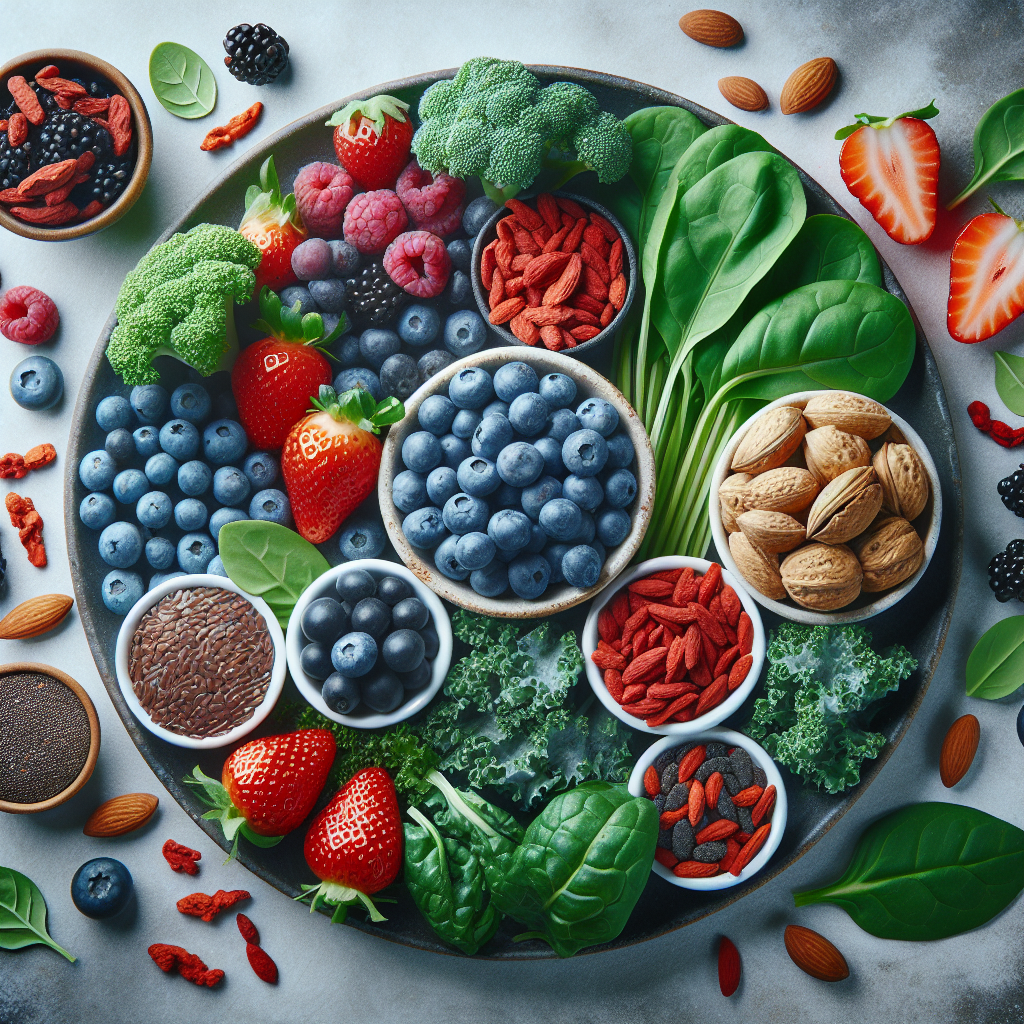
The Organic Diet Guide for Weight Loss provides a comprehensive framework for making informed dietary choices that promote effective weight management. By prioritizing organic foods, individuals can reduce exposure to harmful chemicals, enhance nutrient intake, and support overall health, making weight loss both achievable and sustainable.
Embarking on a weight loss journey can be daunting, especially with the overwhelming diet options available. The Organic Diet Guide for Weight Loss offers a clear and actionable framework that empowers individuals to make healthier food choices while effectively shedding pounds. This approach emphasizes the importance of organic foods, which not only provide essential nutrients but also minimize exposure to harmful pesticides and chemicals commonly found in conventional produce.

==> Click Here for the best Certified Organic Product available - at a huge discount!
Understanding the real stakes of weight loss is crucial. Many people mistakenly believe that simply cutting calories or following fad diets will yield lasting results. However, these methods often lead to frustration and yo-yo dieting. The Organic Diet Guide focuses on sustainable practices, ensuring that readers prioritize whole, organic foods that nourish the body and promote long-term health, rather than quick fixes that ultimately fail.
Why Choose Organic for Weight Loss?
Choosing organic foods can significantly impact weight loss outcomes. Organic produce is grown without synthetic fertilizers or pesticides, often leading to higher nutrient density. This means that when you consume organic foods, you are not only fueling your body with essential vitamins and minerals but also reducing your exposure to harmful substances that can disrupt hormonal balance and overall health.
Moreover, organic foods tend to be fresher, as they are often sourced locally and are free from artificial preservatives. This freshness not only enhances flavor but can also improve satiety, helping to curb cravings and reduce the likelihood of overeating. It is essential to recognize that the quality of what you eat matters just as much as the quantity.
Common Pitfalls in Weight Loss
Many individuals embarking on weight loss journeys fall into common traps that can derail their efforts. One significant pitfall is the misconception that all organic foods are inherently healthy. For instance, organic snacks and processed foods can still be high in calories and sugar, leading to weight gain rather than loss. Understanding this distinction is vital for making informed choices.
Additionally, some may overestimate the effectiveness of calorie restriction without considering the nutritional quality of the food. A diet high in processed, low-nutrient foods—even if calorie-controlled—can lead to deficiencies and hinder weight loss. Prioritizing nutrient-rich organic options is key to avoiding these pitfalls and achieving sustainable results.
Building Your Organic Meal Plan
Creating a successful meal plan centered around organic foods involves strategic planning and preparation. Begin by incorporating a variety of whole foods, such as fruits, vegetables, whole grains, and lean proteins. A balanced plate that includes these elements will not only support weight loss but also provide essential nutrients for overall health.
When planning meals, consider batch cooking and preparing snacks in advance to avoid the temptation of quick, unhealthy options. Focus on seasonal produce to enhance flavor and nutrition while also being budget-conscious. This approach ensures that meals are satisfying and enjoyable, making it easier to stick to your weight loss goals.
Balancing Budget and Quality
One of the most significant concerns for many when transitioning to an organic diet is the cost. While organic foods can be pricier, there are strategies to balance quality with budget. Prioritize purchasing organic versions of the “Dirty Dozen”—fruits and vegetables known to carry higher pesticide residues—while opting for conventional options for the “Clean Fifteen.”
Additionally, consider local farmers’ markets or community-supported agriculture (CSA) programs, which often provide organic produce at lower prices. Bulk buying and seasonal shopping can also help reduce costs while maximizing the benefits of organic eating. By being strategic, you can enjoy the advantages of an organic diet without breaking the bank.
Further Reading
Authoritative Sources
- USDA Organic
usda.govA comprehensive resource on organic certification and standards, helping consumers understand the benefits of choosing organic
- Academy of Nutrition and Dietetics
eatright.orgInsights from nutrition experts on the health benefits of organic foods and their role in a balanced diet
Frequently Asked Questions
What are the main benefits of an organic diet for weight loss?
An organic diet can enhance weight loss by providing nutrient-dense foods that reduce cravings and improve overall health, minimizing exposure to harmful chemicals.

==> Need an Energy Boost? Click Here for the best Organic Product available - at a huge discount!
Can I lose weight by eating only organic processed foods?
No, while organic processed foods may be healthier than conventional ones, they can still be high in calories and sugar, potentially hindering weight loss.
How can I afford organic foods on a budget?
Focus on buying organic for the Dirty Dozen, shop at local markets, and consider bulk purchasing to save money while enjoying organic produce.
Is an organic diet suitable for everyone?
While beneficial for many, individual dietary needs may vary. Consulting with a healthcare provider or nutritionist can help tailor an organic diet to specific health goals.
What should I prioritize when starting an organic diet?
Focus on incorporating a variety of whole foods, planning meals, and understanding the differences between organic and conventional options to make informed choices.
Conclusion
The Organic Diet Guide for Weight Loss emphasizes a practical approach to achieving lasting results. By prioritizing organic foods, avoiding common pitfalls, and strategically planning meals, individuals can create a sustainable path to health and weight management. Remember to balance quality with budget, and focus on the nutritional value of your choices. Start today by making informed decisions that align with your health goals, and watch as your body transforms through the power of organic nutrition.