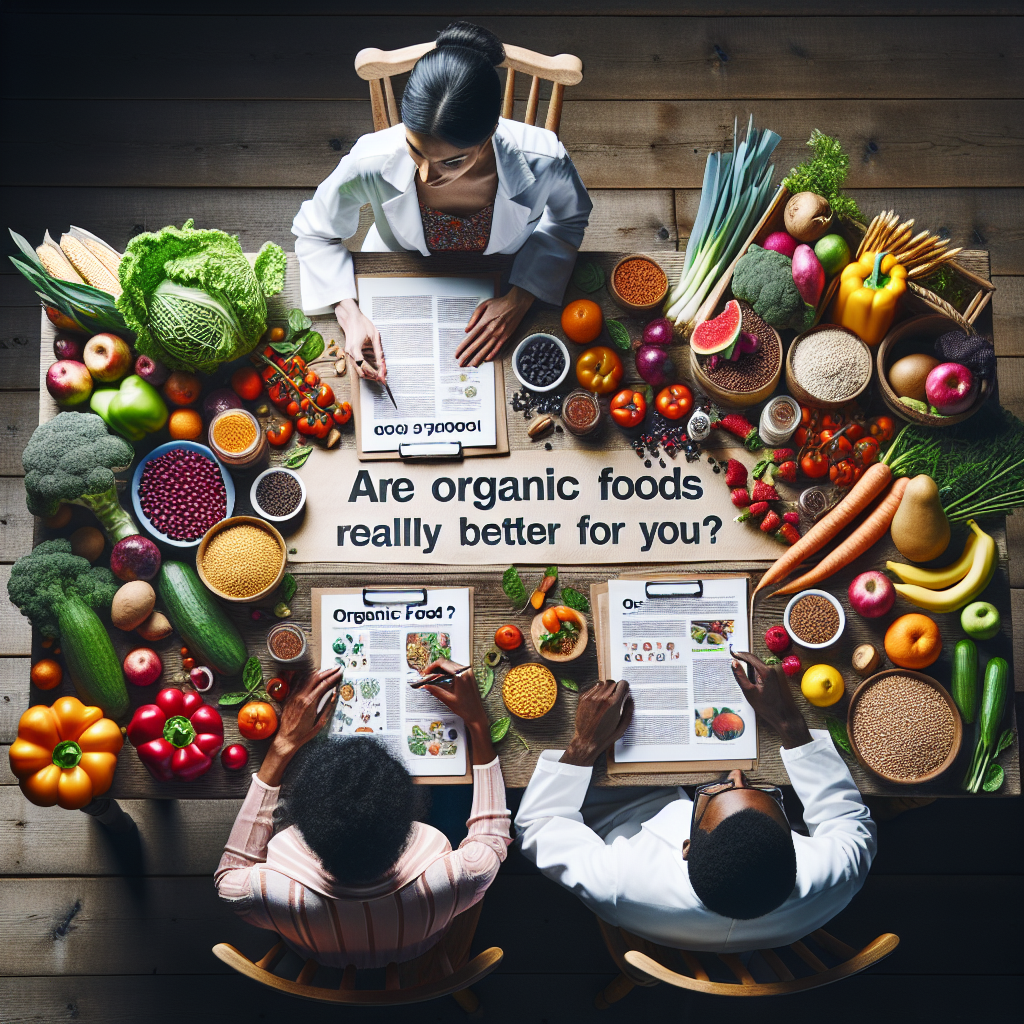
A vegetarian diet for individuals with allergies necessitates a thoughtful approach to food selection, focusing on avoiding allergens while ensuring adequate nutrition. It involves identifying safe sources of protein, carbohydrates, and fats that do not trigger allergic reactions.
Understanding the specific allergies is crucial in navigating a vegetarian diet. For instance, if someone is allergic to soy, they must seek alternative protein sources like legumes or quinoa. Additionally, it is essential to be aware of cross-contamination, especially when dining out or purchasing packaged foods. Reading labels meticulously and asking questions about food preparation can help mitigate risks.
Many individuals mistakenly assume that vegetarian diets are automatically free from allergens. However, many vegetarian-friendly foods can still contain allergens or be processed in facilities that handle them. Therefore, prioritizing whole, unprocessed foods can significantly reduce the risk of allergen exposure while enhancing overall nutritional intake.

==> Click Here for the best Certified Organic Product available - at a huge discount!
Identifying Safe Protein Sources
Safe protein sources for a vegetarian diet include legumes, lentils, chickpeas, and certain grains like quinoa. These options provide essential amino acids without the risk of allergens common in meat and dairy products. It’s crucial to incorporate a variety of these sources to ensure a complete amino acid profile.
While legumes are a staple for vegetarians, those allergic to specific types should explore alternatives like hemp seeds, sunflower seeds, or pumpkin seeds. Combining different protein sources can enhance nutritional intake and help meet dietary needs.
Furthermore, planning meals around these safe protein sources can prevent nutritional deficiencies and ensure a balanced diet. It’s advisable to experiment with different recipes to find meals that are both safe and enjoyable.
Managing Cross-Contamination
Cross-contamination is a significant concern for individuals with allergies. This can occur in kitchens, restaurants, or during food transport. To mitigate this risk, it is essential to maintain separate cooking utensils and surfaces for allergen-free foods.
When dining out, communicating your allergies clearly to restaurant staff can help ensure that your meal is prepared safely. Additionally, choosing restaurants that specialize in allergen-free meals can further reduce risks.
At home, it is beneficial to have a designated area for preparing allergen-free meals. This practice not only helps prevent accidental exposure but also instills confidence in meal preparation.
Understanding Food Labels
Reading food labels is critical for anyone following a vegetarian diet with allergies. Many packaged foods may contain hidden allergens or be processed in facilities that handle allergens.
Look for specific allergen warnings on labels, such as ‘may contain’ or ‘processed in a facility that processes nuts.’ Understanding these labels can help make informed choices and avoid potential allergic reactions.
Additionally, familiarizing yourself with common names for allergens can aid in thorough label reading. For instance, knowing that whey is a dairy product can help those with dairy allergies avoid it effectively.
Common Mistakes to Avoid
A common mistake among vegetarians with allergies is assuming all plant-based foods are safe. Many vegetarian alternatives can still contain allergens, such as dairy in cheese substitutes or nuts in protein bars.
Another frequent pitfall is neglecting to check ingredient lists, especially for processed foods. This oversight can lead to unintentional allergen exposure. Always prioritize whole foods and prepare meals from scratch when possible to maintain control over ingredients.
Lastly, failing to consult with a nutritionist can hinder the ability to maintain a balanced diet. Professional guidance can help tailor dietary choices to meet individual health needs while avoiding allergens.

==> Need an Energy Boost? Click Here for the best Organic Product available - at a huge discount!
Further Reading
Authoritative Sources
- Food Allergy Research & Education (FARE)
foodallergy.orgThis resource provides comprehensive information on food allergies and dietary management
- Academy of Nutrition and Dietetics
eatright.orgOffers insights on nutrition and dietary practices for individuals with food allergies
- Vegetarian Times
vegetariantimes.comA magazine that features a variety of vegetarian recipes and dietary tips
Frequently Asked Questions
What are the best protein sources for vegetarians with allergies?
Safe protein sources include legumes, lentils, chickpeas, quinoa, and seeds like hemp and sunflower.
How can I prevent cross-contamination in my kitchen?
Use separate utensils and cooking surfaces for allergen-free meals and clearly label storage containers.
What should I look for on food labels?
Check for specific allergen warnings and hidden ingredient names related to your allergies.
Are all vegetarian products safe for those with allergies?
No, many vegetarian products can still contain allergens; always read labels carefully.
Should I consult a nutritionist if I have allergies?
Yes, a nutritionist can help create a balanced diet that avoids allergens and meets nutritional needs.
Conclusion
Navigating a vegetarian diet with allergies requires careful planning and informed choices. By identifying safe protein sources, managing cross-contamination, and understanding food labels, individuals can maintain a nutritious diet while avoiding allergens. Consulting with a nutritionist can further enhance dietary management, ensuring that all nutritional needs are met without compromising safety. Prioritizing whole foods, being vigilant about labels, and avoiding common pitfalls are essential steps to a successful vegetarian lifestyle for those with allergies.

Related Content
- The Top Organic Foods for Boosting Heart Health
- How to Use Organic Foods for Natural Detoxification
- Transform Your Life with Whole Food Organic Nutrition Solutions: A Path to Lasting Wellness
- Whole Food Fruit and Veggie Blends: The Ultimate Solution for Nutrient-Dense Living
- How Organic Eating Supports Cardiovascular Wellness: Key Foods and Nutritional Approaches